
Lieferung heute & morgen

Qualitätsgarantie

Willkommens-Angebote freischalten: KOSTENLOSE Lieferung | Bis zu 80 % RABATT | Kostenlose 30-Tage-JoyPlus-Testphase
App herunterladen
A face cream for sensitive skin should provide moisture without introducing an unnecessary number of irritating factors into your daily skincare routine. However, product descriptions often use terms such as “soothing”, “barrier protection” or “anti-ageing” without explaining the specific benefits clearly enough. If you buy based solely on marketing claims, you may end up paying for an unsuitable texture, fragrances or an overloaded combination of active ingredients.
A fragrance-free face cream can be a sensible choice for sensitive skin. However, it is not automatically suitable for everyone. Preservatives, plant extracts, essential ingredients or certain oils may also cause problems for some individuals.
That is why it is important to check the complete INCI list on the packaging. Terms such as “natural”, “clean” or “minimalist” are no substitute for checking the specific ingredients.
A very rich cream can feel pleasant on dry skin, but may sit heavily on combination or blemish-prone skin. A lightweight gel cream, on the other hand, may be more comfortable for everyday use, while potentially not providing enough moisture for pronounced dryness.
The right face moisturiser therefore depends on your skin type, the season, the climate and the way you prefer your skin to feel. In winter in Germany, a richer moisturiser may be more suitable than in summer or underneath make-up.
An anti-ageing face cream containing retinol, bakuchiol, niacinamide or vitamin C derivatives has different skincare aims from a simple moisturiser. More active ingredients do not automatically make a product a better choice for sensitive skin. For reactive skin, a straightforward routine with products introduced gradually is often more practical.
Cosmetic products should also not create therapeutic expectations. If redness, itching, swelling or inflammatory skin changes persist, it is advisable to seek dermatological advice.
For everyday hydration, glycerine, hyaluronic acid, urea, squalane and certain lipids are among the relevant ingredients. Ceramides, cholesterol and phytosphingosine are often used in formulations designed to support the skin barrier.
A face cream for sensitive skin should ideally match your individual skincare needs:
When choosing a fragrance-free face cream, check not only the front of the packaging but also the INCI list. “Parfum”, “Fragrance” and fragrance ingredients that must be declared, such as linalool or limonene, are important points to check for anyone with a known sensitivity.
The label “non-comedogenic” describes a product characteristic based on information provided by the relevant brand or retailer. It does not mean that blemishes are ruled out for all users.
A 500-ml pump bottle is suitable for the face and body and may be more economical for daily use. A 30- or 50-ml tube, on the other hand, is easier to take travelling or use for targeted facial care. With products in a jar, make sure that the product is removed hygienically.
For your routine: after cleansing, apply an appropriate amount to slightly damp skin. In the morning, apply sun protection in daylight. Especially if you have sensitive skin, test new products on a small area first.
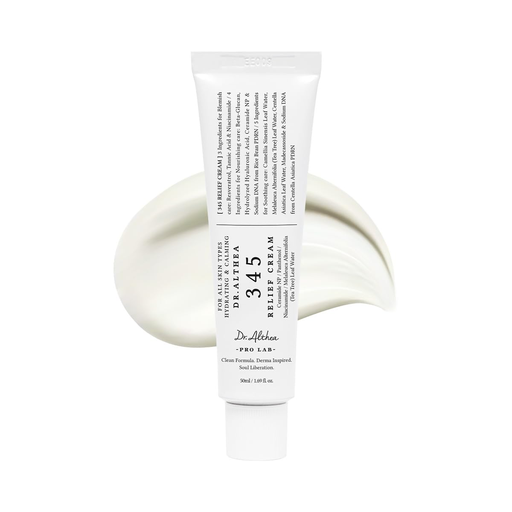
Why this product suits this profile: This lightweight Korean gel cream is described as suitable for sensitive, reddened, combination and blemish-prone skin. It can be used morning and evening as the final step in your skincare routine.
The described formula focuses on a lightweight texture together with panthenol, Centella-related ingredients, hyaluronic acid and ceramides. According to the product information, it contains no artificial fragrances and has been tested as non-comedogenic.
Lightweight gel cream, 50 ml, with niacinamide, sodium hyaluronate and Ceramide NP.
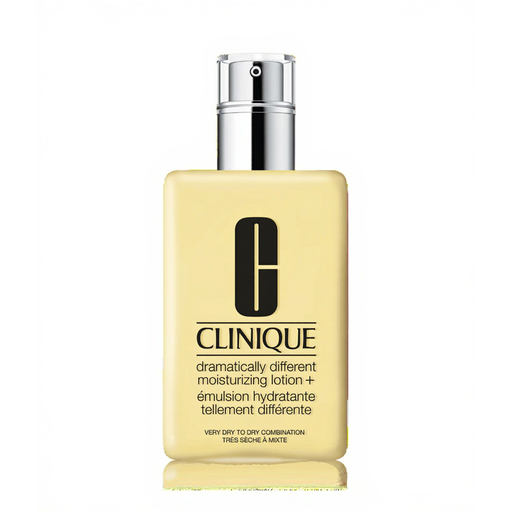
Why this product suits this profile: This lotion is intended for very dry to dry combination skin and is described as fragrance-free, non-comedogenic, and dermatologically and allergy tested.
The product description explicitly states that it is fragrance-free. However, the INCI list should still be checked, as it contains, among other ingredients, lanolin alcohol, sesame oil and colourants.
125-ml pump bottle with glycerine, urea, mineral oil, petrolatum and sodium hyaluronate.
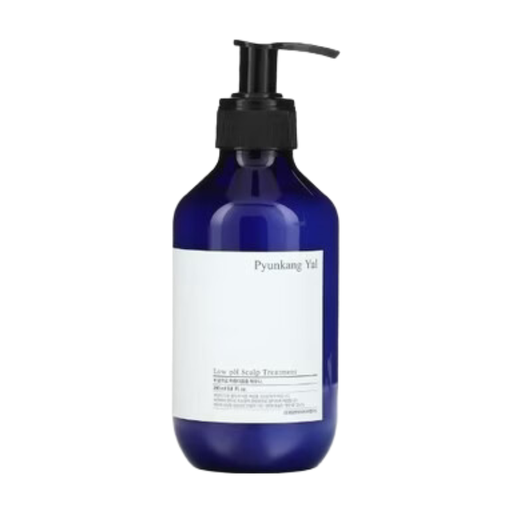
Why this product suits this profile: The large pump bottle is intended for the face and body, making it suitable for households that prefer straightforward skincare with regular usage.
The formula contains several ceramides, glycerine and sodium hyaluronate. The product information does not list any added fragrances; the current packaging information remains decisive, however.
500 ml capacity, suitable for the face and body, with Ceramides NP, NS, AS, EOP and AP listed in the INCI list.
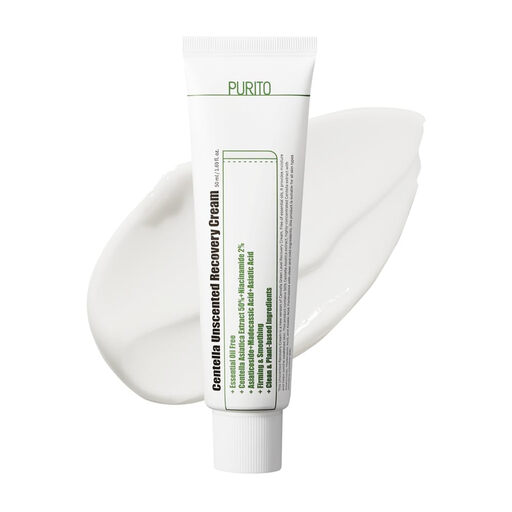
Why this product suits this profile: This Korean face cream is described as suitable for combination skin and combines lightweight care with Centella, niacinamide, Ceramide NP and squalane.
The formula is labelled “Unscented” and contains no declared parfum component. Before buying, check the product packaging for any recent changes to the formula.
50 ml, fragrance-free formulation, plus Centella Asiatica, niacinamide, Ceramide NP, squalane and sodium hyaluronate.
We have put together a complete, regularly updated list of products that fully meet these strict selection criteria and the safety regulations applicable in the EU.
A face cream is usually applied to the face and neck after cleansing. If your skin is dry, applying a second thin layer may be helpful; with combination skin, a smaller amount is often enough for the dry areas. Retinol products should be introduced into your routine gradually, following the manufacturer’s instructions, and combined with sun protection during the day.
The use-by date and the symbol indicating the product’s shelf life after opening can be found on the packaging. Heat, direct sunlight and frequent opening can affect product quality. Pump bottles generally protect the contents better from repeated contact during everyday use than jars, but they do not replace following the manufacturer’s instructions.
A formula containing humectants such as glycerine or hyaluronic acid is a sensible choice, together with nourishing, lipid-replenishing ingredients depending on the degree of dryness. If you do not tolerate fragrances well, choose a fragrance-free option and check the INCI list. Testing a small area before regular use can help you assess how well your skin tolerates the product.
Many products are intended for use morning and evening. The appropriate amount depends on the texture, the condition of your skin and the other steps in your skincare routine. Applying moisturiser to slightly damp skin after cleansing usually makes it easier to spread evenly. Stop using the product if you experience burning, swelling or persistent redness.
The printed best-before date and the PAO symbol, such as “12M”, are the key points of reference. If the smell, colour or consistency changes, stop using the product. With sensitive skin, hygienic application is also important.