
Lieferung heute & morgen

Qualitätsgarantie

Willkommens-Angebote freischalten: KOSTENLOSE Lieferung | Bis zu 80 % RABATT | Kostenlose 30-Tage-JoyPlus-Testphase
App herunterladen
A face cream for spots should deliver moisture without overburdening the skin. At the same time, many people are looking for a product that visually calms redness, reduces shine and fits easily into a simple morning and evening routine. However, the choice can be overwhelming: terms like "acne cream", "cica" or "non-comedogenic" sound clear enough, but on their own they don't tell you much about whether a product is actually suitable for you.
As a Joybuy Product Recommendation Officer, I therefore focus on verifiable information about ingredients, texture, application and skin type – not on marketing promises.
An oil-free moisturiser can feel pleasant for oily or blemish-prone skin. But that doesn't mean it doesn't need hydration. If you strip back your skincare routine too much or rely solely on drying products, your skin can feel uncomfortably tight. That's why humectants such as glycerin, panthenol, betaine or hyaluronic acid are also crucial.
Niacinamide, salicylic acid, tea tree oil, centella or snail mucin are often highlighted. However, tolerance depends on the overall formulation, the concentration and your individual skin. A soothing face cream with fragrances or essential oils may be less suitable for sensitive skin than a simply formulated cream.
The label non-comedogenic face cream can help with pre-selection. It should ideally be explicitly stated on the product page or packaging. It's also worth checking the full INCI list. Even then, individual reactions can't be reliably predicted. If you have sensitive skin, a patch test on a small area is recommended.
A gel-cream or lotion usually absorbs faster than a very rich cream. For a moisturiser for oily skin, descriptions like "lightweight", "oil-free" or "non-sticky" are practical pointers. They describe the skin feel, but don't replace an individual tolerance check.
Cosmetic care can support the appearance of your skin, but it does not replace dermatological advice for severe, painful or persistent acne.
If you're looking for a face cream for sensitive skin, check the INCI list for "Parfum" and essential oils. Some products in the selection are described as fragrance-free or without added fragrance, while others contain fragrances, tea tree oil or natural oils. "Natural" does not automatically mean non-irritating.
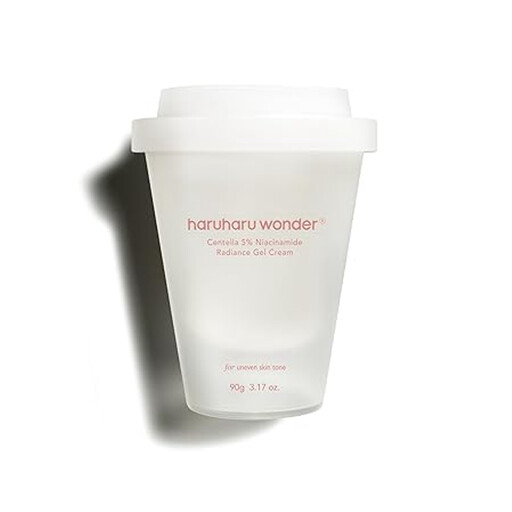
Why this product fits the profile: According to the product details, the gel-cream combines 5% niacinamide, centella asiatica leaf water, panthenol and squalane. The formulation is described as being without added fragrance.
The specific concentration details make it easier to assess than a purely promotional ingredient name.
90 g content, gel-cream texture, plus niacinamide and centella components.
We've put together a full, regularly updated list of products that fully meet these strict selection criteria and the safety regulations in force in the EU.
Apply the cream after cleansing to dry or slightly damp skin. If it contains active acid components, start with a lower frequency of use and combine it with a sunscreen in the morning. Don't introduce new products at the same time as several other active-ingredient products. This makes it easier to identify which product is affecting your skin.
If you experience burning, swelling, severe itching or persistent redness, stop using the product. The instructions on the packaging and product page take priority, as formulations can change.
A light lotion or gel-cream with glycerin, panthenol or hyaluronic acid can be a good starting point. Descriptions like "oil-free" or "non-comedogenic" may also be relevant. The specific INCI list and your individual skin feel remain the deciding factors.
That depends on the active ingredients it contains and the manufacturer's instructions. Products with salicylic acid or similar acid components can cause irritation if used too frequently. A simple moisturiser without strong acid components is often easier to incorporate into a daily routine.
The best-before date and the PAO symbol on the packaging are what matter – for example, "12M" for twelve months after opening. The tube or jar should be kept tightly closed, stored in a cool place and protected from direct sunlight.