
Lieferung heute & morgen

Qualitätsgarantie

Willkommens-Angebote freischalten: KOSTENLOSE Lieferung | Bis zu 80 % RABATT | Kostenlose 30-Tage-JoyPlus-Testphase
App herunterladen
A face cream should deliver hydration, feel pleasant to apply and suit your skin. Yet eye-catching ingredient claims and unclear product information often lead to the wrong purchase. Particularly for dry, sensitive or mature skin, it pays to look more closely before you buy.
Terms like “PDRN”, “collagen”, “retinol” or “hyaluronic acid” alone tell you little about whether a formulation is right for you. What really matters are the concentration, the ingredient’s position on the INCI list and the overall composition.
A PDRN cream, for example, may also contain humectants and soothing ingredients. That doesn’t automatically make it the right choice for every skin type. With a retinol cream, on the other hand, frequency of use, sun protection and gradual acclimatisation are especially important.
Even a moisturiser described as versatile can contain fragrances, essential oils or rich oils. For sensitive skin, you should therefore check the INCI list for parfum, declared fragrance allergens and potentially irritating plant extracts.
An unscented face cream for sensitive skin is often the clearer choice. Still, the label is no substitute for an individual tolerance test.
A heavy cream isn’t automatically an intensive moisturiser. For dry skin, ingredients like glycerin, hyaluronic acid, panthenol and ceramides can be beneficial. Additionally, lipids such as squalane, shea butter or certain plant oils help keep the skin’s surface supple.
For combination skin, on the other hand, a very rich barrier-protection cream can feel uncomfortable in the T-zone. A light face cream or a duo with different textures can be more practical here.
Ceramide cream: Ceramides are skin-identical lipids and are often used in formulations aimed at maintaining the skin barrier.
Hyaluronic acid cream: Hyaluronic acid is used in different molecular sizes and primarily serves as a moisture-binding ingredient. A cream with multiple forms may be indicated as such on the INCI list.
Retinol cream: Retinol should be introduced gradually into your evening routine. A low concentration of 0.1% retinol is stated by as a starting point. During the day, appropriate sun protection is essential. Retinol products should not be combined indiscriminately with several potentially irritating ingredients.
PDRN cream: PDRN, or Sodium DNA, is found in some Korean formulations. The product description should clearly state which additional ingredients are intended for hydration and skin comfort.
Before buying, check the fill size, shelf life, storage instructions and the full ingredients list on the packaging. Small pots of 20 ml can be useful for an active-ingredient treatment, while 60 to 100 ml often lasts longer for daily use. For retinol, light- and air-protected packaging is particularly important.
New products should first be tested on a small area of skin. If redness, burning, itching or swelling persists, stop using the product and seek medical advice if necessary.
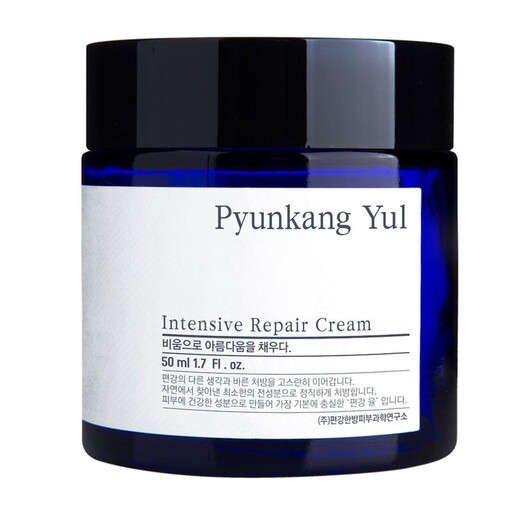
Why this product fits the profile: This cream is designed for dry skin and combines ceramides, shea butter, macadamia oil and glycerin. The stated light texture may appeal to beginners looking for a nourishing face cream without a heavy, sticky feel.
The composition names specific lipids and humectants rather than relying solely on general care promises. Fragrance is not listed among the stated ingredients.
50 ml content; Ceramide NP, glycerin and nourishing oils in a cream formulation.
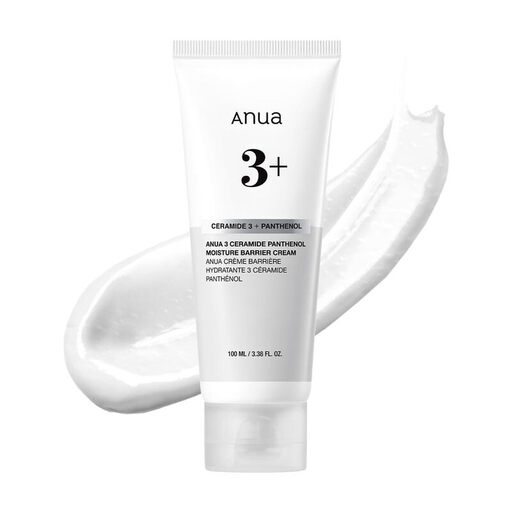
Why this product fits the profile: This Korean face cream is described as a light, fast-absorbing daily moisturiser and contains panthenol, centella and three stated ceramide types on the ingredients list.
The product details state the fill size, usage, skin types and a comprehensive INCI list. This makes it easier to match the formulation with your own requirements before buying.
100 ml content; panthenol, centella, hyaluronic acid and Ceramides NP, AP and EOP according to product information.
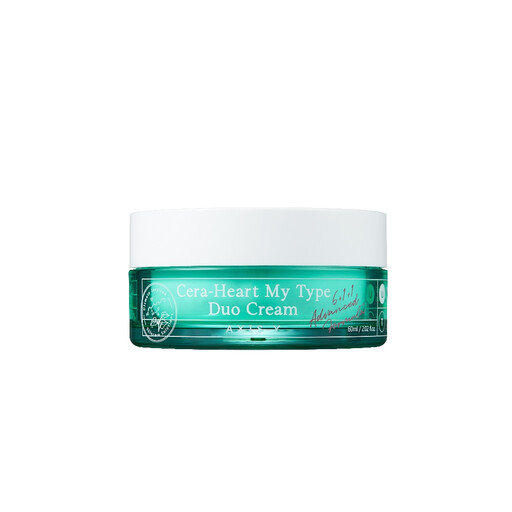
Why this product fits the profile: This duo contains a light T-zone cream with heartleaf and a richer U-zone cream with Ceramide NP. The two textures can be used separately or mixed together.
The formulation doesn’t force a single richness level for the whole face. The T-zone and drier areas can be cared for separately.
Two separate 30 ml textures; Ceramide NP in the U-zone cream and heartleaf extract in the T-zone cream.
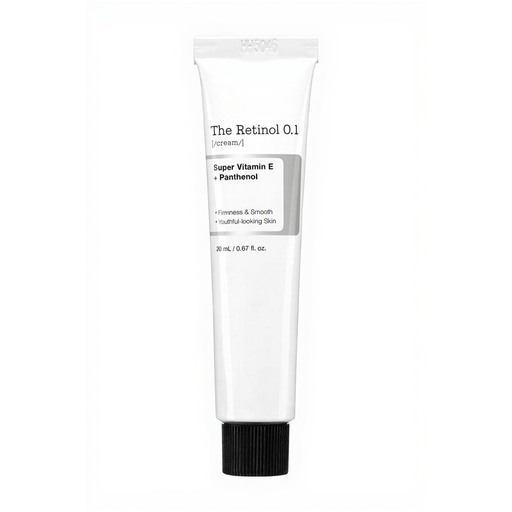
Why this product fits the profile: The stated retinol concentration of 0.1% and the gradual application make this product an option for those who want to introduce retinol slowly into their evening routine.
The concentration and the recommended starting rhythm are clearly stated. This helps you avoid beginning with an unclear dosage of retinol treatment.
0.1% retinol; panthenol, adenosine and several forms of hyaluronic acid according to the stated INCI list.
We’ve put together a complete, regularly updated list of products that fully meet these strict selection criteria and the safety regulations in force in the EU.
For dry skin, formulations with glycerin, hyaluronic acid, ceramides, panthenol, shea butter or squalane are worth considering. The texture should be pleasantly nourishing without feeling permanently sticky. For very dry areas, a thin second layer can be beneficial.
A classic moisturiser can usually be used morning and evening after cleansing. With a retinol cream, however, application should be increased slowly according to the manufacturer’s instructions. During the day, appropriate sun protection should also be part of your routine when using retinol.
The PAO symbol, the expiry date and the instructions on the packaging are what matter. Changes in smell, colour or consistency can indicate that the product quality is no longer optimal. Pots and tubes should be closed tightly after each use and protected from heat and direct sunlight.