
Lieferung heute & morgen

Qualitätsgarantie

Willkommens-Angebote freischalten: KOSTENLOSE Lieferung | Bis zu 80 % RABATT | Kostenlose 30-Tage-JoyPlus-Testphase
App herunterladen
A face cream should deliver moisture, feel comfortable and suit your personal skincare routine. Yet the vast choice can quickly lead to the wrong purchase. Terms like “glow”, “barrier protection” or “anti-ageing” don’t automatically tell you whether a formulation is suitable for dry, sensitive or blemished skin.
Niacinamide, hyaluronic acid, ceramides or acids such as salicylic acid and glycolic acid can all be beneficial in a face cream. However, their effectiveness depends on the overall formula, the concentration and your individual skin tolerance. A niacinamide cream is therefore not automatically equally suitable for every skin type.
Likewise, terms like “plumping”, “clarifying” or “rejuvenating” shouldn’t be taken at face value. For a well-informed choice, the full INCI list, usage instructions and warnings are more important than flashy marketing claims.
A rich cream can feel lovely on dry skin, but may feel heavy on oily or blemished skin. A light gel-cream can fit easily into a daily routine for combination skin, but may not be enough for pronounced dryness.
Key ingredients to look for include glycerin, hyaluronic acid, squalane, oils, shea butter and ceramides. Remember: more ingredients don’t automatically mean better skincare.
A face cream for sensitive skin should be chosen as carefully as possible. Fragrances, essential oils, alcohol or exfoliating acids can be undesirable for sensitive skin. That doesn’t mean every one of these ingredients is inherently problematic. However, before buying, it’s worth checking the ingredients list and doing a patch test on a small area of skin.
If you experience persistent redness, swelling, severe stinging or a rash, stop using the product and seek medical advice if necessary.
Ingredients are listed in descending order. The first few positions give a rough indication of the formula’s base. A hyaluronic acid cream may, for example, contain several forms of hyaluronic acid. That alone, however, doesn’t prove any specific cosmetic effect.
For barrier protection, ingredients such as ceramides, cholesterol, fatty acids and skin-nourishing lipids are relevant. A barrier protection cream should also suit your personal tolerance and desired texture.
A face cream is usually applied after cleansing and lighter skincare products. In the morning, sun protection should follow as part of your routine. For active ingredients like AHA or BHA, be sure to follow the relevant warnings.
Jars allow for easy removal, whereas tubes reduce direct contact with the product. Always check the expiry date, batch number and instructions on the packaging before use. Manufacturer details may vary depending on the product batch.
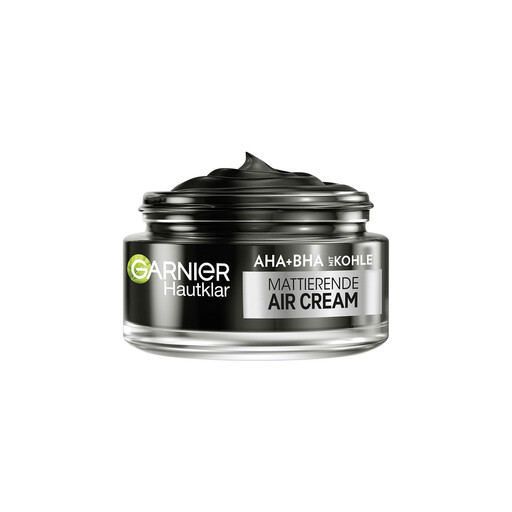
Why this product suits the profile: The light gel texture appeals to buyers looking for straightforward facial skincare with niacinamide and salicylic acid.
The product description specifically names the active ingredients and the gel texture, rather than relying on a vague glow promise.
Niacinamide, salicylic acid and glycerin; according to the product claim, up to 48 hours of moisture.
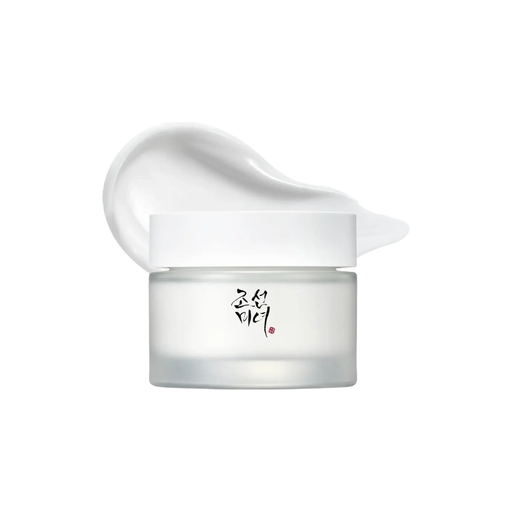
Why this product suits the profile: This Korean face cream combines a creamy yet reportedly light texture with several nourishing ingredients.
The composition lists, among other things, niacinamide, squalane, ceramide NP and several forms of hyaluronic acid.
Rice bran water, ginseng root water, honey extract and ceramide NP; available in a 50ml size.
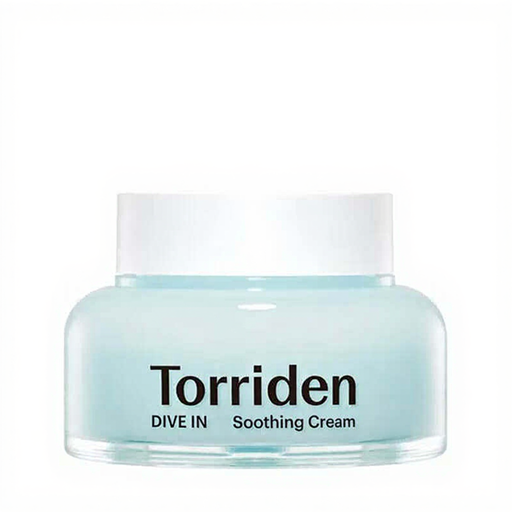
Why this product suits the profile: The 100ml size and its light, hydration-focused approach suit regular daily use.
The product details mention five forms of hyaluronic acid as well as allantoin and panthenol; the choice is therefore based on verifiable ingredients.
100ml content, gel-cream character and a formula focused on hydration and a pleasant skin feel.
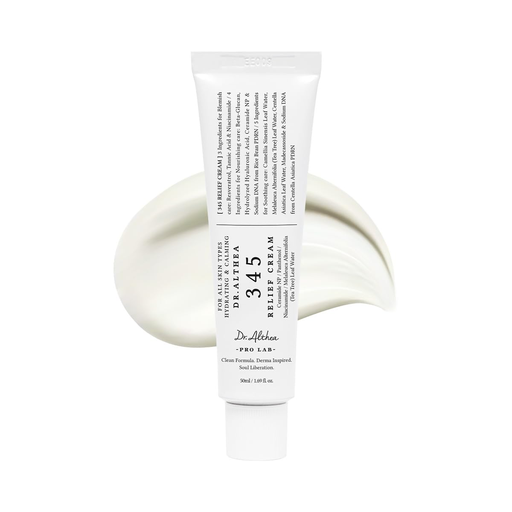
Why this product suits the profile: The light gel-cream appeals to those seeking hydration without a heavy finish.
The product description specifically lists the formula ingredients, the light texture and patch test advice.
Niacinamide, panthenol, centella components, ceramide NP and sodium hyaluronate according to the product details.
We’ve put together a full, regularly updated list of products that fully meet these strict selection criteria and the safety regulations in force in the EU.
For dry skin, creamy formulations with glycerin, hyaluronic acid, squalane, ceramides or nourishing oils are worth considering. Apply the cream to slightly damp skin after cleansing. For very dry areas, a richer layer may be beneficial. Individual tolerance remains key.
Most products can be used morning and evening, unless the packaging states otherwise. New active ingredients like AHA, BHA or highly concentrated vitamin C formulations should initially be used less frequently. In the morning, it’s also advisable to use a sunscreen with a suitable SPF.
The specific best-before or use-by date is printed on the packaging. After opening, the symbol for the period after opening is also relevant. If the smell, colour or consistency changes noticeably, stop using the product. Store the cream in a dry, cool place away from direct sunlight.