
Lieferung heute & morgen

Qualitätsgarantie

Willkommens-Angebote freischalten: KOSTENLOSE Lieferung | Bis zu 80 % RABATT | Kostenlose 30-Tage-JoyPlus-Testphase
App herunterladen
The search for the right face cream can quickly feel like an overwhelming task. The market is flooded with products promising instant results, yet vague advertising claims and complex ingredient lists often lead to poor purchases. As your Joybuy Product Recommendation Officer, I'll help you understand the essential criteria so you can make an informed decision based on your skin's actual needs.
Before we turn to solutions, it's important to recognise the most common marketing traps that often lead to unsatisfying results.
To find the right cream, focus on objective criteria instead of marketing promises. These three parameters are crucial.
The International Nomenclature of Cosmetic Ingredients (INCI) lists all of a product's components in descending order of concentration. The first five to seven ingredients usually form the base of the formulation.
Your skin type (dry, oily, combination, normal) is genetically determined and relatively constant. However, your skin condition (dehydrated, sensitive, blemish-prone, mature) can change due to external factors like weather, stress, or diet. A good skincare routine considers both. For example, oily skin can also be dehydrated and will need a lightweight, oil-free moisturiser rather than being dried out. A cream for dry skin should be rich in lipids, while a cream for sensitive skin should be free of potentially irritating fragrances.
The texture of a cream is crucial for how it feels on the skin and its suitability for your skin type. Lightweight gels or fluids are well-suited for oily skin, while rich creams or balms are ideal for dry skin. Regardless of skin type, daily sun protection is essential to prevent premature skin ageing and cell damage. A day cream with integrated sun protection or a separate facial sunscreen with at least SPF 30 is a fundamental part of any skincare routine.
Here are some product suggestions tailored to different needs and skin goals.
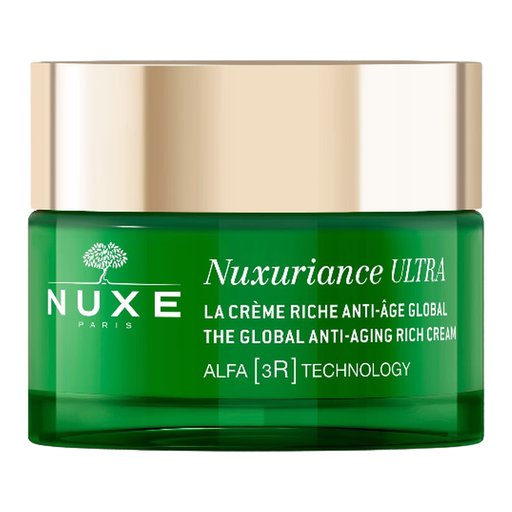
Why this product is a good fit: This cream is designed for users seeking a comprehensive anti-ageing cream. It aims to regenerate, smooth, and restore firmness to the skin, making it an excellent choice for the daily care of mature skin.
Instead of relying on a single active ingredient, the ALFA-[3R] technology, according to the manufacturer, combines Alfalfa extract, Hyaluronic Acid, and Daylily extract for a multi-dimensional approach.
The formulation targets comprehensive regeneration and is suitable for all skin types seeking a firming and smoothing effect.
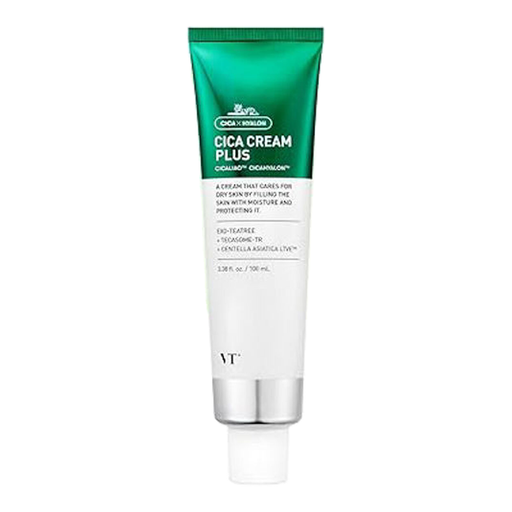
Why this product is a good fit: This Cica Cream is specifically designed for soothing and hydrating sensitive skin. It is ideal for reducing the redness and irritation common in sensitive, acne-prone, or irritated skin.
Instead of being a vague 'for all skin types' solution, this cream specifically targets the needs of sensitive skin. Its lightweight texture dispels the myth that soothing care must always be heavy.
The formulation with Centella Asiatica is known for its skin-soothing and barrier-supporting properties. The lightweight texture absorbs quickly without leaving a greasy film.
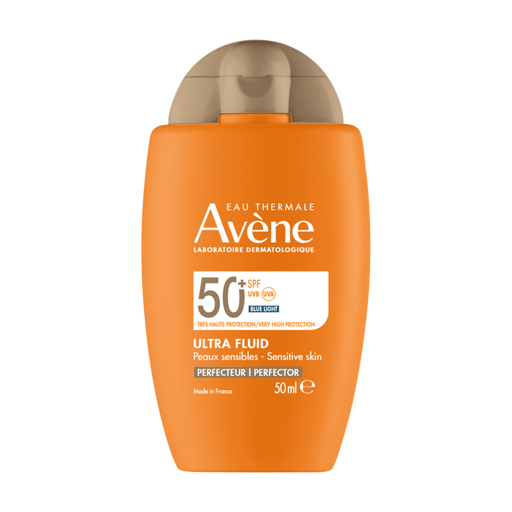
Why this product is a good fit: This product combines a very high protection facial sunscreen with SPF 50+ and a lightly tinted, balancing treatment. It is ideal for daily use to protect the skin from UV rays and blue light while subtly perfecting the complexion.
It directly addresses the often-neglected necessity of daily sun protection, which is missing from many standard day creams. It is a protection product, not just a moisturiser.
Offers very high broad-spectrum protection (UVA, UVB, HEV blue light) in an ultra-light fluid texture, specially developed for sensitive skin and suitable as a makeup base.
We have compiled a complete, up-to-date list of products that fully meet these strict selection criteria and safety regulations.
1. How often should I change my face cream? A change isn't required on a fixed schedule but should be based on your skin's needs. It makes sense to adapt to seasonal changes (e.g., a richer cream in winter, a lighter one in summer) or if your skin condition changes (e.g., due to sudden dryness or breakouts). As long as a product works well for your skin, there is no reason to switch.
2. Can I use a night cream during the day? This is generally not recommended. A night cream is typically richer and formulated for regeneration, without containing a sun protection factor. When applied during the day, it can feel heavy, clog pores, and make the skin look shiny. Most importantly, it lacks the essential sun protection that a good day cream or a separate facial sunscreen should provide.
3. What is the difference between a moisturiser and an anti-ageing cream? A facial moisturiser has the primary goal of hydrating the skin and strengthening its moisture barrier, often with ingredients like hyaluronic acid cream or glycerin. An anti-ageing cream also provides moisture but additionally contains active ingredients like retinoids, peptides, or antioxidants that specifically target signs of ageing such as wrinkles, loss of firmness, and uneven skin tone. Many modern formulations combine both functions.