
Lieferung heute & morgen

Qualitätsgarantie

Willkommens-Angebote freischalten: KOSTENLOSE Lieferung | Bis zu 80 % RABATT | Kostenlose 30-Tage-JoyPlus-Testphase
App herunterladen
A face cream should provide moisture, feel comfortable and suit your skin. Yet bold promises, appealing ingredient names and unclear product information often lead to disappointing purchases. If you are looking for a moisturiser for your face, a face cream for sensitive skin or a cream for dry skin, you should therefore look beyond the brand name or packaging.
As a Joybuy Product Recommendation Officer, I filter the most important selection criteria from the product information and match them to specific everyday situations.
Names such as hyaluronic acid, PDRN, niacinamide or retinol initially describe ingredients only. They are not proof that every skin type will react in the same way or that a particular effect is guaranteed. For example, a hyaluronic acid cream may be especially appealing if your skin feels dry, while a retinol cream requires careful, gradual use.
A rich cream may feel comfortable on dry skin but seem too heavy on oily or blemish-prone skin. Conversely, a lightweight gel cream may not be enough in winter or for very dry skin. The key factors are texture, oil phase, fragrances and personal tolerance.
A baby cream may be designed for sensitive skin, but that does not automatically make it a suitable daily face cream for adults. A nappy rash cream containing zinc oxide, on the other hand, is intended to protect areas of stressed skin and usually has a noticeably more covering texture. Check the intended area of use before buying.
Read the ingredients list on the packaging, as formulations can change. For sensitive skin, parfum, menthol, essential oils and certain fragrance allergens are particularly relevant. A Korean face cream may offer innovative textures or ingredient combinations, but it should be assessed according to the same criteria as any other skincare product.
A 40 or 50 ml jar is practical for facial skincare and testing a new formula. Larger packs, such as 450 g, may be suitable for frequent users or several dry areas of skin. With retinol products, it is important to introduce them gradually; during the day, you should also use sun protection. For babies and children, follow the information on the packaging and the intended area of the body.
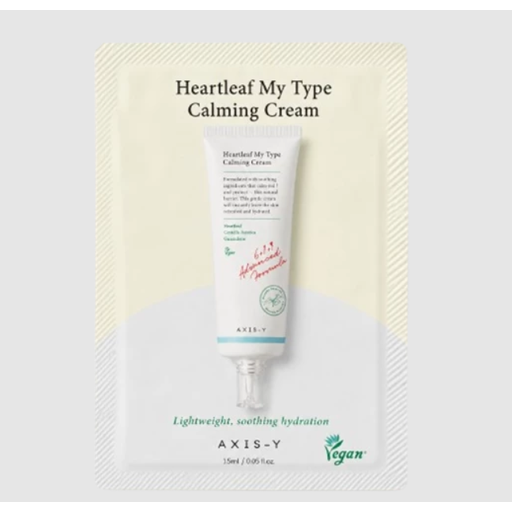
Why this product suits the profile: The small sample size is ideal for shoppers who want to introduce a lightweight Korean face cream into their skincare routine first.
The product size limits the risk of buying a large pack with an unsuitable texture. Check the current packaging information before use.
Lightweight gel cream with Heartleaf, Centella and hyaluronic acid according to the product description; contents: 1,5 ml.
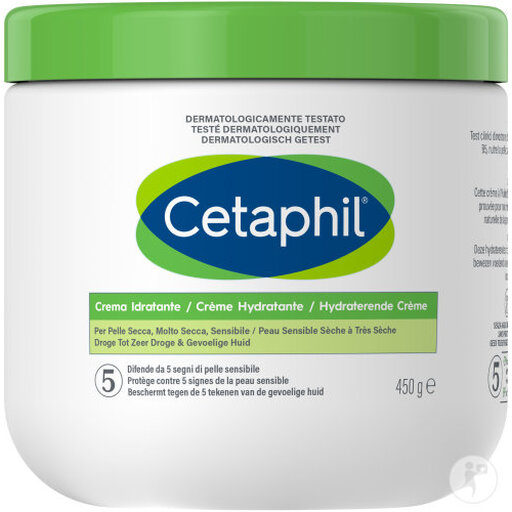
Why this product suits the profile: The large pack is appealing for regular care of dry and sensitive skin, as well as for several family members.
The product description states that it has a fragrance-free, non-comedogenic formula. Nevertheless, people with oily skin should assess the rich texture individually.
Glycerin, panthenol, niacinamide, almond oil and sunflower oil; according to the product information, suitable for dry and sensitive skin.
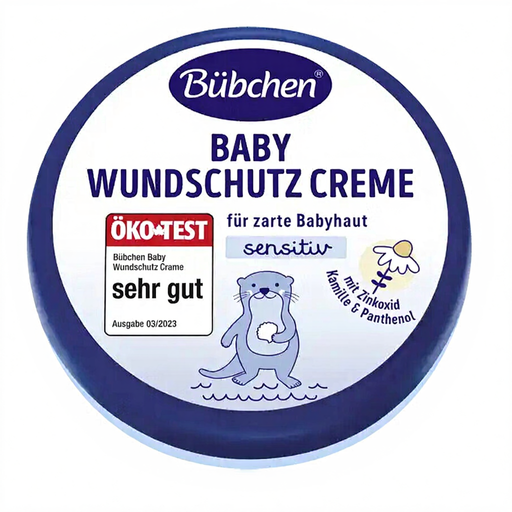
Why this product suits the profile: For families who need a targeted nappy rash cream for the nappy area, rather than an everyday face cream.
Its clearly defined purpose prevents a protective cream containing zinc oxide from being mistakenly treated as a lightweight face cream.
Zinc oxide, panthenol and chamomile extract according to the product information; 150 ml contents and intended for the nappy area.
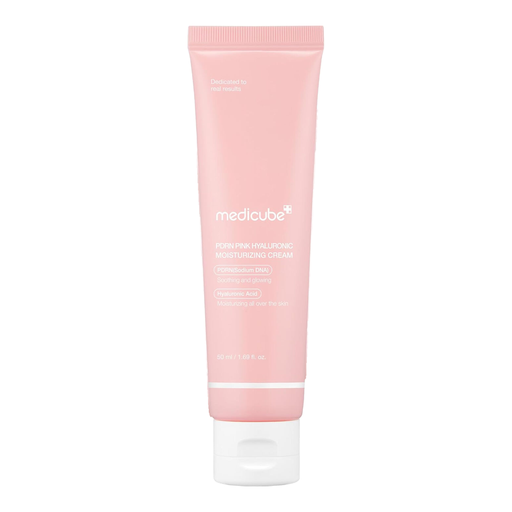
Why this product suits the profile: If you are looking for a Korean face cream with PDRN, hyaluronic acid and a lighter texture, this product offers a clearly declared selection of active ingredients.
Here, PDRN is treated as an ingredient, not a promise of results. The final INCI list on the packaging is the decisive reference for comparison.
According to the product information, contains PDRN, hyaluronic acid, niacinamide, adenosine and ceramide NP; 50 ml contents.
We have put together a complete, regularly updated list of products that fully meet these strict selection criteria and the safety regulations applicable in the EU.
For dry skin, richer formulas containing glycerin, panthenol, hyaluronic acid, squalane, oils or ceramides may be suitable. What matters is whether the cream feels comfortable and does not leave your skin feeling tight. If skin problems persist, seek medical advice.
The open-jar symbol, packaging information and, where applicable, the printed best-before date are the key references. Smell, colour and consistency can provide additional clues. Store products in a cool, dry place away from direct sunlight.
The price depends on factors including the ingredients, pack size, brand and packaging. Compare the price per 10 or 100 ml, and check whether the texture, intended area of use and formulation are genuinely suitable for your skin type.