
Lieferung heute & morgen

Qualitätsgarantie

Willkommens-Angebote freischalten: KOSTENLOSE Lieferung | Bis zu 80 % RABATT | Kostenlose 30-Tage-JoyPlus-Testphase
App herunterladen
A face cream should hydrate, spread comfortably and match your individual skin needs. The choice ranges from a light moisturising cream for the face to a rich face cream for dry skin. There are also formulations with ceramides, hyaluronic acid, panthenol, retinol or PDRN.
However, the sheer variety can lead to the wrong purchase. A heavily advertised cream is not automatically suitable for every skin type. What really matters are the ingredients, the texture, how you use it and how well your skin tolerates it.
Terms like "glow", "repair" or "anti-ageing" do not always clearly describe what skincare performance you can expect. So check the full INCI list on the packaging. Glycerin, hyaluronic acid and panthenol are commonly used to provide hydration. Ceramides, cholesterol and skin-identical lipids are typical components of formulations aimed at supporting the skin barrier.
With an anti-ageing cream, you should also check whether it actually contains suitable ingredients such as retinol, retinyl palmitate, peptides or antioxidants. A cream does not replace sun protection. For daytime use, a separate product with an appropriate SPF can be a good idea.
A rich face cream can feel pleasant on dry skin or during the colder months. For combination or oily skin, however, a very rich formulation can feel heavy. Light gel or lotion textures are often easier to wear under make-up.
Fragrance should also be considered. Perfume and declared fragrance allergens such as limonene, linalool or geraniol can be relevant for sensitive individuals. A "natural" or plant-based formula is not automatically free of potentially irritating fragrance ingredients.
If you already notice redness, tightness or irritated skin, you should introduce new products one at a time and test them on a small area of skin first. For a face cream for sensitive skin, a simple formulation, a suitable texture and the absence of unnecessary fragrances are important selection criteria.
If skin problems persist or are severe, it is advisable to seek medical advice. Cosmetic products are not intended to treat skin diseases.
A cream in a jar is easy to scoop out but requires hygienic handling with clean hands. Tubes reduce direct contact with the product. Also check the fill size: 20 ml is better for trying out a product or for targeted use, while 50 to 100 ml is more practical for regular facial care.
A day cream for the face is applied after cleansing. For dry skin, a thin second layer on particularly stressed areas can be helpful. A new cream should not be introduced at the same time as several other active-ingredient products. This makes it easier to tell which product your skin tolerates well.
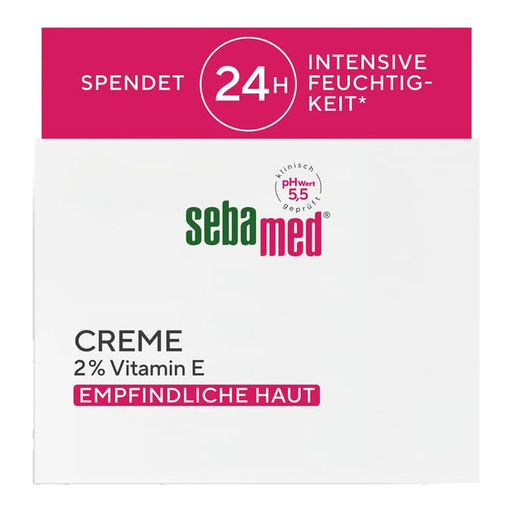
Why this product fits the profile: The 75 ml cream is intended for daily use on the face, neck and décolletage and contains glycerin and vitamin E.
The clearly stated quantity and straightforward application make it easier to assess your daily skincare needs.
75 ml content, glycerin and 2% vitamin E according to the product information; pH value 5.5 stated by the manufacturer.
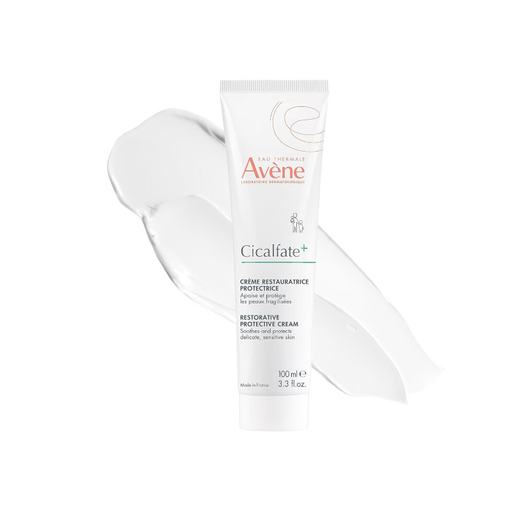
Why this product fits the profile: The 100 ml tube is intended for targeted use on dry or stressed areas of skin, as well as for the whole family.
The product information lists specific ingredients such as glycerin, zinc oxide and beeswax. This means the cream can be used in a targeted way rather than all over the face.
100 ml content; cream formula with glycerin, zinc oxide and Avène Thermal Spring Water according to the product description.
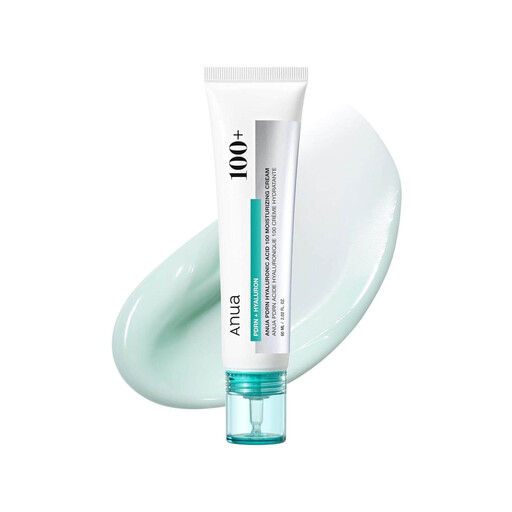
Why this product fits the profile: The cream combines PDRN, hyaluronic acid, panthenol and centella in a daily skincare product for normal, dry, mature or sensitive skin.
The product description names the active ingredient groups and also points out possible changes to the INCI list. You should therefore check the packaging before buying.
60 ml content; PDRN, a complex of several forms of hyaluronic acid, niacinamide and panthenol according to the product information.
We have put together a complete, regularly updated list of products that fully meet these strict selection criteria and the safety regulations in force in the EU.
The shelf life depends on the printed best-before date or the symbol indicating how long the product lasts after opening. Store a face cream in a dry, closed place away from direct sunlight. Scoop products out of jars with clean hands and watch for any changes in smell, colour or consistency.
For a simple routine, the following is usually enough:
A face cream for dry skin can have a higher lipid and oil content. Glycerin, squalane, shea butter, plant oils and ceramides are typical ingredients. What matters is that the texture feels comfortable and does not cause irritation.
Ceramides are often used in skincare products for the skin barrier. A ceramide cream can therefore be a suitable option. However, you should still check the full ingredient list, as it may also contain fragrances or other components. Testing on a small area of skin before the first full application is a good idea.
Most products are applied once or twice a day after cleansing. For very dry skin, an additional thin layer can be helpful, provided the product description allows it. For formulations containing retinol or vitamin A, you should follow the manufacturer's specific usage instructions.