
Lieferung heute & morgen

Qualitätsgarantie

Willkommens-Angebote freischalten: KOSTENLOSE Lieferung | Bis zu 80 % RABATT | Kostenlose 30-Tage-JoyPlus-Testphase
App herunterladen
The right face cream should hydrate your skin, feel pleasant to use and fit into your skincare routine. Yet the choice online can be overwhelming: terms such as ‘barrier protection’, ‘glow’ and ‘anti-ageing’ reveal little about a product’s actual formula. What matters is the full INCI list, the texture and what you want the cream to do.
‘Intensive care’ could mean a rich formula or simply a higher concentration of humectants. ‘Soothing face cream’ is not a uniformly protected product category either. If you have sensitive skin, check the ingredients and look out for fragrance, essential oils and any ingredients you know you react to.
A cream with hyaluronic acid can help bind moisture, but it needs to be part of a balanced formula. For dry skin, lipids, oils or skin-identical ingredients may also be useful. A cream with ceramides will not necessarily feel comfortable for everyone: richness, alcohol, fragrance and the rest of the formula also affect how it feels on your skin.
A lightweight gel-cream may feel more comfortable on oily or blemish-prone skin than a very rich moisturiser. Conversely, a face cream for dry skin may be a better choice if your skin feels very tight. If your skin is sensitive or irritated, test the product on a small area first. If symptoms persist, seek medical advice.
First, decide what you want the product to do:
Check the order of ingredients in the INCI list, and don’t compare similar products solely by their headline active ingredient. Ceramides, cholesterol and phytosphingosine are often used in formulas designed to support the skin barrier. Glycerin, Sodium Hyaluronate and various forms of hyaluronic acid are mainly used to bind moisture. Niacinamide features in many formulas designed to help the skin look more even-toned.
Ingredients may change between batches or when a formula is updated. Always check the ingredients list on the original packaging.
A 30- to 50-ml tube is suitable for daily facial skincare and makes it easy to dispense the product hygienically. Larger jars or tubes may be more economical if you use a lot, but make sure they’re closed properly. Also check whether the cream absorbs quickly, works under sun protection or make-up, and whether you’re happy with its fragrance.
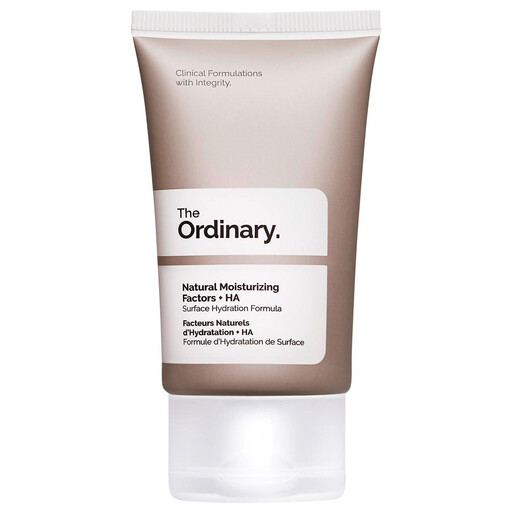
Why it suits this profile: This compact cream is ideal if you’re looking for straightforward hydration to add to your daily routine.
The INCI list includes glycerin, Sodium Hyaluronate, amino acids and fatty acids. This gives you a more objective basis for choosing than relying on a single marketing claim.
Fragrance-free and non-comedogenic, according to the product description; designed for various skin types.

Why it suits this profile: This Korean formula is designed to provide intense hydration and support the skin barrier, with a silky texture.
The product information lists ceramides, cholesterol and several forms of hyaluronic acid. So your choice doesn’t have to rely solely on the word ‘Repair’.
50 ml; seven listed types of hyaluronic acid and several ceramides, according to the INCI list.
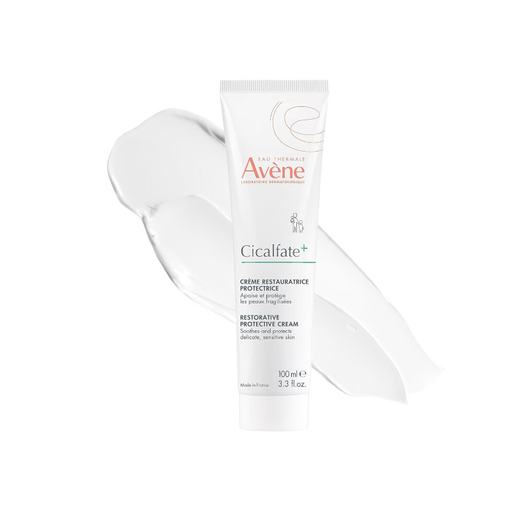
Why it suits this profile: The larger 100-ml tube is handy for everyday, targeted care of dry or stressed areas of skin.
The product description highlights its creamy, protective texture. That makes it a targeted option rather than a lightweight day cream for everyone.
100 ml; contains glycerin, zinc oxide and beeswax, according to the product information; designed for targeted application.
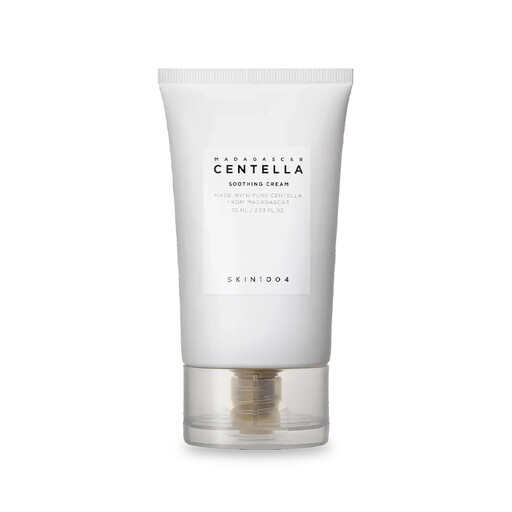
Why it suits this profile: Its refreshing, non-greasy formula is a good fit if you prefer a soothing face cream that feels light on your skin.
The formula includes Centella asiatica, as well as several ceramides, cholesterol and phytosphingosine. Its texture is also specifically described as non-greasy.
75 ml; contains centella, Sodium Hyaluronate and several ceramides, according to the product information.
We’ve put together a complete, regularly updated list of products that meet these strict selection criteria and fully comply with the safety regulations in force in the EU.
Apply face cream after cleansing, while your skin is slightly dry or still a little damp. If you use several skincare products, lighter formulas usually go on first, with the cream as the final layer. In the morning, follow with a suitable sunscreen. Introduce new active ingredients gradually. Retinol products are not suitable for every routine without careful consideration, so follow the manufacturer’s instructions.
Check the printed best-before date, batch code and the period-after-opening symbol to see how long the product will keep. Use clean hands to scoop out cream, close the jar or tube straight away, and store it somewhere dry and out of direct sunlight.
A face cream for dry skin should combine humectants with nourishing lipids. Depending on the formula, glycerin, hyaluronic acid, ceramides, squalane or plant oils may be suitable. The key is to choose a cream that feels comfortable and doesn’t cause irritation.
It’s common to apply face cream morning and evening after cleansing. If the texture is very light, you may want to apply it again during the day. Let your skin’s needs, the product instructions and the rest of your routine guide you.
The best-before date and period after opening are shown on the packaging. If the smell, colour or consistency changes, stop using the product.