
Lieferung heute & morgen

Qualitätsgarantie

Willkommens-Angebote freischalten: KOSTENLOSE Lieferung | Bis zu 80 % RABATT | Kostenlose 30-Tage-JoyPlus-Testphase
App herunterladen
A face cream should hydrate your skin, feel comfortable and fit easily into your daily routine. Yet glossy packaging, long ingredient lists and vague marketing claims often lead to disappointing purchases. If you’re considering a Korean face cream or K-beauty moisturiser, it’s worth taking a closer look at your skin type, the ingredients and how to use it.
1. Ingredient names are mistaken for guaranteed results.
Hyaluronic acid, PDRN, retinol and vitamin C can all be interesting ingredients in a formula. But seeing them listed tells you nothing by itself about their concentration, how well your skin will tolerate them or whether they’re right for you. A hyaluronic acid cream, for example, can suit many hydrating routines, but it won’t necessarily replace a richer moisturiser for very dry skin.
2. “For all skin types” is taken too broadly.
A light gel cream may feel comfortable on combination skin, while a richer texture can feel heavy on oily skin. Conversely, a lightweight face moisturiser may not be enough for dry skin or skin affected by indoor heating. Fragrance, essential oils and certain plant extracts may also be worth considering if you have sensitive skin.
3. Pack size isn’t considered alongside how often you’ll use it.
A 20 ml tube is suitable for targeted use or trying a product out, while 75 or 100 ml may be more economical for daily use. Shelf life, batch number and the information on the packaging are also important. Cosmetic INCI lists can change, so always check the current packaging.
For face cream for dry skin, look for ingredients such as glycerin, squalane, shea butter, oils or skin-like lipids such as ceramides and cholesterol. A barrier-protecting cream should not only hydrate, but also have a comfortable, protective texture.
Light gel creams or non-greasy emulsions may be more practical for combination, oily or blemish-prone skin. Dr. Althea Face Care 345 Relief Cream, for example, is described as a light gel cream. If your skin is sensitive or prone to redness, a simple formula, a patch test and introducing the product gradually are all sensible steps. A soothing face cream shouldn’t automatically be seen as a treatment for skin problems.
Before buying, check that you can find the directions for use, manufacturer details, the responsible person in the EU and any warnings. Most of the products featured here are for external use only and should not get into your eyes. Stop using the product if you experience redness, stinging, swelling or itching.
If your skin is not used to retinol, don’t start by using a retinol cream every day. The product information for Beauty of Joseon Revive Firming Ginseng + Retinol Moisturizer also advises using sun protection while applying it. If you’re pregnant or breastfeeding, speak to a healthcare professional as a precaution before using retinol products.

Why this product suits this profile: The formula combines ceramides, cholesterol and several forms of hyaluronic acid. It’s intended for the final or penultimate step in your skincare routine.
Rather than focusing on just one trendy ingredient, the product information lists specific ingredients for hydration and barrier care.
50 ml size; ceramides, cholesterol and seven listed forms of hyaluronic acid.
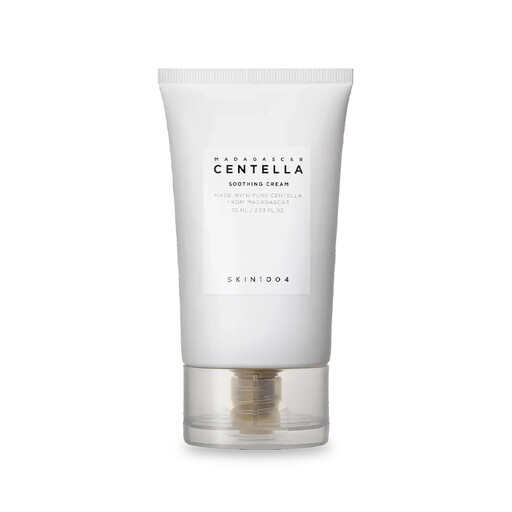
Why this product suits this profile: The cream is described as containing Centella asiatica extract, ceramides, cholesterol and fatty acids. Its non-greasy texture may appeal if you prefer a lighter moisturiser for everyday use.
The product details give information about both the texture and relevant lipids. This makes it easier to judge whether the cream will suit your personal preferences.
75 ml size; the stated INCI list includes ceramides NP, NG, AS, AP and EOP.
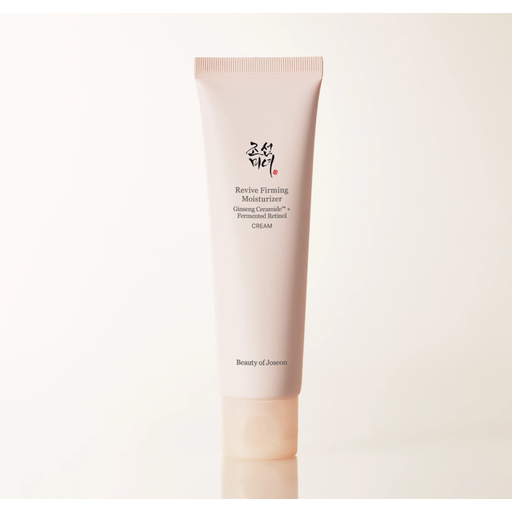
Why this product suits this profile: According to the product information, this anti-ageing face cream contains fermented retinol and ginseng ceramide. It’s designed for people who want to add retinol to their routine mindfully.
Retinol is clearly listed as an active ingredient, and you can build up use gradually. This helps you avoid using an active product every day without giving it careful thought.
60 ml size; described as having a gel-like texture and lists retinol as an ingredient.
We’ve put together a complete, regularly updated list of products that meet these strict selection criteria and fully comply with the safety regulations in force in the EU.
Face cream is usually applied after cleansing, toner and serum. Use enough to cover your face and, if needed, your neck evenly, without rubbing too hard. In the morning, follow with sun protection if you’re using active ingredients, and as part of your daytime skincare routine in general.
Store jars and tubes in a cool, dry place away from direct sunlight. The expiry date and batch number are shown on the packaging. If you have sensitive skin, it’s a good idea to patch test on a small area before applying the cream more widely for the first time.
Look for glycerin, hyaluronic acid, squalane, ceramides or richer lipids. A cream with several barrier-supporting ingredients may feel more comfortable on dry skin than a gel moisturiser alone. Your skin’s feel and how well it tolerates the formula remain key.
Check the best-before date and the period-after-opening symbol on the packaging. Changes in smell, colour or consistency are signs that you should stop using the product. Direct sunlight and heat can also affect the formula.
It depends on the formulas and how well your skin tolerates them. If you’re new to active ingredients, it’s sensible to introduce each one separately, leaving some time between them. Stop using the products if you experience redness or stinging. Suitable sun protection is especially important during the day.