
Lieferung heute & morgen

Qualitätsgarantie

Willkommens-Angebote freischalten: KOSTENLOSE Lieferung | Bis zu 80 % RABATT | Kostenlose 30-Tage-JoyPlus-Testphase
App herunterladen
A face cream should provide moisture, feel comfortable and suit your skincare routine. However, bold product claims, unclear textures and unsuitable ingredients often lead to disappointing purchases. This is why it is particularly worth taking a close look at the product description and INCI list if you have dry, sensitive, blemished or mature skin.
Terms such as “Rejuvenation”, “Repair”, “Glow” or “Anti-Aging” initially describe a product’s positioning. They do not replace an objective assessment of its formulation. For example, an anti-ageing face cream may contain humectants, lipids or selected skincare ingredients. That does not automatically mean that visible lines will be permanently reduced.
A PDRN cream should also be assessed objectively: PDRN, or Sodium DNA, is a cosmetic ingredient. Skincare claims can only be evaluated within the scope of the product information provided; medical or therapeutic promises are not appropriate.
A rich cream may feel suitable for very dry skin or as a night-time face cream for women. If you have oily or blemish-prone skin, a lightweight gel cream may feel more comfortable. If you choose a texture solely based on its marketing presentation, the product may pill beneath make-up, feel sticky or be too rich for daytime use.
“For all skin types” is not a guarantee of individual tolerance. Perfume, essential oils, certain preservatives or numerous plant extracts may be unsuitable for sensitive skin. The ingredients list on the packaging is the decisive reference, as formulations can change.
A moisturiser for the face often contains glycerin, hyaluronic acid, panthenol or betaine. These ingredients can bind water in the uppermost layer of the skin and improve how it feels. For dry skin, an additional moisturising sealant can be beneficial, such as squalane, shea butter, plant oils or certain lipids.
A lighter gel cream may be sufficient for dehydrated skin. If your skin feels tight after cleansing or reacts to changes in the weather, a somewhat richer formulation is often more practical.
If you want to strengthen the skin barrier, look out for ceramides, cholesterol, lecithin, squalane or panthenol. A ceramide cream may contain Ceramide NP, AP or EOP, for example. These designations form part of the INCI nomenclature and can help when comparing products.
A repairing face cream should not rely solely on the term “Repair” in its marketing, but should contain identifiable skincare ingredients. If your skin is severely irritated, damaged or inflamed, a cosmetic product should not be regarded as a substitute for a dermatological assessment.
For sensitive skin, fragrance-free formulations with a straightforward ingredients list can be a suitable starting point. New products should initially be tested on a small area of skin. Stop using the product if redness, stinging, swelling or persistent itching occurs.
A face cream with moisturising properties does not replace adequate UV protection during the day. Products containing potent active ingredients, acids or fragrances should not be combined with other potentially irritating products without checking first.
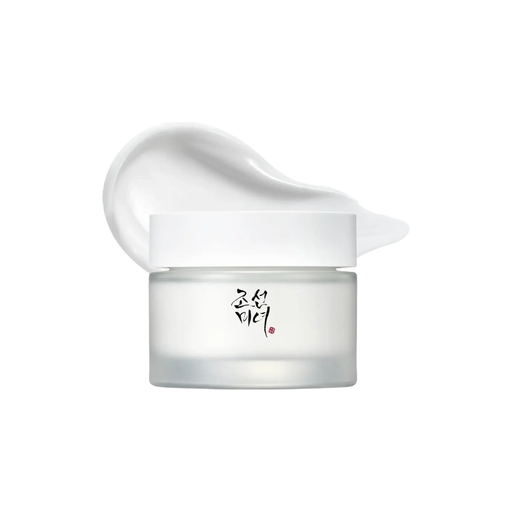
Why this product suits this profile: The 50ml size is ideal for starting a structured facial skincare routine. The listed INCI ingredients include glycerin, niacinamide, squalane, hyaluronic acid and ceramides.
The product data lists specific ingredients and, in the description provided, does not identify any added fragrance.
A combination of humectants, squalane and Ceramide NP, with a lightweight, creamy texture according to the product description.
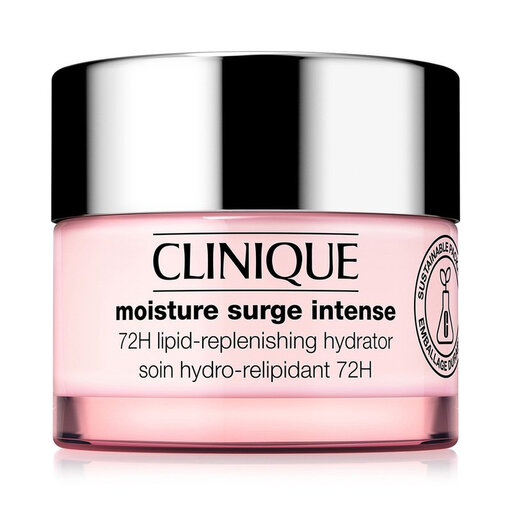
Why this product suits this profile: The rich cream-gel texture is designed for dry or dehydrated skin and can be used in the morning, evening or as a short moisture mask.
The description explicitly states that the formulation is fragrance-free and mentions lipids and Cica rather than relying solely on promotional claims.
According to the product information, parabens, phthalates and fragrances are not used; lipids are listed as skincare ingredients.
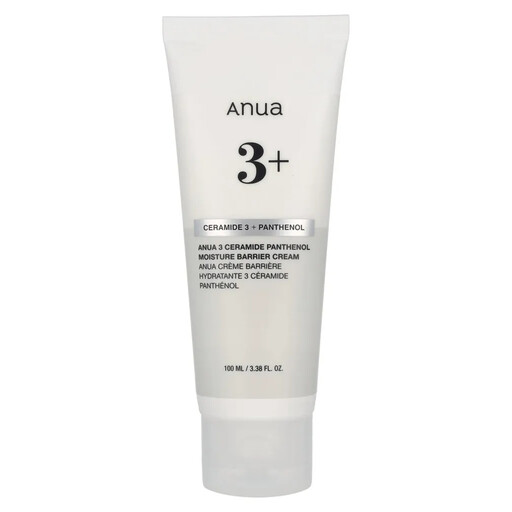
Why this product suits this profile: The 100ml container is suitable for regular use on the face and neck. According to the description, the formulation is intended for dry, sensitive and normal skin.
Rather than simply referring to “barrier protection”, the INCI list includes Ceramide NP, AP and EOP, as well as panthenol.
A generous volume, several types of ceramide and, according to the product information, a lightweight, non-sticky texture.
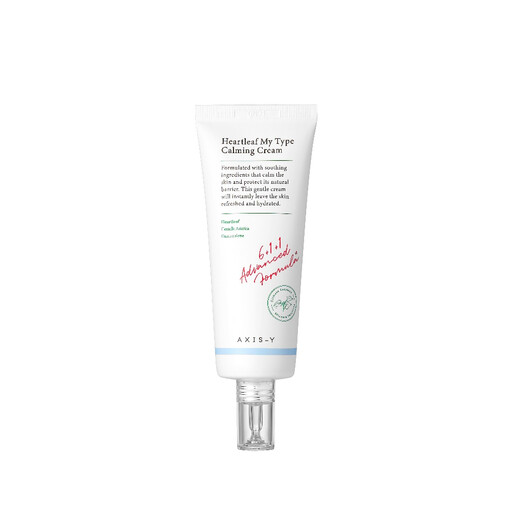
Why this product suits this profile: This gel cream is worth considering if you are looking for a soothing face cream that absorbs quickly and leaves minimal residue.
The water-based gel texture described reduces the risk of a heavy feel on the skin; a patch test is recommended before use.
The listed ingredients include Houttuynia Cordata extract, Centella, hyaluronic acid and allantoin.
We have put together a complete, regularly updated list of products that fully meet these strict selection criteria and the safety regulations applicable in the EU.
Face cream is generally applied after cleansing, toner or serum. If you have dry skin, using a slightly larger amount may be beneficial, while a thin layer is often enough with a gel cream. In the morning, apply a sun protection product afterwards.
Shelf life depends on the best-before date and the PAO symbol on the packaging, such as “12M” for twelve months after opening. Use products in jars with clean hands, and protect them from heat, direct sunlight and moisture. If the colour, smell or consistency changes, the product should no longer be applied to the skin.
For face cream for dry skin, humectants such as glycerin or hyaluronic acid, as well as replenishing ingredients such as squalane, shea butter or lipids, are relevant. A richer texture is often better suited to night-time use or cold, dry indoor air.
When choosing face cream for sensitive skin, fragrance-free products with a straightforward formulation can be a sensible option. Check the current ingredients list for fragrances, essential oils and any known personal sensitivities. A patch test before first use is advisable.
Most moisturisers can be used morning and evening, provided your skin tolerates the product. With richer formulations, applying it as part of your evening routine may be sufficient. Your skin’s feel, the season and how it interacts with other skincare products are the key considerations.