
Lieferung heute & morgen

Qualitätsgarantie

Willkommens-Angebote freischalten: KOSTENLOSE Lieferung | Bis zu 80 % RABATT | Kostenlose 30-Tage-JoyPlus-Testphase
App herunterladen
A face cream should provide moisture, feel pleasant to apply and fit into your skincare routine. However, eye-catching ingredient names and far-reaching marketing claims do not automatically lead to the right choice. K-Beauty products in particular deserve a closer look at skin type, texture, ingredient list and pack size.
Terms such as “Brightening”, “Barrier Repair” or “Anti-Aging” usually describe the focus of a formula, but they are not a guarantee of a particular result. A niacinamide cream, vitamin C cream or hyaluronic acid cream may contain different concentrations, derivatives and textures. The full INCI list is therefore what matters, rather than just the name on the front of the pack.
A very rich cream may feel pleasant on dry skin, but can feel heavy on oily or combination skin. Conversely, a lightweight gel cream may not be enough in winter or for dry cheeks. The right face moisturiser should suit how your skin feels, the season and the other skincare products you use.
50 ml is a common size for a classic face cream, while 75 ml, 100 ml or 450 g may be more appealing for frequent users and body care. A larger jar is not automatically more economical if the formula is used slowly after opening or the texture is not used regularly. Pay attention to the expiry information, period-after-opening symbol and your actual needs.
For face cream for dry skin, moisturising and skin-conditioning ingredients such as glycerin, panthenol, squalane, shea butter or certain oils are relevant. When choosing a face cream for sensitive skin, a short INCI list, avoiding fragrance and introducing the product carefully can make the selection process easier.
Lightweight gel creams are often suitable for summer, under make-up or for combination skin. Creamier formulations are more suitable for dry areas and evening routines. If your skin is very sensitive, test new products on a small area first.
When brands make claims about special results, check the precise source and scope of the study. According to a clinical study by Beauty of Joseon, certain cosmetic changes were reported in 22 people after four weeks of using a retinol product. Brand data of this kind cannot automatically be applied to everyone.
Cosmetics intended for the German market should have clear labelling, an INCI list, expiry information and details of the responsible person in the EU. The product description does not replace checking the packaging, as formulas may change. If in doubt, refer to the ingredient list currently printed on the packaging.
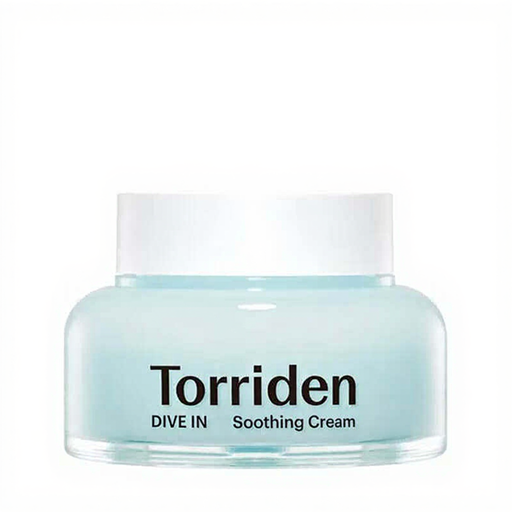
Why this product suits this profile: The 100 ml pack provides plenty of product for daily moisturising. The lightweight cream contains several forms of hyaluronic acid, as well as glycerin, panthenol and allantoin.
The product details clearly state the size, suitable skin types and INCI list. This makes it easier to choose based on your skin’s moisture needs and the desired texture, rather than focusing only on marketing terms.
100 ml; lightweight gel cream; several hyaluronic acid derivatives and panthenol according to the ingredient list.

Why this product suits this profile: The formula combines ceramides, cholesterol and seven listed forms of hyaluronic acid. Its silky texture leaves minimal residue and is designed for everyday routines.
Rather than highlighting just one trending ingredient, the product description identifies several moisturising and barrier-supporting ingredients. The current packaging remains the definitive source for checking the details.
50 ml; Ceramide NP, AS, AP, NG, NS and EOP in the stated INCI list; several forms of hyaluronic acid.
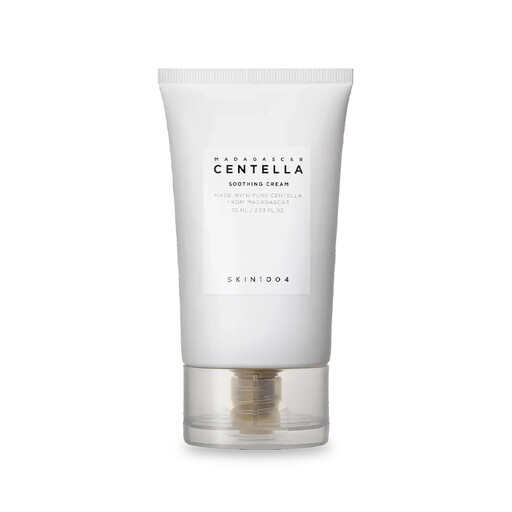
Why this product suits this profile: This soothing face cream combines centella extract with ceramides, cholesterol and phytosphingosine. The 75 ml tube is designed for regular use on the face.
The product details mention not only centella, but also several barrier-supporting ingredients. This makes it easier to assess whether the formula suits your preference for lightweight, non-greasy care.
75 ml; Centella asiatica, ceramides and Sodium Hyaluronate according to the INCI; tube rather than jar.
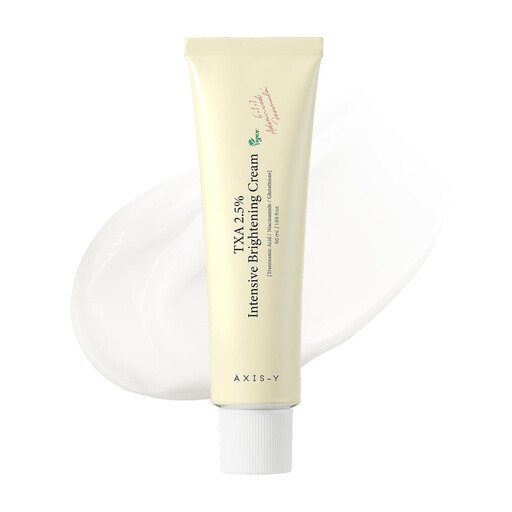
Why this product suits this profile: According to the product details, this Korean face cream contains 2,5 % tranexamic acid, niacinamide, Ceramide NP, panthenol and several forms of hyaluronic acid.
The concentration of tranexamic acid is clearly stated. The usage instructions recommend sun protection of at least SPF 30 when used daily; individual tolerance should also be taken into account.
50 ml; 2,5 % tranexamic acid according to the product details; niacinamide, Ceramide NP and panthenol in the ingredient list.
Apply your face cream after cleansing, to slightly dry or still minimally damp skin. When using several products, cream usually comes after lighter steps such as toner or serum. In the morning, follow with suitable sun protection, especially if your routine includes brightening or retinol products.
If your skin is sensitive, introduce the product gradually:
Do not compare just the price, but also:
We have put together a complete, regularly updated list of products that fully meet these strict selection criteria and the safety regulations applicable in the EU.
Look for glycerin, panthenol, squalane, shea butter, ceramides or nourishing oils. A richer texture may feel more comfortable on dry skin. Your individual skin feel remains the key factor: tightness or a dry film may indicate that your skincare routine needs adjusting.
Most products are intended for use in the morning and evening. If you have oily skin, a smaller amount may be enough, while dry skin may prefer a richer evening moisturiser. Always follow the manufacturer’s specific instructions.
The best-before date and the symbol indicating the period after opening, such as “12M” or “24M”, are the key points to check. Store the cream in a cool, dry place away from direct sunlight. If the smell, colour or consistency changes noticeably, stop using the product.