
Lieferung heute & morgen

Qualitätsgarantie

Willkommens-Angebote freischalten: KOSTENLOSE Lieferung | Bis zu 80 % RABATT | Kostenlose 30-Tage-JoyPlus-Testphase
App herunterladen
A face cream should deliver moisture, support the skin barrier, and fit comfortably into your daily skincare routine. The options range from lightweight gel creams to rich barrier-protection creams. Yet this very variety makes comparison difficult: a cream that feels pleasant on dry skin can feel too heavy for combination skin. Ingredients such as retinol, niacinamide or PDRN are not automatically suitable for every skincare routine either.
Claims like “77 % extract” or “10 times hyaluronic acid” sound impressive, but on their own they don’t explain the full formulation. What really matters is where an ingredient appears on the INCI list, what other components are included, and whether fragrances or essential oils need to be considered.
A hyaluronic acid cream, for example, may use different molecular forms. The name alone therefore tells you nothing about the skin feel or its suitability for very dry, sensitive or blemish-prone skin.
A rich cream is not automatically a suitable face cream for dry skin. The context of use also plays a role: in a German winter, a lipid-rich texture can feel comfortable, whereas in summer or under make-up it can be too much. For combination skin, using one cream all over the face is often less flexible than zone-based care.
A retinol cream should be introduced gradually. Using it too frequently on sensitive or unaccustomed skin can lead to dryness, tightness or irritation. Retinol products usually belong in your evening routine; during the day, a suitable sunscreen is advisable. Always check the manufacturer’s instructions, concentration and storage requirements before purchasing.
Before buying, check whether fragrances, essential oils or known allergens are included. For example, the Celimax cream lists rosemary oil; several Nuxe and Medi-Peel products contain perfume or fragrance components that must be declared. This is not a blanket exclusion criterion, but it should inform your decision when choosing a face cream for sensitive skin.
Ceramides, glycerin, panthenol and squalane are frequently used to care for dry skin. However, their actual effect in a product depends on the entire formulation. With changing formulations, the ingredients list on the original packaging is the definitive reference.
With retinol, concentration, the introduction phase and storage are particularly important. According to product information, The Retinol 0.1 Cream contains 0.1 % retinol and is designed for a cautious start. The The Retinol 0.3 Cream variant contains 0.3 % retinol according to product information and is aimed at those with prior experience. Products should be chosen based on your routine and tolerance, not simply on packaging design.
Also pay attention to the fill volume, period-after-opening symbol, best-before date and batch number. A small 20 ml tube can be practical for slowly introducing an active-ingredient product, while 50 to 100 ml may be more convenient for daily moisturising care.
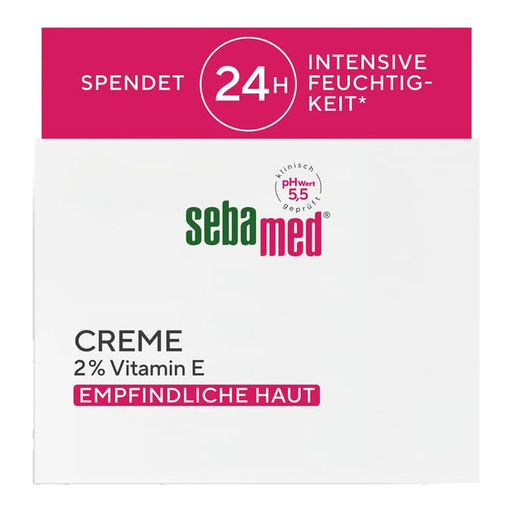
Why this product fits the profile: The 75 ml tube is ideal for straightforward daily care after cleansing. According to product information, the formulation has a pH value of 5.5 and is intended for all skin types.
The information clearly states the fill volume, pH value and usage. This makes it easier to compare the cream with your existing routine, without relying on vague anti-ageing promises.
Glycerin and a vitamin E derivative are listed in the INCI. According to the product description, the cream can also be used as a make-up base.
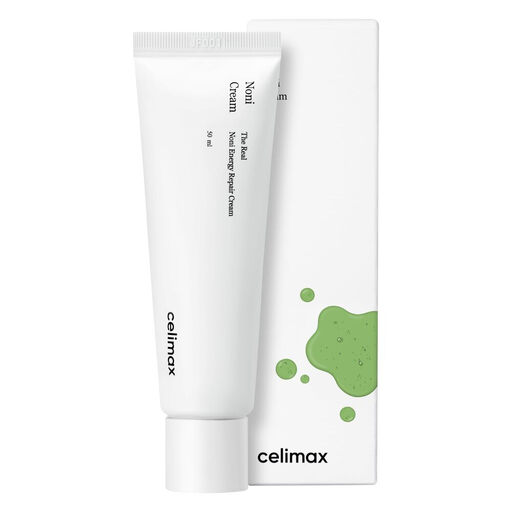
Why this product fits the profile: According to product information, this Korean face cream combines noni extract, ceramides, niacinamide and hyaluronic acid. It is aimed at those who prefer a richer care product for dry or rough skin.
The INCI list specifically shows the advertised ingredients. At the same time, rosemary oil is indicated, so those with fragrance sensitivity can check their choice in advance.
Ceramide NP, squalane, shea butter and sodium hyaluronate are listed. The product is described for use as the final step in both morning and evening routines.
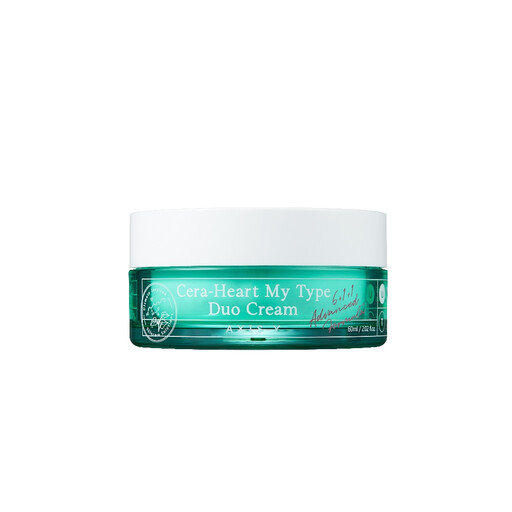
Why this product fits the profile: According to product information, the duo contains a lighter T-zone cream with heartleaf extract and a richer U-zone cream with ceramide NP. This is practical for changing skin needs and combination skin.
The two textures avoid the typical compromise of a single cream for the whole face. The amount can be adjusted per zone.
The set contains 60 ml in total, divided into 30 ml T-zone cream and 30 ml U-zone cream. Ceramide NP and sodium hyaluronate are listed in the U-zone formulation.
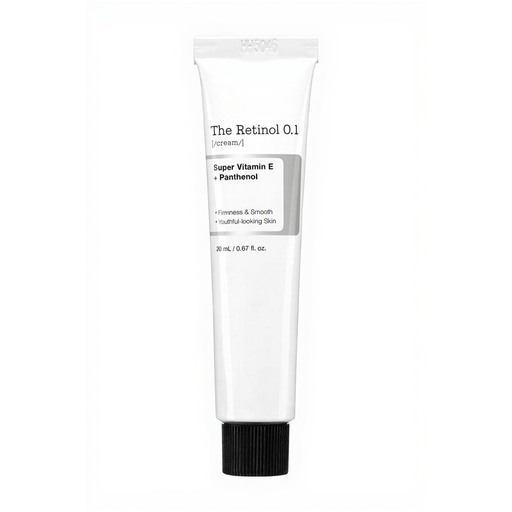
Why this product fits the profile: According to product information, the cream contains 0.1 % retinol and is intended for those who want to introduce this ingredient carefully into their evening routine.
The recommended gradual application reduces the risk of using retinol too frequently straight away. If reactions occur, usage should be paused.
Panthenol, adenosine and several forms of hyaluronic acid are listed in the ingredients. The 20 ml size is suitable for a controlled introduction.
We have compiled a complete, regularly updated list of products that fully meet these strict selection criteria and the safety regulations in force in the EU.
A PDRN cream such as the Anua PDRN Hyaluronic Acid 100 Moisture Cream or a hyaluronic acid cream may be of interest to those primarily seeking hydration and a light skin feel. However, the term PDRN is no substitute for checking the full ingredients list and your individual tolerance.
For dry skin, formulations with glycerin, ceramides, squalane, shea butter or nourishing oils are suitable. Texture and tolerance are also crucial. For very dry skin, a rich cream in the evening may feel more comfortable than a light gel cream.
The period-after-opening symbol and the instructions on the packaging are the definitive guide. If the smell, colour or consistency changes, the product should no longer be used. Retinol products may have additional storage instructions.
Yes, a simple moisturiser can be used in the same routine. Retinol should be introduced slowly and not combined with other irritating ingredients without checking first. For sensitive skin, a patch test is advisable; during pregnancy or breastfeeding, please observe the relevant warnings and seek medical advice.