
Lieferung heute & morgen

Qualitätsgarantie

Willkommens-Angebote freischalten: KOSTENLOSE Lieferung | Bis zu 80 % RABATT | Kostenlose 30-Tage-JoyPlus-Testphase
App herunterladen
A face cream should provide moisture, spread easily and suit your individual skin concerns. However, having a wide choice does not automatically make the decision easier. Terms such as “glow”, “anti-ageing” or “barrier protection” often describe a skincare goal, but on their own they reveal little about the texture, compatibility or actual formulation.
If you are looking for a moisturiser for your face, you should therefore look beyond brand recognition and advertising claims. The key factors are the ingredients list, consistency, intended use and your own skincare habits.
A face cream with hyaluronic acid, niacinamide or retinol may be appealing for particular skincare goals. However, simply naming an active ingredient does not mean that every skin type will react in the same way or that a specific result is guaranteed. Concentration, formulation, skin condition and regular use also play a part.
A cautious introduction is particularly sensible when using a face cream with retinol. Retinol can make the skin more sensitive. A gradual approach, following the manufacturer’s instructions and using suitable sun protection during the day are all part of a sensible routine. During pregnancy, retinol-containing products should only be used after consulting a medical professional.
A cream may be described as suitable for all skin types and still feel very different on very dry, oily or sensitive skin. A rich formulation may benefit dry skin, while a lightweight gel face cream may feel more comfortable on oily or dehydrated skin.
The label non-comedogenic face cream is also no reason to rule out individual reactions. If your skin is sensitive or prone to blemishes, it is advisable to carry out a patch test on a small area first.
A low price per millilitre may look attractive. However, if the cream is only used occasionally, the calculation changes. You should also note the date of opening and keep the packaging properly closed. With jars, there is more contact with your fingers than with a tube or pump dispenser. The actual period of use therefore depends on the amount applied, frequency of use and type of packaging.
For dry skin, humectants such as glycerine, hyaluronic acid or urea, as well as nourishing and replenishing ingredients, may be beneficial. A face cream for dry skin can have a richer texture, but it should not feel unpleasantly heavy.
For sensitive skin, it is worth looking for a formulation with as few unnecessary ingredients as possible. A soothing face cream may contain panthenol, centella asiatica ingredients or allantoin, for example. Fragrances and essential oils are not suitable for everyone with sensitive skin.
For mature skin, an anti-ageing face cream containing peptides, niacinamide or retinol may be worth considering. Claims about wrinkles, elasticity or firmer-looking skin should be understood as cosmetic product descriptions rather than medical effects.
The INCI list generally presents ingredients in descending order of quantity, subject to legal provisions for ingredients used in low concentrations. When choosing a product, this means that if glycerine, water or certain oils appear near the top of the list, they will usually have a greater influence on the texture than ingredients listed at the end.
Potential personal intolerances are also important. One product may be described as fragrance-free, while another contains essential oils or fragrances. If you have known allergies, the packaging of the specific product should be the deciding factor, as formulations may change.
A cream for use in the morning under make-up should absorb quickly and avoid leaving an unwanted film. For your evening routine, a richer barrier protection cream may be more suitable. Tubes are hygienic and convenient for travelling; jars allow you to remove the product easily but require extra care during use.
For daily facial skincare, apply a small amount evenly to cleansed skin and monitor how it reacts. New active ingredients should not be introduced at the same time as several other active products.
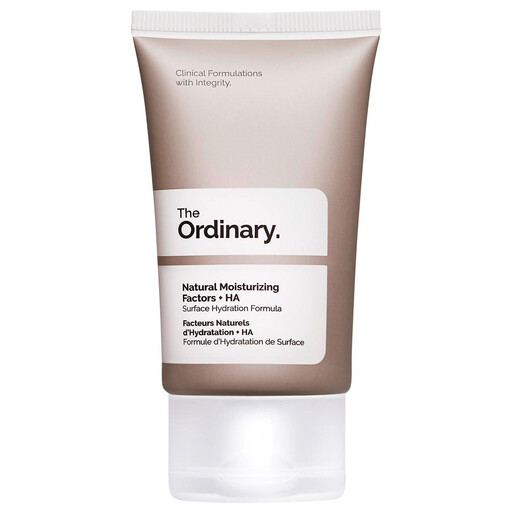
Why this product suits the profile: The compact 30ml size is ideal for trying out a straightforward basic moisturiser. The formulation contains glycerine, amino acids, fatty acids and sodium hyaluronate, among other ingredients.
The focus is on moisturising care rather than a long list of advertised specialist effects. The INCI list can be compared directly.
Fragrance-free according to the product description, non-comedogenic according to the supplier’s information and intended for all skin types.
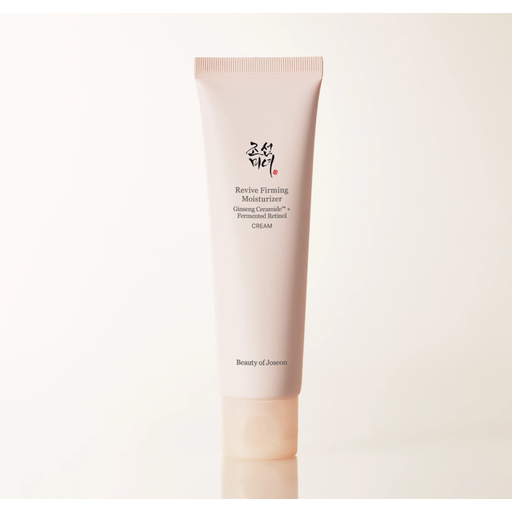
Why this product suits the profile: According to the product information, this lightweight gel cream combines fermented retinol, ginseng and ceramides. It is aimed at users looking for a K-beauty moisturiser with an active skincare ingredient.
The texture is described as lightweight and non-sticky. This gives you a specific parameter to assess how the product feels before buying.
60 ml content, a non-comedogenic product claim and gel cream consistency. When using retinol, following the instructions is particularly important.
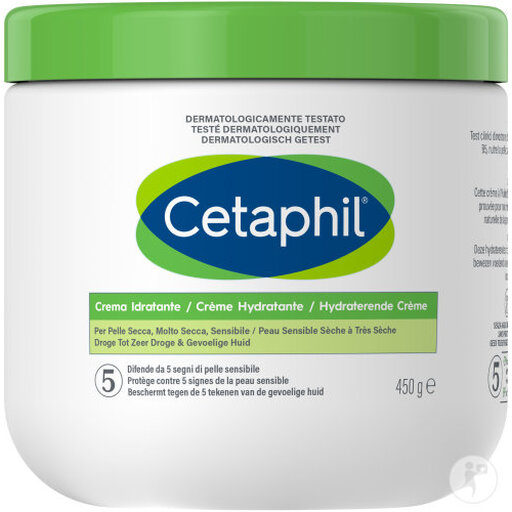
Why this product suits the profile: The large 450g pack is designed for regular use. According to the product description, this rich cream is intended for dry and sensitive skin.
Rather than a small specialist product, the focus is on a clearly described basic formulation containing glycerine, panthenol and niacinamide.
450 g content, fragrance-free and non-comedogenic according to the supplier’s information. The consistency is rich and may not suit everyone’s preferred skin feel.
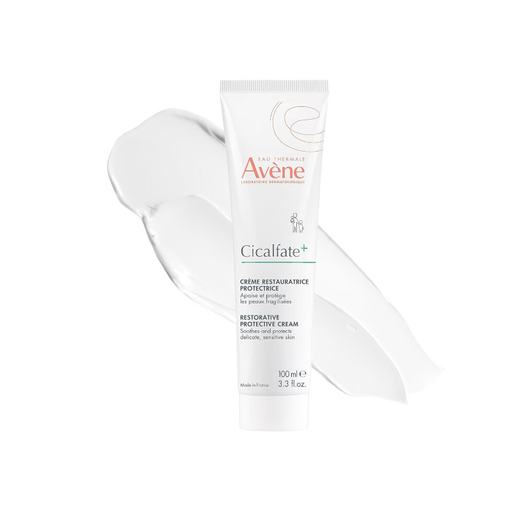
Why this product suits the profile: The 100ml cream is intended for targeted care of dry or irritated-looking areas of skin and can be used flexibly by the whole family.
The product description identifies a clear protective and caring purpose instead of combining several different anti-ageing or pore-related claims.
100 ml content, plus glycerine, zinc and zinc oxide according to the ingredients information. For external use only; avoid contact with the eyes.
We have put together a complete, regularly updated list of products that fully meet these strict selection criteria and the safety regulations applicable in the EU.
For dry skin, formulations containing glycerine, hyaluronic acid, urea, ceramides or nourishing and replenishing ingredients may be suitable. A richer cream can be particularly well suited to evening use. What matters is whether your skin feels comfortable after application and does not feel tight.
Most moisturisers are used in the morning and evening after cleansing. The appropriate amount depends on the product, how your skin feels and the time of year. When trying a new formulation, start by applying a small amount. Retinol or AHA products may require a different application routine.
The best-before date, the symbol indicating the period of use after opening and the information on the packaging are the key points to follow. Avoid direct sunlight and excessive heat. If the smell, colour or consistency changes noticeably, stop using the product.