
Lieferung heute & morgen

Qualitätsgarantie

Willkommens-Angebote freischalten: KOSTENLOSE Lieferung | Bis zu 80 % RABATT | Kostenlose 30-Tage-JoyPlus-Testphase
App herunterladen
A face cream should provide moisture, spread easily and feel comfortable, while suiting your skin and daily routine. However, choosing online can quickly lead to unsuitable purchases: a rich formula may feel too heavy on combination skin, while a lightweight gel cream may not be enough for pronounced dryness. Korean skincare is also often promoted with claims about its effects that are difficult to assess without checking the full INCI list.
This buying guide explains what adults and families in Germany should look for when choosing a face cream. The focus is on clear criteria such as texture, ingredients, pack size, application and skin compatibility.
Terms such as “Glass Skin”, “Glow”, “Repair” or “anti-ageing cream” initially describe a product’s positioning, rather than a uniformly defined product performance. What matters is which ingredients are actually included and how the cream is intended to be used.
A single ingredient does not automatically make a cream suitable for every skin type. The overall formula and your skin’s individual response are what matter.
A moisturiser for the face with a gel texture may feel lighter on oily or combination skin. Very dry skin, on the other hand, often benefits from creamier formulations containing lipids or occlusive ingredients. A barrier-protection cream may be suitable for dry, rough areas of the body, but may not be preferred by every user on the face.
The time of year also plays a role: richer care is often preferred in winter or when indoor heating makes the air dry, while a lighter texture may feel more comfortable in summer.
With sensitive skin, a short, straightforward skincare routine is often easier to assess than combining several active products at the same time. Fragrances, essential oils, acids, retinoids or highly concentrated combinations of active ingredients can cause problems for some people. “Natural” does not automatically mean “non-irritating”.
Before using a product for the first time, a patch test on a small area of skin is recommended. If redness, itching, swelling or burning persists, stop using the product and seek medical advice if necessary.
Read the INCI list on the packaging and compare it with your skincare goal:
Terms such as “replenishing care cream” or “soothing face cream” are therefore most useful when accompanied by specific information about the formula and how to use it.
Check whether the product is intended for the face, body or both. A baby cream is not automatically the right face cream for adults. For products intended for babies and children, age recommendations and the intended use are particularly important.
For active ingredients such as retinol or vitamin C derivatives, follow the manufacturer’s instructions. According to a clinical study by Beauty of Joseon involving 22 people aged between 41 and 68, the “Revive Firming Ginseng + Retinol Moisturizer” was reported to produce certain changes in elasticity, fine lines, lifting and skin texture after four weeks. These findings relate to the study mentioned and cannot automatically be applied to every individual.
Do not compare just the price, but also the quantity and recommended dosage. A 100-ml jar may be more economical for daily use, while a 20- or 40-ml tube may be more practical for travelling or trying a product for the first time. Tubes also reduce direct contact with the product.
A simple routine usually consists of:
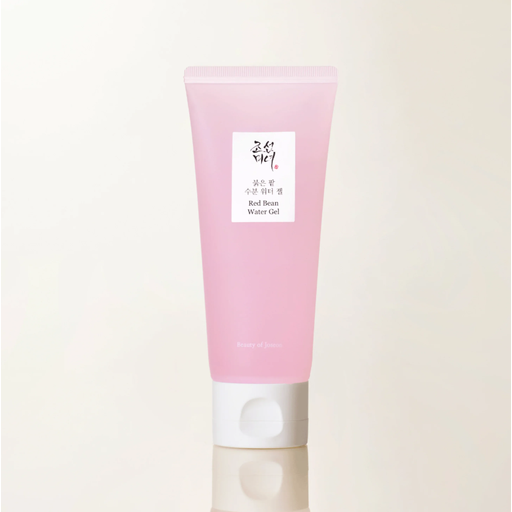
Why this product suits the profile: The 100-ml gel cream has a lightweight, non-greasy texture and is designed for use in the morning and evening.
The gel texture helps avoid unnecessarily heavy care on combination skin or in warmer temperatures. The full INCI list is provided.
100 ml; the formula lists adzuki bean extract, glycerin, panthenol and allantoin.

Why this product suits the profile: The cream combines ceramides, cholesterol and several forms of hyaluronic acid in a formula specifically designed to support the skin barrier.
The relevant barrier-supporting ingredients can be identified in the ingredients list, rather than being promoted solely with a general “Repair” claim.
50 ml; ceramides NP, AS, AP, NG, NS and EOP, as well as several forms of hyaluronic acid, are listed.
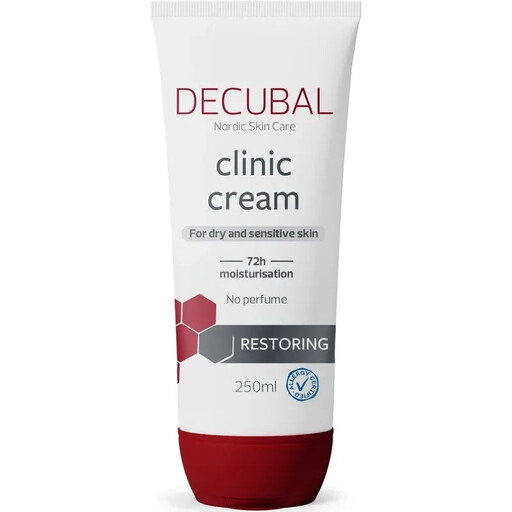
Why this product suits the profile: The large 250-g pack is designed for regular care on the face and body, making it practical for households with very dry skin.
The product details state a 38% lipid content and a fragrance-free, colourant-free formula. This makes the choice easier to assess than a purely promotional claim.
250 g; glycerin, lanolin and dimethicone; according to the product details, suitable for dry and sensitive skin.
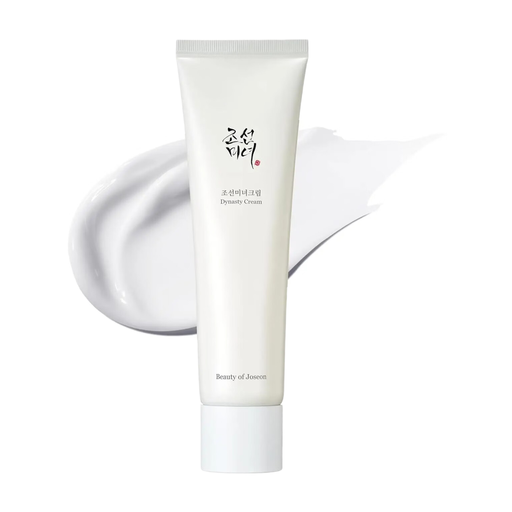
Why this product suits the profile: The larger pack is suitable for people who want to incorporate a classic K-beauty cream into their moisturising routine regularly.
The texture and declared ingredients can be checked before purchase. This makes it easier to assess whether a richer cream suits your skin.
100 ml; according to the product details, with 2% niacinamide, 2% squalane, rice water, ginseng water and ceramide NP.
We have put together a complete, regularly updated list of products that fully meet these strict selection criteria and the safety regulations applicable in the EU.
This depends on your skin type, the product and your personal skincare needs. Many moisturisers are used in the morning and evening after cleansing. With very dry skin, an additional application to individual areas may be useful. The specific dosage and frequency should follow the manufacturer’s instructions.
For face cream for dry skin, formulations containing glycerin, hyaluronic acid, ceramides, oils or other lipids may be worth considering. Also look for a creamy texture and check whether the formula contains fragrances if your skin is prone to sensitivity. A patch test is still advisable, even with products marketed as gentle.
A baby cream may be suitable for certain dry areas of the body, but it is not automatically the right facial moisturiser. Check the intended area of use, texture, fragrances and age recommendations. For products intended for babies and children, use should follow the labelling precisely. If skin problems persist for a longer period, dermatological advice is recommended.