
Lieferung heute & morgen

Qualitätsgarantie

Willkommens-Angebote freischalten: KOSTENLOSE Lieferung | Bis zu 80 % RABATT | Kostenlose 30-Tage-JoyPlus-Testphase
App herunterladen
A face cream should hydrate your skin, feel comfortable and suit its individual needs. But attractive marketing claims don’t automatically lead to the right purchase. What matters is the full INCI list, the texture, how you use it and how well it fits into your personal skincare routine.
Names such as hyaluronic acid, PDRN, peptides and retinol may sound impressive, but on their own they say little about whether a product is right for you. The key is whether the overall formula suits your skin type. A rich cream may feel heavy on oily skin, while a lightweight gel cream may not feel comfortable enough for very dry skin.
This usually describes a broad target audience, but it doesn’t replace checking the texture and ingredients. If you’re looking for a face cream for dry skin, look for humectants and nourishing lipids. For sensitive skin, a straightforward INCI list and a fragrance-free formula may be more important.
A retinol face cream or an anti-ageing face cream shouldn’t be seen as an instant fix. Retinol can irritate the skin, so it needs to be introduced gradually, alongside suitable sun protection during the day. The formula of a barrier repair cream also matters more than the name on the packaging.
Hyaluronic acid is a humectant. A hyaluronic acid cream may contain different forms of this ingredient, such as Sodium Hyaluronate or Hydrolyzed Hyaluronic Acid. Including several forms is an interesting feature of a formula, but it doesn’t guarantee a particular result.
Ceramides, cholesterol and phytosphingosine are often used in skincare products designed to support the skin barrier. When choosing a barrier repair cream, it’s worth looking for these groups of ingredients rather than relying on the product name alone.
Retinol should be used in the evening, starting with a small amount. It isn’t suitable for use on irritated or damaged skin. Follow the manufacturer’s instructions and the information on the packaging, and use sun protection every day.
Before placing your order, check:
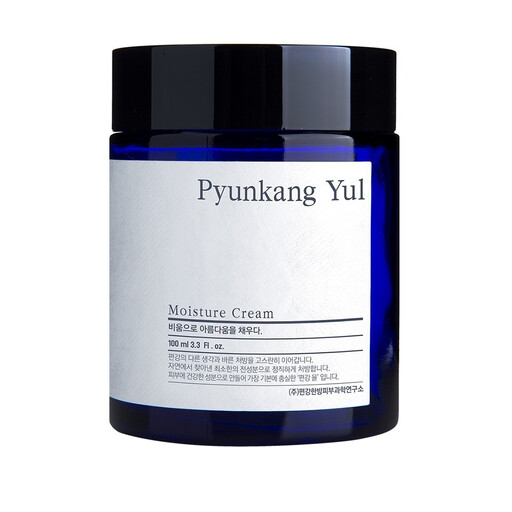
Why it suits this profile: The 100 ml size is a simple choice for everyday facial skincare. According to the product description, the cream is free from fragrance, silicones and parabens, and is designed for different skin types.
The claims about its fragrance-free formula and fast-absorbing texture can help you avoid skincare that’s unnecessarily complicated or heavily fragranced.
100 ml size, plus jojoba oil, shea butter and Coptis Japonica root extract according to the listed INCI ingredients.
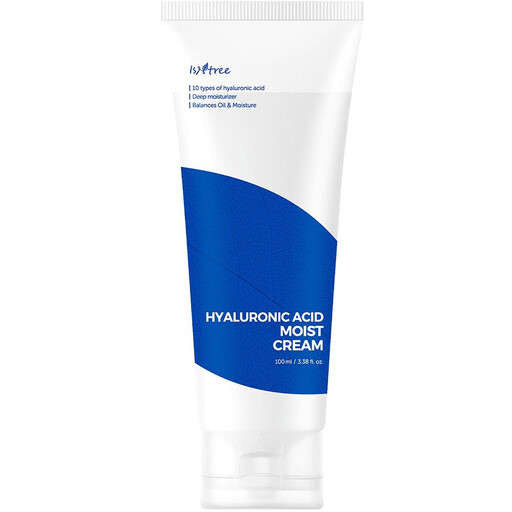
Why it suits this profile: According to the product information, this Korean face cream combines five forms of hyaluronic acid with Ceramide NP, panthenol and plant-based ingredients.
Rather than relying on the general claim of “hydration”, this choice is based on the specific INCI list and the described non-greasy texture.
100 ml size, a vegan product claim and several forms of hyaluronic acid, according to the manufacturer’s information.

Why it suits this profile: According to the product description, this cream is for anyone looking for a richer moisturiser with ceramides and several forms of hyaluronic acid.
The product information specifically lists ceramides, cholesterol and various hyaluronic acid derivatives, rather than making only general claims about barrier care.
50 ml size and a formula focused on ceramides and hydration, according to the listed ingredients.
A face cream for dry skin should combine humectants such as glycerin or hyaluronic acid with nourishing ingredients such as ceramides, shea butter or oils. How it feels on your skin still matters most: if your skin feels tight, a richer texture may be a good choice; if it also looks shiny, a lighter cream may suit you better.
Most facial moisturisers can be applied morning and evening after cleansing. You’ll usually only need a small amount. If the product contains active ingredients such as retinol, build up use gradually in line with the product instructions.
Check the best-before date and the PAO symbol on the packaging, such as “12M” for 12 months after opening. Close jars properly, and keep them away from heat and direct sunlight. If the product’s smell, appearance or feel on your skin changes, stop using it.