
Lieferung heute & morgen

Qualitätsgarantie

Willkommens-Angebote freischalten: KOSTENLOSE Lieferung | Bis zu 80 % RABATT | Kostenlose 30-Tage-JoyPlus-Testphase
App herunterladen
A face cream should suit your skin, the time of day and the rest of your skincare routine. Even so, eye-catching packaging and performance claims often lead to disappointing purchases: a rich texture can feel uncomfortable on combination skin, built-in sun protection does not automatically replace a complete sun-care product, and a high concentration of active ingredients is not suitable for every skin type.
Joybuy Product Recommendation Officer filters the most important selection criteria and categorises products according to specific usage profiles. This makes it easier to compare face creams objectively before buying online.
Terms such as anti-ageing face cream, wrinkle cream or “lift” initially describe how a product is positioned. On their own, they say little about whether the cream suits your skin. More meaningful are verifiable details such as skin type, pack size, application, texture and INCI list.
Fine lines can be more noticeable when the skin is dry. A moisturising face cream can then help the skin feel smoother, without this implying a medical or permanent rejuvenating effect.
A face cream with SPF 15 or SPF 30 can be incorporated into a daytime routine. However, the correct amount applied and reapplication during longer periods outdoors, sweating or washing are crucial. For intense sun exposure, a product specifically designed as sun protection is generally easier to use appropriately.
Plant extracts, fragrances, essential oils, retinoids and acids can have different effects depending on your skin. Even a face cream for dry skin may contain fragrance. If you have sensitive skin, it is worth checking the complete INCI list. Before applying the product over a larger area for the first time, a small patch test on an inconspicuous area of skin can be helpful.
Ingredients are generally listed in descending order of concentration, although certain exceptions apply to low-dose ingredients. These groups are particularly relevant when making your choice:
A face cream containing retinol should be introduced gradually. Follow the manufacturer’s application instructions. During pregnancy or breastfeeding, or if you are unsure about vitamin A derivatives, individual medical advice is advisable.
A day face cream can absorb quickly and work well with make-up or sun protection. A night face cream can often have a richer formulation, as there is no need to apply sun protection or make-up over it. Products intended for morning and evening use can simplify your routine.
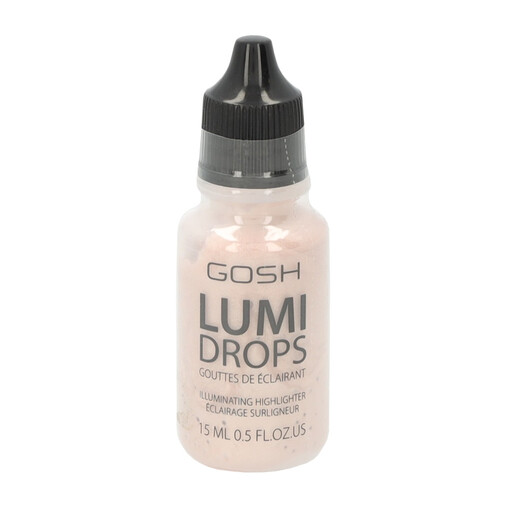
Why this product suits the profile: The cream is intended for daily use in the morning and/or evening, combining glycerin, shea butter, Sodium Hyaluronate and a peptide in a 50 ml pack.
The product information specifies particular moisturising and application properties rather than relying solely on an age-related or performance claim. Nevertheless, check the INCI list against your own tolerance to fragrance before buying.
24-hour moisturising claim according to the product description; contains glycerin and Sodium Hyaluronate.
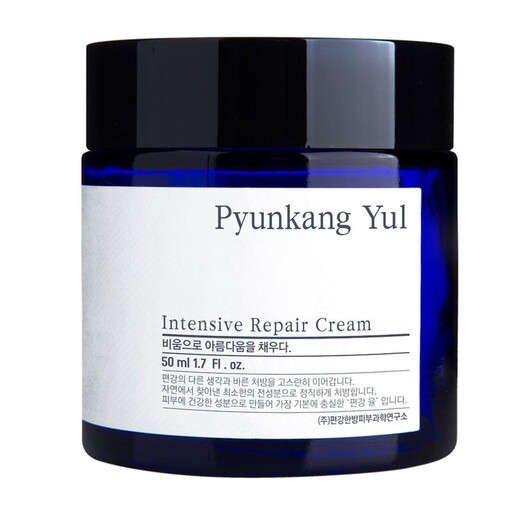
Why this product suits the profile: This Korean face cream is designed for dry skin and contains ceramides, shea butter, macadamia oil and peptides.
The formula contains several moisturising and replenishing ingredients. This allows you to base your choice more on the skin barrier and texture than on marketing terms.
Ceramide NP and glycerin in the INCI list; suitable for use morning and evening.
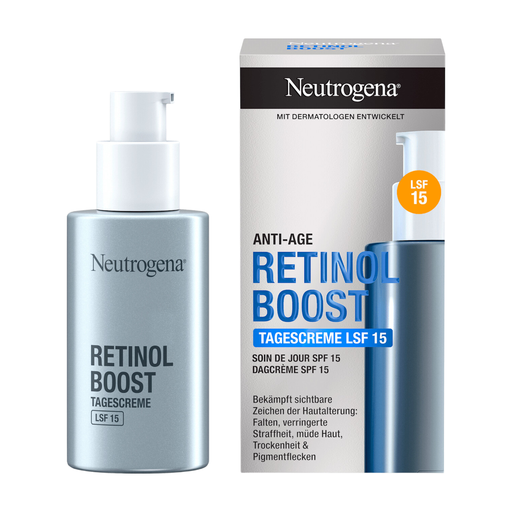
Why this product suits the profile: According to the product information, this day cream combines 0.1% retinol, hyaluronic acid and SPF 15. A gradual introduction is recommended for those new to retinol.
The retinol content and introduction recommendation are clearly stated. SPF 15 should not be treated as complete sun protection for spending long periods outdoors.
0.1% retinol according to the product information; hyaluronic acid and SPF 15 in a daytime formulation.
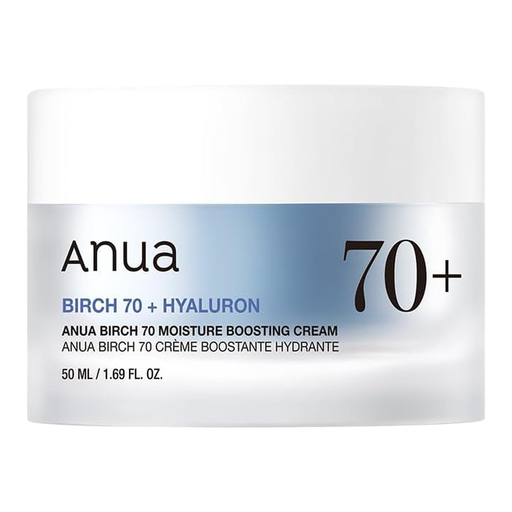
Why this product suits the profile: The lightweight formula contains birch water, panthenol, squalane and betaine, and is intended for use morning and evening.
This choice is based on the stated texture and the specific moisturising ingredients listed. If you are sensitive to fragrance, take parfum in the INCI list into account.
Panthenol, squalane and betaine according to the INCI list; lightweight texture for morning and evening use.
We have put together a complete, regularly updated list of products that fully meet these strict selection criteria and the safety regulations applicable in the EU.
A simple routine can consist of cleansing, serum or toner, and face cream. Apply a small amount of cream to your face and neck. If your skin is dry, a slightly richer layer may be beneficial; with combination skin, a thinner application to the T-zone is often sufficient.
New active ingredients should not be introduced at the same time. Stop using the product if you experience burning, redness or itching. The product packaging remains the definitive source of information, as INCI lists, batch details and application instructions may change.
The best-before date and the open-jar symbol on the packaging are the key references. After opening, take out the cream hygienically, keep it tightly closed and protect it from direct sunlight and excessive heat.
For a face cream for dry skin, glycerin, shea butter, squalane, oils, panthenol or ceramides can provide useful guidance. However, texture, fragrance tolerance and how the product feels on your skin remain decisive. If skin problems persist, seek dermatological advice.
That depends on the specific use and your exposure to the sun. SPF 15 or SPF 30 in a day cream can complement a daily routine. For longer periods outdoors, separately applied sun protection offering adequate protection and regular reapplication is generally more predictable.