
Lieferung heute & morgen

Qualitätsgarantie

Willkommens-Angebote freischalten: KOSTENLOSE Lieferung | Bis zu 80 % RABATT | Kostenlose 30-Tage-JoyPlus-Testphase
App herunterladen
Dark spots, an uneven skin tone or dull-looking skin can quickly lead to unrealistic expectations when buying a face cream. Terms like "brightening cream" or "illuminating face cream" sound straightforward, but on their own they reveal little about the formulation, skin compatibility or daily use. As Joybuy Product Recommendation Officer, I’ll give you a clear, factual breakdown of the most important selection criteria, so marketing claims don’t end up making the decision for you.
Vitamin C, niacinamide, tranexamic acid and retinol are often associated with a more even complexion. What really matters, however, is the specific form, the concentration, the stability of the formula and how well your skin tolerates it. For example, one vitamin C cream may contain a vitamin C derivative, while another formulation uses pure ascorbic acid. These products cannot automatically be judged as equal.
Pigment changes can become more noticeable due to UV exposure. A cream for hyperpigmentation is therefore not a substitute for sun protection. With products containing retinol or alpha-hydroxy acids, such as glycolic acid, manufacturers often explicitly recommend daily sun protection. This is especially important for the MartiDerm Pro-Reg 15 Cream with 15% AHA and for retinol creams.
Dry and mature skin often benefits from a nourishing anti-ageing face cream with glycerin, oils or shea butter. For oily or blemish-prone skin, however, a heavy texture can feel uncomfortable. Fragrance, essential oils or alcohol are also relevant points to check for sensitive skin. The INCI list on the packaging is therefore more important than the product name.
If you’re specifically looking for a cream for dark spots, start by deciding on your main focus:
None of these statements represent a medical efficacy claim. For persistent or changing skin spots, a dermatological assessment is advisable.
A moisturiser for radiant skin should fit into your own skincare routine. Gel creams are often lightweight and absorb quickly, while richer creams may contain more lipids and nourishing oils. For sensitive skin, fragrance-free products or formulations with soothing ingredients like panthenol and centella asiatica are worth considering. If you’re sensitive to fragrance, look out for terms like Parfum, Limonene, Linalool or essential oils in the INCI list.
Before buying, check the following points:
Always test new products on a small area of skin first. If redness, burning, swelling or a rash occurs, stop using it. The current ingredient list on the product packaging takes priority, as formulations can change.
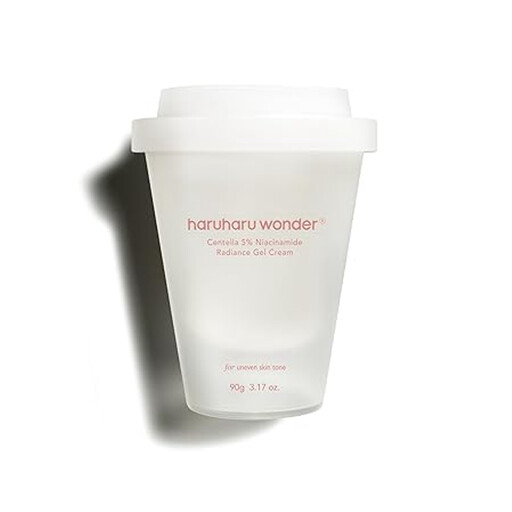
Why this product fits the profile: This lightweight gel cream contains 5% niacinamide, centella extract, squalane and vitamin C. The fragrance-free texture is designed for a straightforward morning or evening routine.
The stated niacinamide percentage makes the ingredient profile more transparent than a simple glow claim. The application remains focused on a daily moisturiser.
5% niacinamide, 3.8% centella leaf water, 2% squalane and a fragrance-free gel texture.
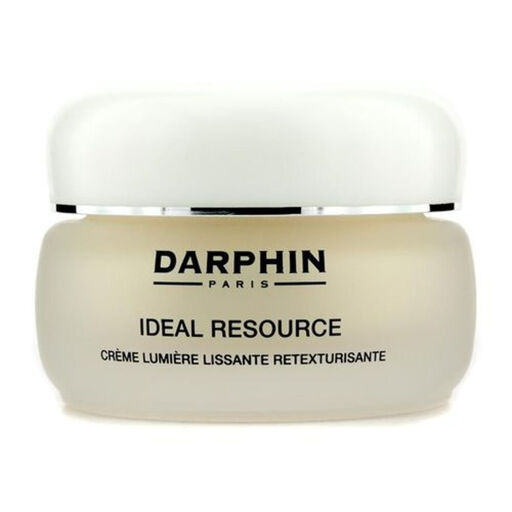
Why this product fits the profile: According to the product description, this rich cream is aimed at normal to dry skin and combines humectants like glycerin and sodium hyaluronate with plant extracts.
The target audience of normal to dry skin is clearly stated. Additionally, check the INCI list for alcohol and fragrance if your skin is sensitive.
50 ml cream with sodium hyaluronate, glycerin, squalene and a vitamin C derivative.
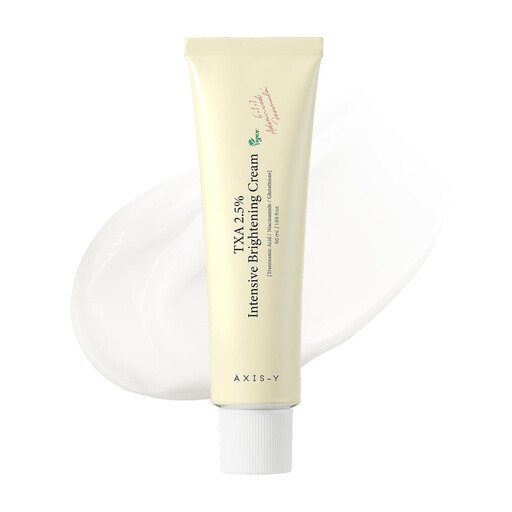
Why this product fits the profile: The formulation lists 2.5% tranexamic acid, niacinamide, ceramides and several humectants. This makes it interesting for shoppers looking for a clearly defined ingredient profile.
The concentration of tranexamic acid is specifically stated. At the same time, the product information advises sun protection and discontinuing use if irritation occurs.
2.5% tranexamic acid, niacinamide, ceramide NP, panthenol and hyaluronic acid derivatives.
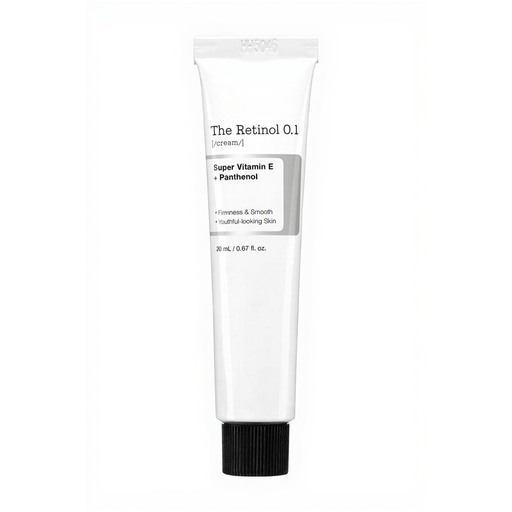
Why this product fits the profile: With 0.1% retinol, this cream is designed, according to the product description, for people who want to gradually introduce retinol into their evening skincare routine.
The concentration is stated and the usage is described with a slow build-up phase. This reduces the risk of starting too frequently with an active ingredient.
0.1% retinol, panthenol, adenosine and several forms of hyaluronic acid; apply in the evening.
We’ve put together a full, regularly updated list of products that fully meet these strict selection criteria and the safety regulations in force in the EU.
That depends on the formulation, your skin type and your starting point. A daily skincare product should be used consistently over several weeks and combined with sun protection. With retinol or AHA products, a gradual increase according to the manufacturer’s instructions makes sense. Visible changes cannot be reliably guaranteed for every individual.
Combining them is essentially a question of the specific formulation and your individual tolerance. For a clear routine, it’s usually sensible to introduce only one new active product at a time. Retinol and AHA products should not be started simultaneously without careful consideration. If you have sensitive skin, professional advice from a dermatologist is recommended.
The price depends on factors including pack size, brand, active ingredient concentration and texture. More important than the individual price are the usable amount, daily tolerance and whether you also need to buy a separate sun protection product. A transparent comparison of the INCI list helps you to more objectively evaluate products with a similar purpose.