
Lieferung heute & morgen

Qualitätsgarantie

Willkommens-Angebote freischalten: KOSTENLOSE Lieferung | Bis zu 80 % RABATT | Kostenlose 30-Tage-JoyPlus-Testphase
App herunterladen
Pigmentation, acne scars and an uneven skin tone are often caused by UV exposure, previous blemishes or hormonal changes. A face cream for pigmentation can complement your daily skincare routine. However, formulations vary considerably. Some products mainly provide moisture, while others combine brightening ingredients with exfoliating components or retinoids.
A cream can make the complexion appear more even immediately through light-reflecting pigments. This is an instant cosmetic effect and does not necessarily indicate a change in pigmentation. Therefore, check whether the INCI list also includes ingredients such as niacinamide, vitamin C derivatives, alpha-arbutin or tranexamic acid.
A cream for hyperpigmentation containing retinol, AHAs or salicylic acid is not automatically suitable for every skin type. Using several active products at the same time can cause redness, tightness or flaking. Sensitive skin often benefits from a simple, fragrance-free moisturiser for pigmentation and the gradual introduction of individual active ingredients.
UV exposure can encourage the development of visible discolouration. A brightening face cream therefore does not replace separate sun protection. Apply a suitable broad-spectrum product during the day. This step is particularly important when using products containing retinol or acids, as the skin may react more sensitively.
The order of the ingredients provides a general indication of their proportion, but it does not replace a complete product assessment. The current ingredients list on the packaging is decisive, as formulations may change.
Creamier textures containing glycerin, squalane, ceramides or hyaluronic acid are often suitable for dry or mature skin. A lightweight gel cream may feel more comfortable on combination skin. If you are prone to irritation, look specifically for fragrance-free products and check the ingredients list for essential oils.
Ingredients that are sensitive to light and air benefit from suitable packaging. Also check:
A new cream should first be tested on a small area of skin. If irritation persists, discontinue use and seek medical advice if necessary. Noticeable or changing areas of skin should be assessed by a dermatologist, regardless of any cosmetic skincare routine.
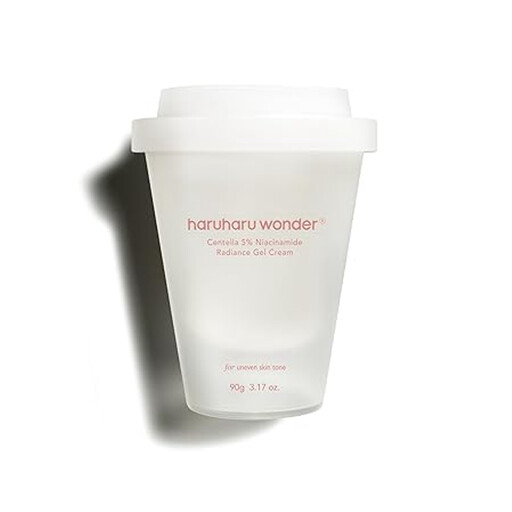
Why this product suits this profile: The 90 g gel cream combines 5% niacinamide with Centella Asiatica leaf water, squalane and vitamin C. Its lightweight texture is suitable for a straightforward morning or evening routine.
Alongside niacinamide, the ingredients list includes moisturising and soothing components. This makes it easier to introduce the product gradually without combining several potent active ingredients.
Fragrance-free according to the product description, 5% niacinamide, 2% squalane and a gel cream texture.
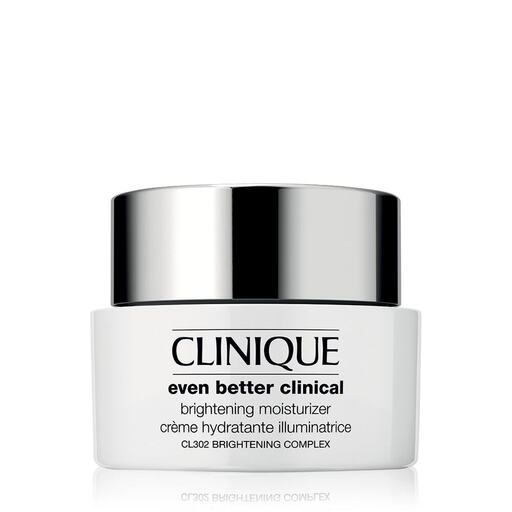
Why this product suits this profile: The 50 ml formulation is designed for those looking for a fragrance-free moisturiser with hydrating properties and clearly stated brightening ingredients.
The product details state that the formulation is fragrance-free and allergy-tested. The current INCI list should also be checked against your own skin’s tolerance before purchase.
Ascorbyl Glucoside, Acetyl Glucosamine, hyaluronic acid and 50 ml content according to the product description.
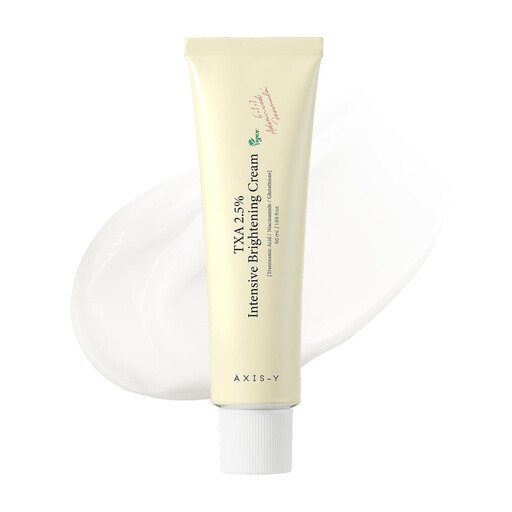
Why this product suits this profile: This Korean face cream is aimed at users specifically looking for tranexamic acid and niacinamide in their daily skincare routine.
The product details explicitly state a concentration of 2.5% tranexamic acid. This makes it easier to make an informed choice than relying on a general term such as brightening cream.
2.5% tranexamic acid, niacinamide, Ceramide NP and several forms of hyaluronic acid according to the ingredients list.
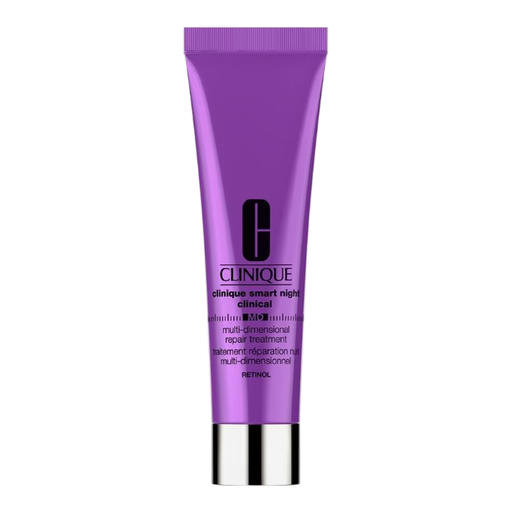
Why this product suits this profile: The cream contains retinol, ascorbic acid, niacinamide and hyaluronic acid. Its recommended use every other evening may be helpful for a controlled retinol routine.
The product details advise gradual use, warn of possible initial reactions and recommend avoiding other retinol products.
Fragrance-free and non-comedogenic according to the product description, with 30 ml content and retinol as an ingredient.
We have put together a complete, regularly updated list of products that fully meet these strict selection criteria and the safety regulations applicable in the EU.
This depends on your skin type, the cause of the discolouration and the formulation. Cosmetic changes cannot be assessed after just a few applications. A consistent routine and daily sun protection are more important than frequently switching products.
In principle, these active ingredients can all form part of a skincare routine. However, if your skin is sensitive or not yet accustomed to active ingredients, it is sensible to use them at separate times or introduce them one at a time. Follow the specific manufacturer’s instructions and check the current ingredients list.
Look for a manageable INCI list, fragrance-free products and moisturising ingredients such as glycerin, panthenol or ceramides. Test the cream on a small area of skin before using it regularly. Discontinue use if you experience any discomfort.