
Lieferung heute & morgen

Qualitätsgarantie

Willkommens-Angebote freischalten: KOSTENLOSE Lieferung | Bis zu 80 % RABATT | Kostenlose 30-Tage-JoyPlus-Testphase
App herunterladen
Dark spots, a dull complexion and uneven skin tone can have many causes. A face cream for pigmentation should therefore not be chosen based on a flashy "brightening" promise alone. What really matters are the active ingredients, how well your skin tolerates them, and consistent sun protection.
If you are looking for a brightening face cream, a niacinamide cream or a vitamin C cream, you will quickly come across many similar product claims. However, some typical buying decisions can mean the cream doesn't suit your skin or fit into your daily routine.
A cream can contain ingredients like niacinamide, vitamin C derivatives or alpha-arbutin without offering any declared UV protection. This is true, for example, of many night creams and Korean skincare products. Without separate sun protection, your skin can remain exposed to UV radiation.
So look for the specific mention of SPF and, where applicable, UVA protection. A moisturiser with SPF can simplify your morning routine, but it does not automatically replace the need to reapply after heavy sweating, swimming or drying off.
Vitamin C, niacinamide, tranexamic acid, alpha-arbutin, and AHA and BHA acids are often combined in products for uneven skin tone. However, the INCI list also shows whether fragrances, essential oils or exfoliating acids are included.
For sensitive skin, a formula with several active components may not be suitable. A patch test on a small area of skin can help you assess individual tolerance before regular use. If you experience redness, stinging or persistent irritation, stop using the product.
Shimmering pigments, tinted textures or a dewy finish can make your complexion appear more radiant immediately. This optical effect is different from longer-term care that targets visible unevenness. So check whether the product actually contains suitable active ingredients and whether the desired effect is more immediate or expected with continuous use.
A gel-cream may feel more comfortable for oily or combination skin, while a richer cream may be preferred for dry or mature skin. Ingredients such as glycerin, panthenol, ceramides and hyaluronic acid indicate moisturising or barrier-supporting care components. If you are sensitive to fragrance, pay attention to perfume and declared fragrance ingredients on the list.
Products with SPF30, such as a day cream or sun lotion, can be practical for the morning. Pay attention to the recommended amount and apply the product evenly to your face and neck. If you are spending a long time outdoors, reapplication according to the usage instructions is necessary.
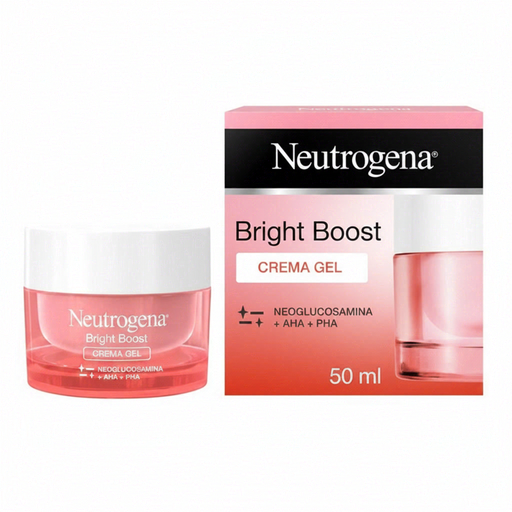
Why this product suits the profile: This lightweight gel-cream contains, according to the product information, niacinamide, salicylic acid, glycerin and sodium hyaluronate. The 50 ml size is ideal for a straightforward daily skincare routine.
The product description specifically names the care components it contains. At the same time, the INCI list highlights salicylic acid and fragrance, so those with sensitive skin should check tolerance beforehand.
Lightweight gel-cream, 50 ml content and niacinamide in the ingredients list. Additional sun protection is needed in the morning.
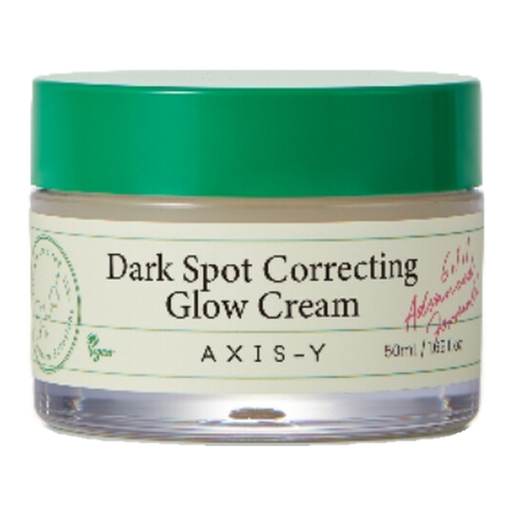
Why this product suits the profile: The stated formula combines 2% alpha-arbutin, 5% niacinamide and ceramide NP. The gel-like texture is designed for easy application without a sticky feel on the skin.
The concentrations of the two highlighted active ingredients are specifically stated. This makes it easier to compare with products that only advertise "brightening" in a general way.
Alpha-arbutin, niacinamide and ceramide NP in a fragrance-free gel-cream according to the product information.
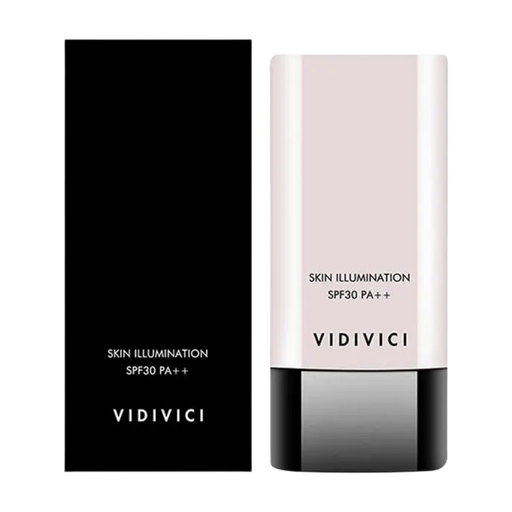
Why this product suits the profile: This sun lotion combines SPF30 with niacinamide, a vitamin C derivative and hyaluronic acid. It suits those who want to integrate UV protection into a single daily skincare step.
The sun protection factor is clearly stated and not just inferred from a "glow" promise. For prolonged outdoor activity, the usage instructions for reapplication should be followed.
SPF30, PA++ as well as vitamin C derivative, niacinamide and hyaluronic acid according to the product description.
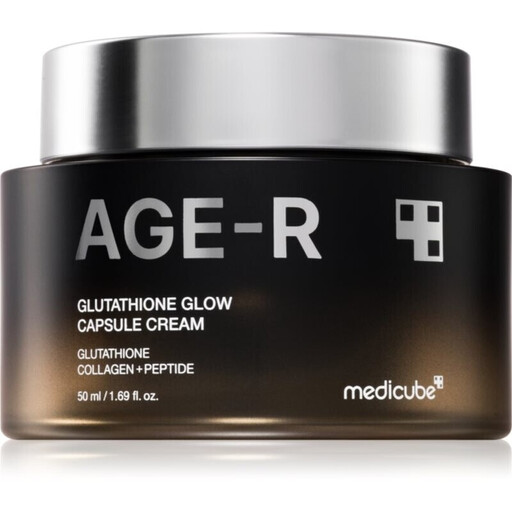
Why this product suits the profile: According to the INCI list, this gel-cream contains glycerin, niacinamide, ceramide NP, adenosine and peptides. It is therefore aimed at a skincare routine where hydration and a supple skin feel are the focus.
This cream is not classified as a sun protection product: the product information explicitly states no SPF. Therefore, a separate UV product must be used during the day.
50 ml content as well as glycerin, niacinamide and ceramide NP in a gel-cream formulation according to the ingredients list.
We have put together a complete, regularly updated list of products that fully meet these strict selection criteria and the safety regulations in force in the EU.
Start with a small amount on cleansed skin and do not introduce several new active ingredients at once. For products containing acids or vitamin C derivatives, a gradual increase in use is sensible. The packaging provides information on the best-before date, batch number and PAO symbol. Store the cream according to the manufacturer's instructions, usually in a cool, dry place away from direct sunlight.
Pigment changes can have various causes. If you notice new, changing or unusual skin spots, you should seek a dermatological assessment. Cosmetic skincare does not replace medical diagnosis or treatment.
A visible change cannot be given a general timeframe. What matters is regular use, tolerance and daily UV protection. Do not judge your skin after just a few days; instead, follow the usage instructions for the specific product.
Both ingredients appear together in many formulations. However, individual tolerance can vary, especially with sensitive skin or when also using AHA or BHA. New products should be introduced gradually and first tested on a small area.
That depends on the situation in which you use it. For everyday life, SPF30 can be a practical part of your morning routine. For prolonged direct sun exposure, sweating, swimming or drying off, the protection must be reapplied according to the manufacturer's instructions. Also check whether UVA protection is stated alongside the SPF.