
Lieferung heute & morgen

Qualitätsgarantie

Willkommens-Angebote freischalten: KOSTENLOSE Lieferung | Bis zu 80 % RABATT | Kostenlose 30-Tage-JoyPlus-Testphase
App herunterladen
Dark spots, acne scars or an uneven skin tone can be effectively addressed with the right facial skincare. However, the choice is vast: a cream for dark spots on the face can hydrate, visually even out the complexion, or contain a skin-renewing active ingredient. Not every so-called brightening cream suits every skin type.
Names like "Glow", "Brightening" or "lightening face cream" often describe the desired effect on the skin, but not automatically the concentration of active ingredients used. Therefore, check the INCI list and look out for whether relevant ingredients such as niacinamide, vitamin C derivatives, tranexamic acid or alpha-hydroxy acids are included.
A cream for hyperpigmentation containing several acids, retinol or various forms of vitamin C is not automatically suitable for daily use. For sensitive, dry or blemish-prone skin, an overly intensive routine can lead to tightness, redness or visible flaking. New products should always be tested on a small area of skin first.
UV radiation can influence the formation and visibility of dark spots. A face cream for pigmentation does not replace sun protection unless it has a stated SPF. In the morning, a broad-spectrum sunscreen with at least SPF 30 should therefore be part of your skincare routine. This step is particularly important with products containing AHA or retinol.
Niacinamide is a commonly used ingredient in a niacinamide cream. The product descriptions in this selection mention, for example, 5 % in several formulations. This ingredient is often associated with a more even appearance and a supported skin barrier.
A tranexamic acid cream can be an alternative for those seeking an active skincare product without a classic exfoliating acid. With the AXIS-Y TXA 2.5% Intensive Brightening Cream, the concentration of 2.5 % is clearly stated in the product name. It also contains niacinamide, ceramide NP and several forms of hyaluronic acid.
With a vitamin C face cream, you should distinguish whether pure ascorbic acid or a stabilised derivative is used. Derivatives such as ascorbyl glucoside or tetrahexyldecyl ascorbate can differ from pure ascorbic acid in terms of texture and application.
Dry or mature skin often benefits from a richer cream base containing glycerin, shea butter, squalane, ceramides or hyaluronic acid. For combination and oily skin, a light gel-cream can be more comfortable. Also check whether fragrances are included if your skin is sensitive.
AHA products such as the Martiderm Pro-Reg 15 Cream contain, according to the product information, 15 % glycolic acid and are intended for evening use. Such a product should not be used simultaneously with retinol or other exfoliants without careful consideration.
With retinol products, a gradual introduction is recommended. The respective manufacturer's instructions, warnings and the current ingredient list on the packaging are decisive. If irritation, swelling or severe redness persists, discontinue use and seek dermatological advice.
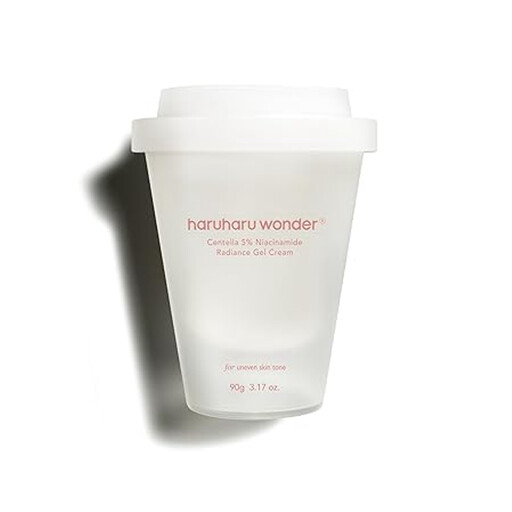
Why this product fits the profile: This lightweight gel-cream combines 5 % niacinamide with centella asiatica leaf water, making it a straightforward introduction to Korean facial skincare for pigmentation.
The product information states a clear niacinamide concentration and a fragrance-free formulation. This makes it easier to match the choice to your own skincare needs.
Lightweight gel texture, 5 % niacinamide, 2 % squalane and 90 g content.
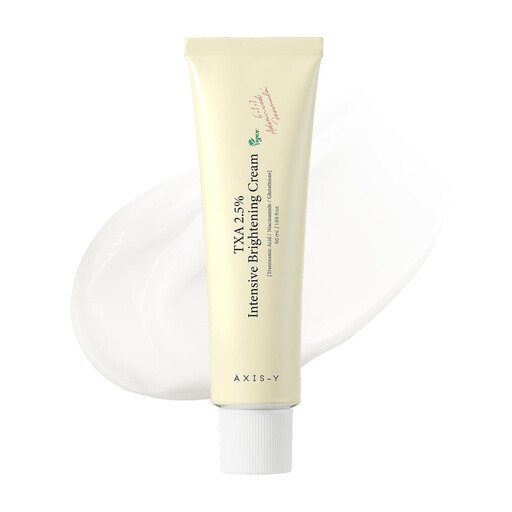
Why this product fits the profile: The formulation is aimed at buyers looking for a clearly declared tranexamic acid cream with additional moisturising and barrier-supporting ingredients.
The active ingredient concentration of 2.5 % tranexamic acid is stated directly in the product name. Additionally, niacinamide, panthenol and ceramide NP are listed in the ingredients.
50 ml content, tranexamic acid, niacinamide, ceramide NP and several forms of hyaluronic acid.
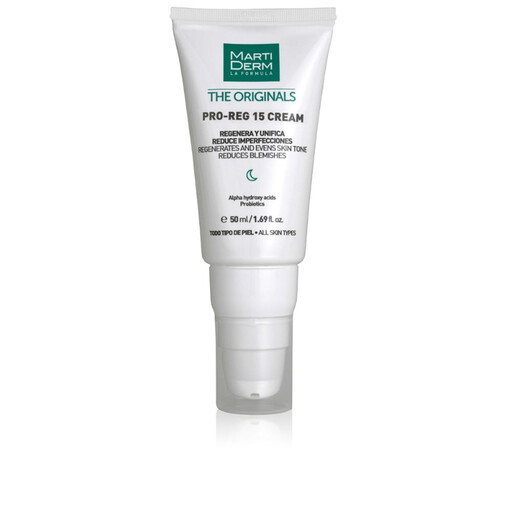
Why this product fits the profile: Suitable for those seeking a clearly defined evening skincare product with AHA, and who want to consciously orient their routine around a more intensive exfoliant.
The product description states 15 % glycolic acid and evening use. This makes the intensity easier to assess than with a vaguely defined "renewal" cream.
15 % AHA, 50 ml content and explicitly intended for use as a night treatment.
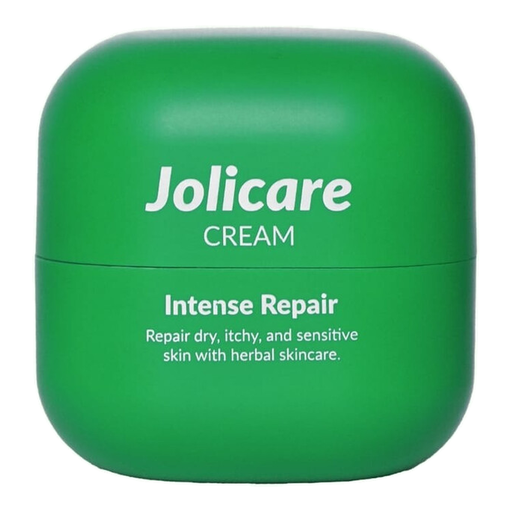
Why this product fits the profile: This spot cream is designed for targeted application on individual problem areas and does not need to be applied all over the face.
The product information describes a thicker texture and application directly onto the affected area. This distinguishes it from a classic face cream for the entire face.
20 ml content, centella asiatica extract, niacinamide and a designated spot application.
We have compiled a complete, regularly updated list of products that fully meet these strict selection criteria and the safety regulations in force in the EU.
If new, changing or unusually looking spots appear, a dermatological evaluation is advisable. Cosmetic products are not intended for the diagnosis or treatment of skin diseases.
A fragrance-free, hydrating formulation with a moderate active ingredient profile can be a sensible starting point. Check the full ingredient list and perform a patch test before applying it to a larger area. Even a fragrance-free cream can cause reactions in individuals with specific sensitivities.
The best-before date and the PAO symbol on the packaging are decisive; this may indicate, for example, "12M" for twelve months after opening. Store the cream in a cool, dry place away from direct sunlight. Changes in smell, colour or consistency are a reason to stop using the product.
A brightening cream can also be used in the evening. However, for morning use, you should additionally apply a suitable sunscreen unless the cream has a sufficient SPF. This is particularly important for formulations with AHA, retinol or certain vitamin C products.