
Lieferung heute & morgen

Qualitätsgarantie

Willkommens-Angebote freischalten: KOSTENLOSE Lieferung | Bis zu 80 % RABATT | Kostenlose 30-Tage-JoyPlus-Testphase
App herunterladen
Pigmentation spots, an uneven skin tone or a dull complexion can have various causes. The right face cream for pigmentation spots should therefore do more than just promise “brightening” – it needs to suit your skin type, your skincare routine and your daily UV exposure.
Many poor purchases come down to three typical marketing pitfalls:
UV radiation can encourage the development of visible discolouration. With a day cream with SPF, the stated sun protection factor should be clearly marked on the packaging. The NIVEA Cellular Luminous630 Anti-Pigment Spot Day Care Fluid is described as having SPF 50. Even so, a day cream with sun protection doesn’t automatically replace the need for careful application and reapplication during prolonged sun exposure.
For the evening, a night cream for pigmentation spots without SPF is often more practical, as the focus here is on active skincare ingredients and skin tolerance.
Terms like “brightening cream”, “anti-pigmentation cream” or “cream for hyperpigmentation” only describe the product’s positioning. What really matters is the INCI list:
A rich anti-ageing face cream can be pleasant for dry skin, while a light gel cream suits combination skin or a warm indoor climate better. For sensitive skin, it’s worth checking for fragrances such as “parfum”, as well as alcohol and essential oils.
Before using any product over a large area for the first time, it’s advisable to test it on a small patch of skin. If persistent irritation, swelling or a strong burning sensation occurs, stop using the product and seek medical advice if necessary. Cosmetic skincare is not intended for treating unclear skin changes.
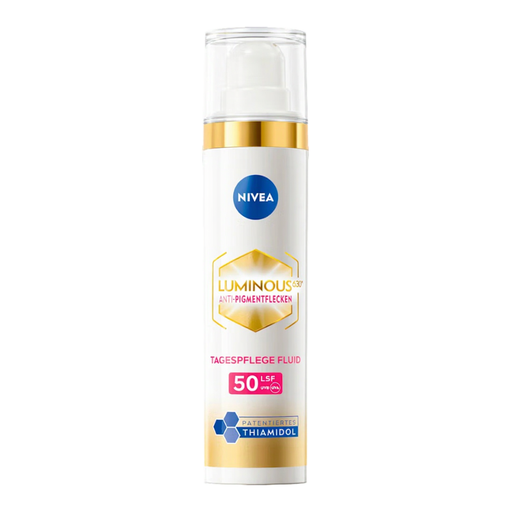
Why this product fits the profile: This fluid combines a light texture with SPF 50, making it ideal for a straightforward morning routine. According to the product description, it contains LUMINOUS630, vitamin E and hyaluronic acid.
The stated SPF 50 makes a lack of daytime sun protection less of a concern. Fragrance is listed in the INCI, so sensitive skin should take note.
SPF 50, hyaluronic acid and a fluid consistency for morning use.
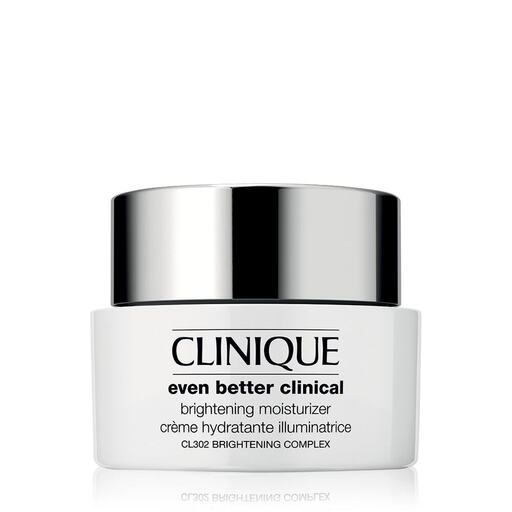
Why this product fits the profile: The fragrance-free formulation contains, according to the product information, hyaluronic acid, ascorbyl glucoside and acetyl glucosamine. This suits a structured skincare routine for an even complexion.
The “fragrance-free” label reduces a common conflict for those with scent-sensitive skin. For daytime use, a separate broad-spectrum sunscreen is recommended.
Fragrance-free formula and moisturising care with hyaluronic acid.
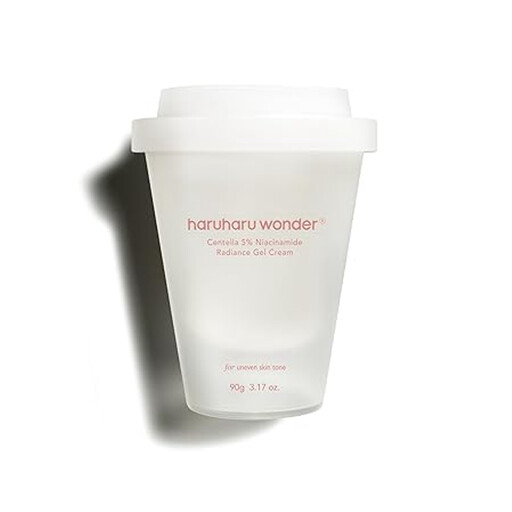
Why this product fits the profile: According to the INCI, this gel cream contains 5% niacinamide, centella asiatica leaf water, 2% squalane and vitamin C. The light, fragrance-free texture is suitable for daily use, both morning and evening.
The formula is labelled as fragrance-free and combines several skincare ingredients without using a heavy cream base. Individual tolerance should still be checked.
5% niacinamide, fragrance-free gel texture and moisturising care with squalane.
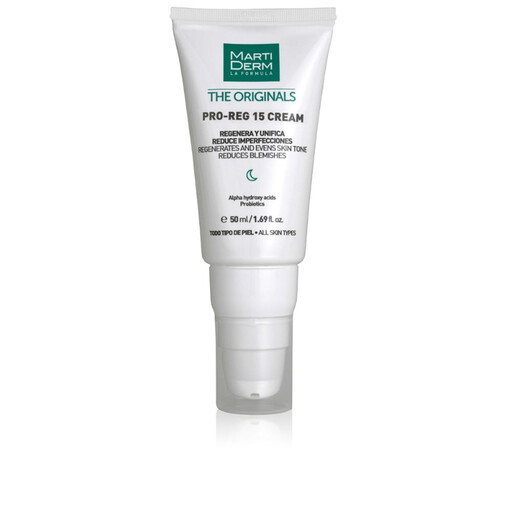
Why this product fits the profile: According to the product description, this night cream contains 15% glycolic acid, collagen and tocopherol. It is aimed at users who want to incorporate targeted AHA use into their evening routine.
The high AHA concentration is clearly stated, making it easier to plan your usage. If irritation occurs, pause use and apply sun protection consistently during the day.
Clearly stated 15% glycolic acid and defined use as an evening treatment.
A simple routine is usually easier to stick to than starting several active-ingredient products at once:
If you notice new, changing or irregular spots, you should seek a dermatological assessment. A face cream for pigmentation spots is a cosmetic skincare product and not a substitute for a diagnosis.
We’ve put together a full, regularly updated list of products that fully meet these strict selection criteria and the safety regulations in force in the EU.
That depends on the formulation, your skin’s tolerance and your daily routine. A visible change cannot be reliably guaranteed for all users. With acids and retinol, you should increase usage gradually. Always follow the instructions on the packaging and product page.
Both groups of ingredients appear in many skincare routines. For sensitive skin, it’s sensible to introduce only one new product at a time. If stinging, redness or flaking occurs, simplify your routine.
A night cream can supply your skin with selected active ingredients and moisture. However, UV protection remains an important part of your daytime routine, especially if you are using acids, retinoids or products positioned as brightening.