
Lieferung heute & morgen

Qualitätsgarantie

Willkommens-Angebote freischalten: KOSTENLOSE Lieferung | Bis zu 80 % RABATT | Kostenlose 30-Tage-JoyPlus-Testphase
App herunterladen
Red, tight or easily irritated facial skin has special requirements when it comes to daily care. A face cream for redness-prone sensitive skin should not only provide moisture, but also suit your individual skin needs, preferred texture and wider skincare routine.
Terms such as “Calming”, “Sensitive” or “Anti-Redness” are product descriptions rather than a guarantee of personal tolerance. Plant extracts, essential oils, fragrances or alcohol can also trigger unwanted reactions in some people. That is why it is worth checking the complete INCI list.
Dry, flaky skin may benefit from richer care. However, a heavy texture can feel uncomfortable on combination or oily skin, or if you are prone to blemishes. A lightweight soothing face cream or gel cream is often more practical if you plan to use it under sun protection or make-up.
A cream can support your daily skincare routine, but it does not replace a dermatological assessment. Persistent redness, burning, swelling, weeping areas or recurring symptoms should be assessed by a doctor. This is particularly important if rosacea, eczema or a contact allergy is suspected.
For a skin barrier strengthening routine, ingredients such as glycerine, hyaluronic acid, panthenol, squalane, ceramides or skin-identical lipids are relevant. They can support the care of dry and tight-feeling skin. However, the formulation as a whole is what matters, not one highlighted active ingredient.
A moisturiser for sensitive skin should also suit the time of year: a cream with a higher lipid content may be useful in winter, while a lightweight texture can feel more comfortable in summer.
If you are sensitive to fragrances, look specifically for a fragrance-free formula. Products containing essential oils or fragrance components deserve particular scrutiny. “Hypoallergenic” describes a product positioning and is not an absolute guarantee of tolerance.
Practical features matter when it comes to daily facial care:
Before using a product for the first time, a patch test on a small area of skin is recommended. If you experience burning, itching, a rash or increasing redness, stop using the product. The current ingredients list on the packaging is the one that matters.
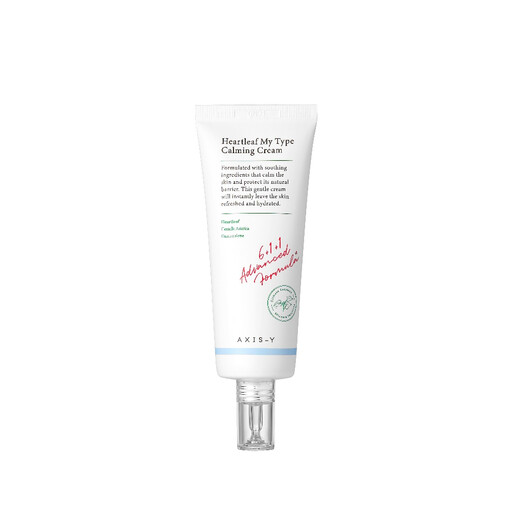
Why this product suits this profile: The lightweight gel cream texture will appeal to anyone looking for straightforward daily care without a rich, heavy feel on the skin. According to the product information, it contains Houttuynia cordata extract, Centella asiatica, glycerine and sodium hyaluronate, among other ingredients.
The water-based, fast-absorbing texture addresses the risk of a cream feeling too heavy. Even so, the ingredients list should be checked before purchase and whenever the formulation changes.
60 ml, lightweight gel cream and, according to the product information, vegan and made without animal testing.
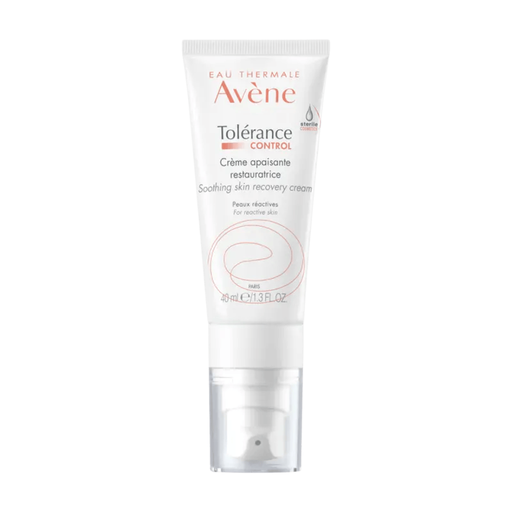
Why this product suits this profile: According to the product information, the fragrance-free and preservative-free formula is intended for hypersensitive and reactive skin. The airtight packaging will appeal to buyers who prefer a streamlined formulation.
The information stating that it is free from fragrance and preservatives can help with pre-selection, but it cannot prevent an individual reaction. A tolerance test is still advisable.
40 ml, fragrance-free, non-comedogenic according to the product description, and indicated for normal to combination skin.
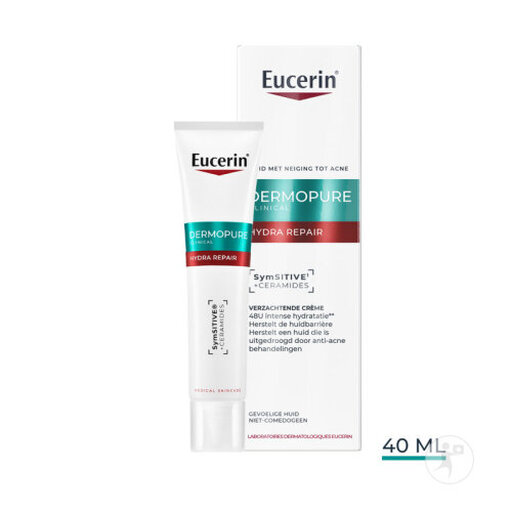
Why this product suits this profile: According to the product information, this moisturiser is intended for sensitive, blemish-prone skin and for use alongside drying acne treatments. It can therefore be incorporated into a targeted facial care routine for sensitive skin.
Its fragrance-free formulation and clearly stated use alongside drying acne treatments make its purpose easier to understand than a general anti-redness marketing claim.
40 ml, fragrance-free according to the product information, with panthenol, squalane and Ceramide NP in the ingredients list.
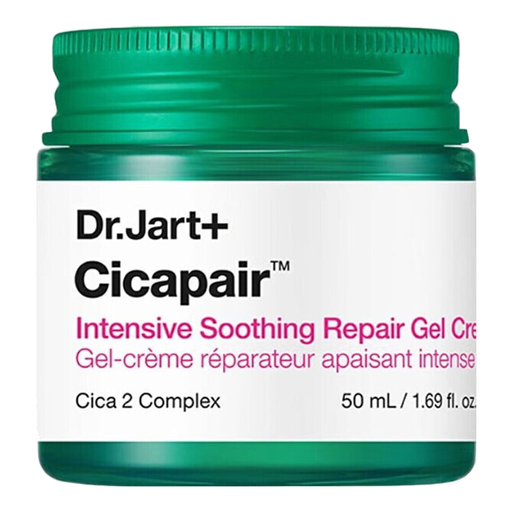
Why this product suits this profile: The green-to-beige colour correction will appeal to anyone who wants to visually reduce the appearance of redness during the day and is looking for skincare with a subtle make-up effect.
The colour-correcting function is clearly distinguished from the skincare benefits: it can visually neutralise redness, but it is not a substitute for dermatological treatment or separate sun protection.
50 ml, Centella asiatica extract and a tint that changes from green to beige, according to the product description.
We have put together a complete, regularly updated list of products that fully meet these strict selection criteria and the safety regulations applicable in the EU.
A simple routine reduces the number of potential sources of irritation:
When using a cream for irritated skin, initially limit application to a small area. If you experience a severe or persistent reaction, dermatological advice is recommended.
This depends on your skin type and the trigger. Fragrance-free formulas containing glycerine, panthenol, ceramides or squalane are often a sensible starting point. For oily or blemish-prone skin, a lightweight gel cream may be more suitable than a rich protective cream.
A gentle moisturiser can form part of your daily routine, but it does not automatically treat rosacea. Recurring facial redness, visible blood vessels, papules, pustules or burning should be assessed by a doctor. New products should be introduced slowly and one at a time.
To assess whether it works well for everyday use, apply it several times over a few days, provided no irritation occurs. If burning, itching, swelling or a rash increases, stop using the cream immediately. Follow the packaging instructions regarding shelf life, period after opening and storage.