
Lieferung heute & morgen

Qualitätsgarantie

Willkommens-Angebote freischalten: KOSTENLOSE Lieferung | Bis zu 80 % RABATT | Kostenlose 30-Tage-JoyPlus-Testphase
App herunterladen
A face cream should hydrate your skin, absorb comfortably and suit your skin type. Yet choosing one can be tricky: packaging often features words such as “Repair”, “Glow” or “Anti-Aging”, which on their own say little about the actual formula. To make an informed choice, focus on the ingredients list, texture and intended use.
“Regenerating”, “rejuvenating” and “soothing” are not clearly defined quality categories. For example, a facial moisturiser may mainly contain glycerin and hyaluronic acid, while a barrier cream may also use ceramides, cholesterol or skin-identical lipids. Always check these claims against the INCI list.
Dry skin often benefits from creamier textures containing oils, shea butter or fatty alcohols. A lightweight gel-cream may feel more comfortable on oily or blemish-prone skin. A very rich face cream is not automatically better for dry skin, and a lightweight formula may not be enough if your skin feels particularly tight.
Retinol, acids and vitamin C products can all be part of an anti-ageing routine. However, if you have sensitive skin, it’s best to introduce them gradually. Start by using a retinol cream sparingly in the evening. Apply sunscreen as part of your routine the following morning. If you’re pregnant or breastfeeding, follow the manufacturer’s advice; according to the product information, use of the Retinol 0.3 Cream is not recommended.
Ceramides are part of the skin’s natural barrier. Combined with cholesterol and fatty acids, they can complement a formula for dry or stressed skin. However, a ceramide cream isn’t automatically necessary for everyone. What matters is how your skin feels, how well it tolerates the product and what else you use in your skincare routine.
Panthenol, Centella asiatica and beta-glucan are often included in soothing face creams. Depending on the product, PDRN creams may contain sodium DNA or polydeoxyribonucleotides. Claims about visible or medical effects shouldn’t be applied across the board, so check the information on the packaging.
A face cream is normally applied after cleansing and any lighter skincare products. If you use active ingredients in your morning routine, follow them with sunscreen. Also bear in mind:
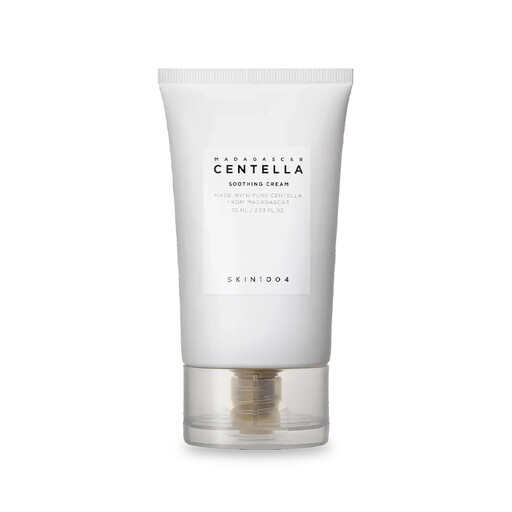
Why this product suits this profile: This lightweight cream is an easy introduction to a daily Korean skincare routine and can be used in the morning or evening.
The description specifies a non-greasy texture and lists ceramides, cholesterol and fatty acids in the formula.
75 ml tube, Centella asiatica extract and several types of ceramide, according to the product information.
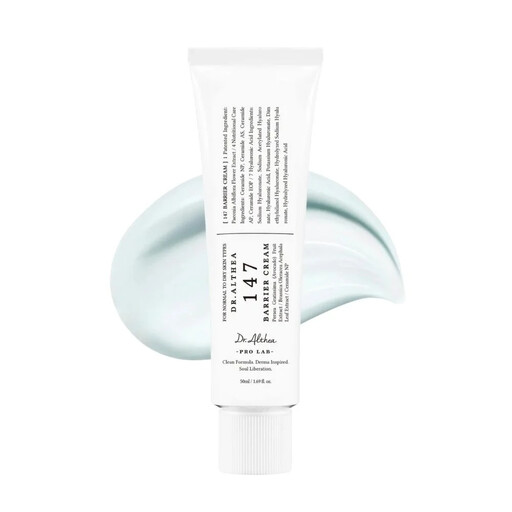
Why this product suits this profile: For anyone looking for a Korean face cream focused on the skin barrier and layered hydration.
The formula lists ceramides and a blend of different forms of hyaluronic acid, rather than relying on a vague promise of hydration.
50 ml, Ceramides NP, AS, AP, NG, NS and EOP, plus several hyaluronic acid derivatives, according to the INCI information.
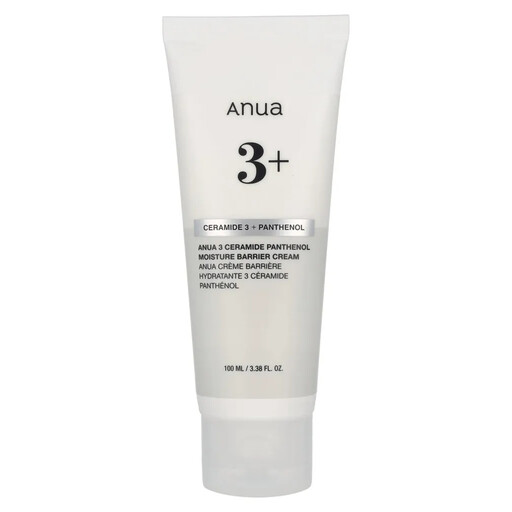
Why this product suits this profile: The larger size is a good fit for households or anyone who uses a barrier cream every morning and evening.
It clearly lists three types of ceramide, panthenol and hydrating ingredients, and describes the texture as lightweight and non-sticky.
100 ml, panthenol, Ceramides NP, AP and EOP, plus Centella extract, according to the product information.
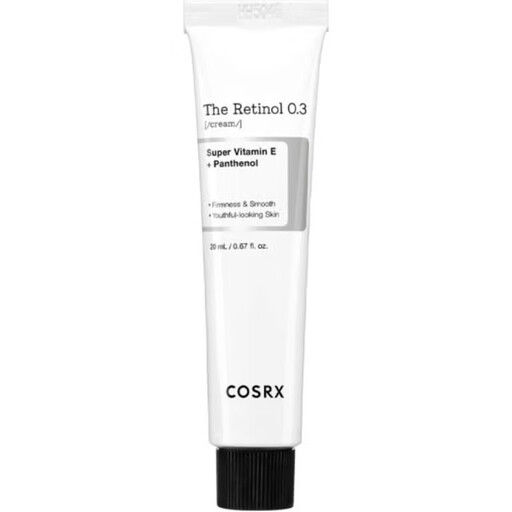
Why this product suits this profile: For anyone already familiar with retinol and looking for a retinol cream with a clearly stated concentration for their evening routine.
The concentration of 0.3% pure retinol is stated. The product information recommends introducing it gradually and storing it in the fridge.
0.3% retinol, panthenol, hyaluronic acid and vitamin E, according to the manufacturer; designed for evening use.
We’ve put together a complete, regularly updated list of products that meet these strict selection criteria and fully comply with the safety regulations in force in the EU.
A face cream for sensitive skin should have a formula that’s easy to understand. Check whether it contains fragrance and try the product on a small area of skin first. Ingredients such as panthenol, Centella asiatica and ceramides are often used in nourishing and soothing formulas. If symptoms persist, cosmetics are no substitute for medical advice.
It depends on how your skin feels and the texture of the cream. You can use a lightweight cream morning and evening, while a richer formula may be better suited to evening use only. Apply a small amount to skin that’s still slightly damp and see whether you notice tightness, shine or irritation.
Check the best-before date and PAO symbol on the packaging. Scoop out the cream with clean hands, close the container straight away and store it somewhere dry, away from direct sunlight. If the smell, colour or consistency changes, stop using the product.