
Lieferung heute & morgen

Qualitätsgarantie

Willkommens-Angebote freischalten: KOSTENLOSE Lieferung | Bis zu 80 % RABATT | Kostenlose 30-Tage-JoyPlus-Testphase
App herunterladen
A face cream should provide moisture, feel comfortable on the skin and fit into your daily routine. However, bold product claims do not automatically mean you have found the right choice. If you focus only on terms such as “anti-ageing”, “glow” or “24-hour hydration”, you can easily overlook important details such as skin type, fragrances, texture and the level of sun protection actually provided.
The Joybuy Product Recommendation Officer selection is therefore based on clear product features and different everyday needs.
Dry skin often needs richer care containing nourishing, replenishing ingredients. Temporarily dehydrated skin, on the other hand, can also occur with combination or oily skin. A rich cream is therefore not automatically the right solution. A light gel cream may be better suited to the T-zone, while drier cheeks may benefit from a texture richer in lipids.
A face moisturiser with SPF can be a practical part of your morning routine. However, the sun protection factor depends on the amount applied and the conditions in which it is used. For prolonged sun exposure, heavy sweating or holidays, a dedicated sun protection product is advisable. SPF 15 or SPF 25 in a face cream does not replace separate sun care in every situation.
Hyaluronic acid, niacinamide, ceramides and plant extracts can all be useful ingredients. However, the complete formula remains the deciding factor. Fragrances may be particularly relevant for people with sensitive skin. Products containing AHA, BHA or other exfoliating ingredients should be introduced gradually. The current INCI list on the packaging is the authoritative source, as formulations can change.
Glycerin helps bind moisture in the outermost layer of the skin. Ceramides, cholesterol and fatty acids are commonly used in formulas designed to care for the skin barrier. Niacinamide is included in many products to support the appearance of the skin and maintain its balance. For sensitive skin, take particular care when checking for added fragrances, essential oils and a high number of active ingredients.
With an anti-ageing cream, claims such as “reduces the appearance of fine lines” depend on specific product information. They do not indicate a medical effect. The same applies to products containing acids: follow the usage instructions, test the product on a small area of skin first and use suitable sun protection during the day.
Face cream is usually applied after cleansing and, where appropriate, after serum. If you wear make-up, you will often prefer a light texture that absorbs quickly. Larger sizes or refill systems may be useful for frequent users. You should also check the best-before date, batch number, PAO symbol and the manufacturer’s instructions.
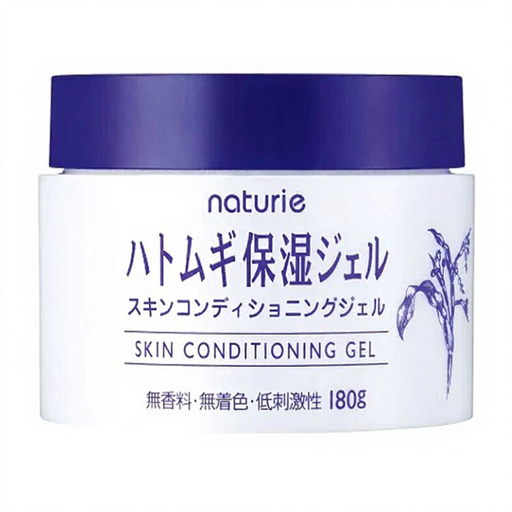
Why this product suits the profile: The generous size and lightweight gel texture are ideal for beginners looking for straightforward facial care that can also be used on the body.
The fragrance-free, colourant-free formula avoids an unnecessarily complex fragrance profile. For sensitive skin, however, the usage instructions and a patch test still apply.
180 g of product, a fast-absorbing gel texture and several ways to use it, including on the face and body and as a make-up base.
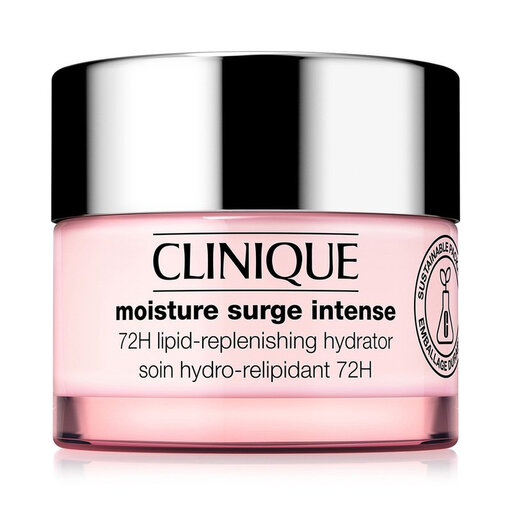
Why this product suits the profile: The cream-gel texture is designed for dry skin and can be used in the morning, evening or on specific dry areas.
The product description explicitly mentions dry skin, a richer cream-gel consistency and a fragrance-free formula.
Lipid-based ingredients, Cica and morning and evening use; according to the product information, it is fragrance-free.
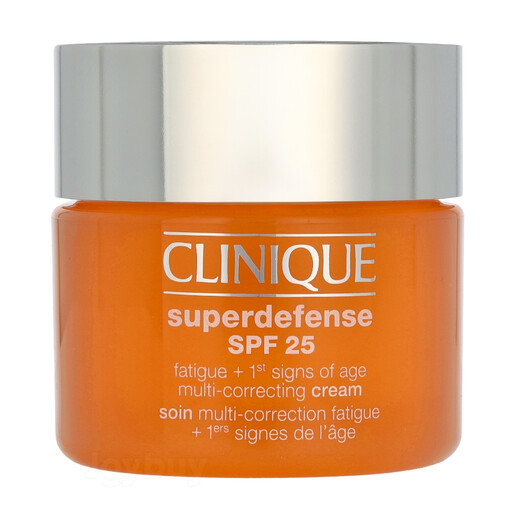
Why this product suits the profile: According to the product information, the light, oil-free gel cream is intended for combination to oily skin and combines daytime moisturising care with SPF 25.
The product description explicitly states that the formula is non-greasy, fragrance-free and resistant to sweat and moisture.
SPF 25, oil-free gel cream, 50 ml of product, plus information on its fragrance-free formula and suitability for skin types 3 and 4.
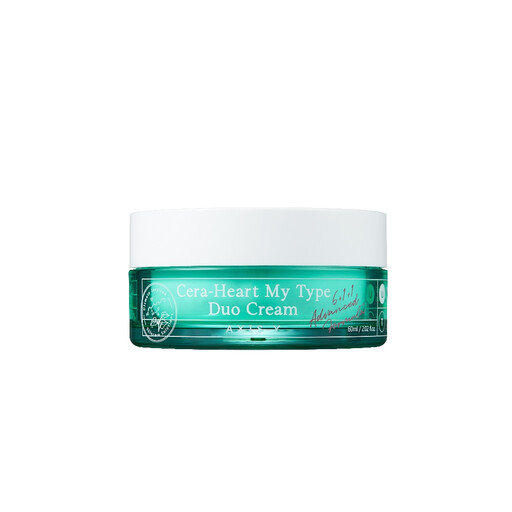
Why this product suits the profile: Two separate formulas allow you to use different products on an oily T-zone and drier cheeks.
Rather than relying on one uniform texture for the entire face, the packaging contains a light T-zone cream and a richer U-zone cream.
30 ml T-zone cream and 30 ml U-zone cream; Ceramide NP in the richer formula and heartleaf extract in the lighter version.
We have put together a complete, regularly updated list of products that fully meet these strict selection criteria and the safety regulations applicable in the EU.
Apply face cream to cleansed skin and start with a small amount when trying a new product. Even with a fragrance-free face cream, the formula may still contain other ingredients to which some people react. Stop using the product if redness, burning or itching occurs.
A Korean face cream is not automatically suitable for every skin type. With K-Beauty products, the INCI list, texture, usage instructions and individual skin compatibility all matter. Products containing AHA or BHA should not be combined indiscriminately with other active skincare products.
It is usual to apply face cream in the morning and evening after cleansing. Depending on the product, applying a small additional amount to dry areas may be helpful. The specific recommendation on the packaging takes priority.
The printed best-before date and the PAO symbol are the key references. The symbol indicates how many months the product should be used for after opening. Changes in smell, colour or consistency are a reason to stop using the cream.
A light gel cream or fast-absorbing daytime moisturiser is often comfortable to wear under make-up. Allow the skincare product a little time to absorb and first check whether the products work well together. In daylight, add sun protection according to the situation.