
Lieferung heute & morgen

Qualitätsgarantie

Willkommens-Angebote freischalten: KOSTENLOSE Lieferung | Bis zu 80 % RABATT | Kostenlose 30-Tage-JoyPlus-Testphase
App herunterladen
Sensitive skin doesn’t always react straight away to a new skincare product. Tightness, dry patches or redness may only appear after several uses. So when choosing a face cream for sensitive skin, it’s worth taking a close look at the type of product, its INCI list and the areas it’s designed for.
Many disappointing purchases come down to three common marketing pitfalls:
It’s best to choose based on clear product details rather than broad promises.
If you’re looking for a fragrance-free face cream, check the full ingredients list. Words such as “Fresh”, “Nourishing” or “Comfort” don’t tell you anything about how well a product will suit your skin. In the INCI list, “Parfum” and certain essential oils are among the ingredients that indicate added fragrance.
A moisturiser for sensitive skin might contain ingredients such as glycerin, hyaluronic acid, squalane or plant oils. They have different functions: glycerin binds water, while lipids and oils can help soften the skin’s surface.
Formulas with skin-identical lipids are often worth considering if your skin is dry or looks irritated. A ceramide cream may combine ceramides, cholesterol and fatty acids. These ingredients are often used in products designed to care for the skin barrier.
Panthenol cream and formulas containing Centella asiatica are also available for sensitive skin. However, the term “barrier repair cream” describes the product’s skincare focus; it isn’t proof of medical effectiveness. What matters is whether the texture suits your skin and whether the full INCI list contains ingredients you can tolerate.
A common purchasing pitfall is using body or hand cream on your face. Body care products may be richer, more heavily fragranced or use different preservatives. If you need a soothing face cream, check that it’s specifically intended for use on the face.
A light gel-cream may be a better choice for combination or blemish-prone skin than a very rich formula. Drier skin, on the other hand, may benefit from a creamier texture. For individual dry or particularly stressed areas, targeted repair care may be suitable, while a lighter cream can be used over the rest of the face.
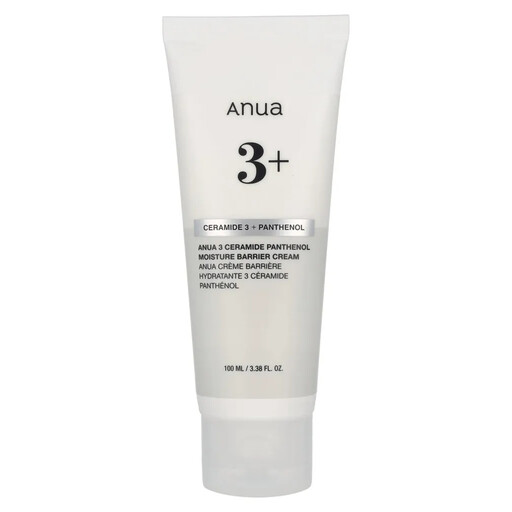
Why this product suits this profile: This face cream combines three listed types of ceramide with panthenol, and its 100 ml size is designed for daily use. The texture is described as rich yet quick to absorb.
The product description clearly identifies it as a face cream. You can also check the ingredients list before buying for fragrance and anything you know your skin doesn’t tolerate.
Ceramides, panthenol and hyaluronic acid; 100 ml; listed for dry, sensitive and normal skin.
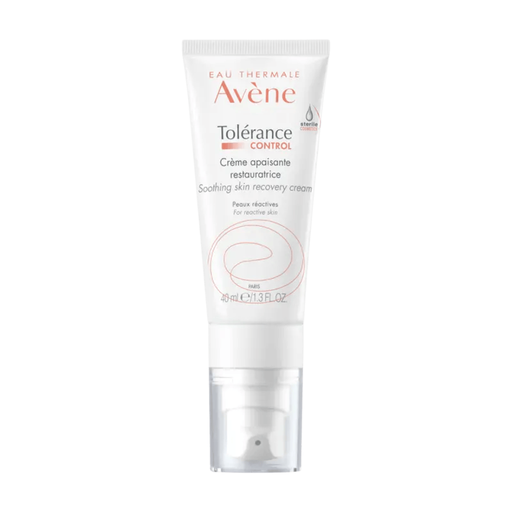
Why this product suits this profile: The cream is designed for hypersensitive, reactive skin that is prone to intolerance. The fragrance- and preservative-free formula comes in an airtight pack.
Its fragrance and preservative details are clearly stated, making it easier to choose as part of a pared-back skincare routine.
40 ml; cream for normal to combination skin; airtight packaging; listed as fragrance- and preservative-free.
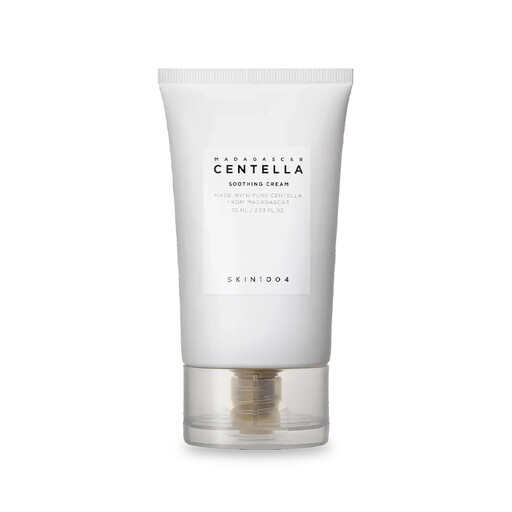
Why this product suits this profile: This Korean face cream is designed for facial use and combines Centella extract with several ceramides, cholesterol and fatty acids. Its described lightweight texture may suit anyone who prefers to avoid heavy creams.
The “non-greasy” description and facial use help distinguish it from very occlusive body creams. The ingredients list also includes ceramides and skin-identical lipids.
75 ml; ceramides, cholesterol and fatty acids; listed for all skin types; use in the morning and/or evening.
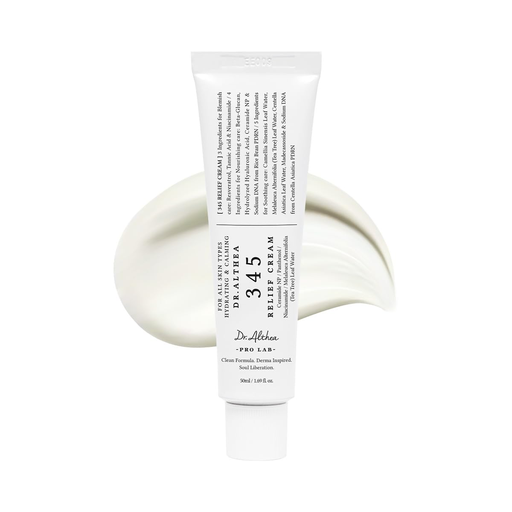
Why this product suits this profile: This lightweight Korean gel-cream is described as suitable for sensitive skin prone to redness and blemishes. Panthenol, Centella-related ingredients, niacinamide and Ceramide NP complement its moisturising formula.
This gel-cream has a lighter consistency rather than a very rich, greasy base. According to the product details, it has been tested for non-comedogenicity and for sensitive skin.
50 ml; lightweight texture; panthenol, Ceramide NP and sodium hyaluronate; listed by the supplier as free from artificial fragrances and colourants.
We’ve put together a complete, regularly updated list of products that meet these strict selection criteria and fully comply with the safety regulations in force in the EU.
Try any new skincare product on a small patch of skin first. If you have sensitive skin, introduce it gradually: start by applying a small amount to cleansed skin once a day and monitor how your skin responds. Stop using it if you experience burning, itching, swelling or increasing redness.
A cream for dry skin is best applied to slightly damp skin, as long as this is in line with the product instructions. During the day, add a suitable sunscreen to your routine if needed. Active ingredient products such as retinol aren’t essential for a simple basic skincare routine and may place extra stress on reactive skin.
If symptoms persist, or you notice weeping patches or signs of severe inflammation, seek advice from a dermatologist. Cosmetic products are not a substitute for medical diagnosis or treatment.
A richer formula containing glycerin, squalane, ceramides or panthenol may work well for daily care. Make sure it doesn’t contain any ingredients you know trigger a reaction, and that it’s specifically designed for the face.
Fragrance-free products can make choosing skincare for sensitive skin easier, but they don’t guarantee that a product will suit you personally. Preservatives, plant extracts and certain oils can also cause unwanted reactions for some people. That’s why it’s important to check the full INCI list and test the product for skin tolerance.
Check the best-before date on the packaging and the symbol showing how long the product can be used after opening, such as “12M”. Changes in smell, colour or consistency may indicate that the product’s quality has deteriorated. Use creams in jars with clean hands where possible, and keep them away from heat and direct sunlight.