
Lieferung heute & morgen

Qualitätsgarantie

Willkommens-Angebote freischalten: KOSTENLOSE Lieferung | Bis zu 80 % RABATT | Kostenlose 30-Tage-JoyPlus-Testphase
App herunterladen
Sensitive skin doesn’t always react the same way: in winter it can feel dry and tight, while your forehead and nose may look shiny at the same time. Redness, stinging or an uneven complexion can also make it harder to choose the right face cream for sensitive skin. A flashy package or a single active ingredient name doesn’t tell you much about how well it will work day to day.
Names like hyaluronic acid, ceramides or PDRN sound convincing. What really matters, though, is the full INCI list and whether the texture suits your skin type. A rich cream can help dry skin, but may be too heavy for an oily T-zone.
Plant extracts and essential oils can be part of a formulation, but they aren’t automatically suitable for every sensitive skin type. Lavender oil, citrus oils or fragrance should be given particular attention if your skin is prone to reactions.
A body cream can be useful for very dry skin, but it isn’t automatically a suitable moisturiser for the face. Rich lipids, mineral oils or certain esters can feel different on the face and may be too heavy for skin that is prone to blemishes.
Glycerin, hyaluronic acid and sodium hyaluronate bind water in the upper layers of the skin. A hyaluronic acid cream can therefore be a useful part of a moisturising routine. To support the skin barrier, skin-like lipids such as ceramides, cholesterol or squalane are also relevant.
A ceramide cream is particularly worth considering if your skin feels dry, rough or tight. However, ceramides alone don’t automatically make a product suitable: texture, preservatives and other ingredients still matter.
Jars allow quick access, but involve repeated finger contact. Tubes or pump dispensers can be more hygienic and easier to dose in everyday use. The fill size should also be considered: 20 to 60 ml is more suited to facial care, while 200 or 250 g is designed for frequent use on the body.
Before using a product for the first time all over your face, it’s a good idea to do a patch test on a small area of skin. If stinging, itching, a rash or increasing redness persists, stop using the product and, if necessary, seek dermatological advice. Cosmetic care does not replace medical treatment.
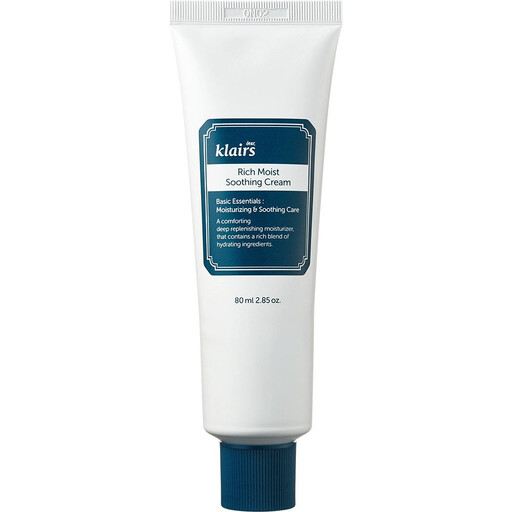
Why this product fits the profile: This rich face cream is designed for intensive moisture care and, according to the product information, contains ingredients including glycerin, shea butter, jojoba oil, ceramides and sodium hyaluronate. It is particularly suitable for dry or tight skin.
The ingredient list makes the nourishing, rich focus clear. Lavender Oil is also listed and should be taken into account if you are sensitive to fragrances.
80 g size, creamy texture and several moisture-binding and barrier-relevant ingredients.
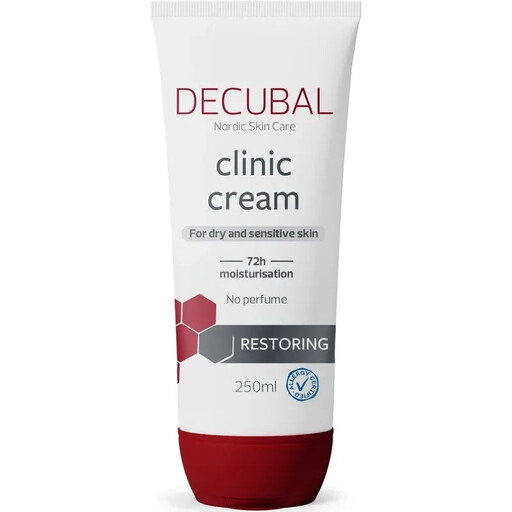
Why this product fits the profile: The large pack is designed for regular use on both face and body. According to the product information, the formulation contains 38% lipids as well as glycerin, lanolin and dimethicone, and is free from fragrance and colourants.
The body and face use is clearly stated. The rich lipid base should still be tested on a small area of the face first.
250 g quantity, fragrance-free and colourant-free product claim, plus an intensive, rich texture.
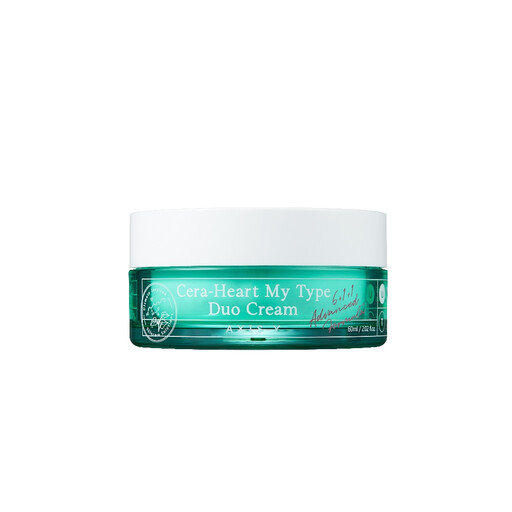
Why this product fits the profile: The duo contains a lighter T-zone cream with heartleaf extract and a richer U-zone cream with Ceramide NP. This allows you to tailor the care to different areas of your face.
A single, overly rich cream doesn’t have to be used all over your face. The separate textures take different skin zones into account.
Two formulations in one 60 ml pack, including Ceramide NP for dry areas.
We’ve put together a full, regularly updated list of products that fully meet these strict selection criteria and the safety regulations in force in the EU.
Look for a combination of humectants such as glycerin or hyaluronic acid and barrier-supporting ingredients like ceramides, squalane or skin-nourishing lipids. A fragrance-free formulation can make the selection easier. Your individual tolerance remains the deciding factor.
The usual routine is to apply it morning and evening after cleansing. For very dry skin, an extra thin layer on certain areas can be helpful. For oily or blemish-prone skin, reduce the amount and observe how your skin reacts.
The printed best-before date and the open-jar symbol on the packaging are what matter. The period after opening is often given in months. Changes in smell, colour or consistency are a reason to stop using the product.