
Lieferung heute & morgen

Qualitätsgarantie

Willkommens-Angebote freischalten: KOSTENLOSE Lieferung | Bis zu 80 % RABATT | Kostenlose 30-Tage-JoyPlus-Testphase
App herunterladen
Sensitive skin does not always react to just one product. Several factors often make symptoms worse: a cleanser that is too harsh, changing skincare products frequently or a cream whose texture does not suit your skin type. So if you are looking for a face cream for sensitive skin, do not focus solely on terms such as “soothing”, “Cica” or “Repair”.
Centella Asiatica, panthenol, niacinamide and ceramides are often prominently advertised. However, the overall formulation is what matters. Even a soothing face cream may be unsuitable if it contains fragrances, essential oils or numerous botanical extracts that your skin reacts to sensitively.
Dry, tight-feeling skin often needs a different consistency from oily, blemish-prone skin. A rich Barrier Repair Cream may feel comfortable on dry skin, while a lightweight gel cream may be more practical for combination skin. The product description alone therefore cannot replace checking the ingredients and texture.
A cream for redness may improve how your skin feels, but it does not automatically eliminate the underlying cause. If redness, stinging, itching or visible skin changes persist, it is advisable to seek a dermatological assessment. Cosmetic skincare should not be considered a treatment for a skin condition.
For a moisturiser for sensitive skin, moisture-binding and skin-conditioning ingredients are relevant. These include, for example:
The INCI list should ideally match your personal needs. For very reactive skin, a short, fragrance-free formulation may make it easier to get started.
“Without artificial fragrances” does not necessarily mean that a product is completely free from fragrance ingredients. Essential oils and fragrance ingredients that must be declared may also be present. If your skin reacts quickly, check the packaging for terms such as “Parfum”, “Fragrance”, “Limonene”, “Linalool” or essential oils.
A non-greasy face cream with a gel or gel-cream consistency is often suitable for combination skin and oilier areas. Rich creams containing waxes, butters or several oils may be more suitable for dry or stressed skin. The amount can be adjusted: apply a thin layer during the day and a slightly more generous amount in the evening if needed.
Before using a product for the first time, it is advisable to carry out a tolerance test on a small area of skin. New products should be introduced one at a time so that any reactions can be identified more easily.
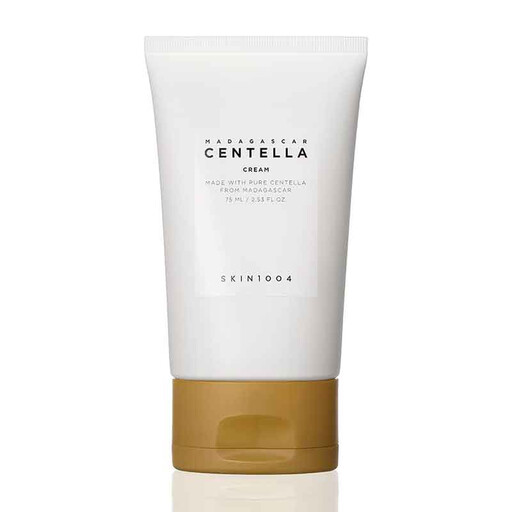
Why this product suits this profile: The 75 ml tube is designed for regular facial skincare. According to the product information, the formulation contains Centella Asiatica extract, niacinamide, squalane and Ceramide NP.
According to the product description, the gel-like consistency is designed to feel lightweight without leaving a sticky residue. The INCI list should be checked against your individual skin tolerance before buying.
75 ml content, Ceramide NP and a formulation without artificial fragrances according to the product information.

Why this product suits this profile: According to the product information, the Barrier Repair Cream combines ceramides, cholesterol and seven forms of hyaluronic acid. It is aimed at people who prefer a structured, moisture-focused routine.
The product information names specific ingredients rather than making only a general repair claim. However, the richer formulation should initially be used sparingly on oily skin.
Several types of ceramide, cholesterol and a creamy texture that leaves no residue according to the manufacturer’s information.
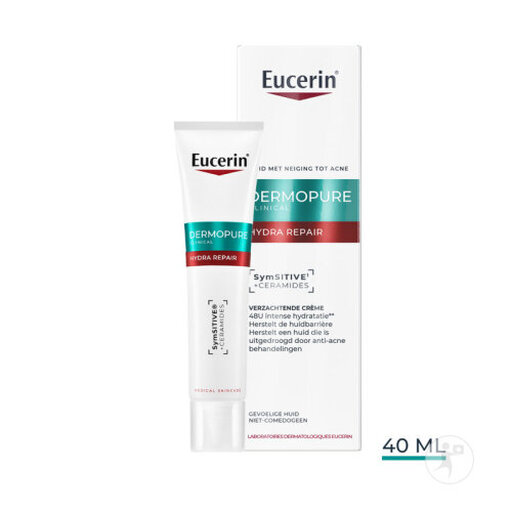
Why this product suits this profile: According to the product information, the cream is fragrance-free and intended for sensitive, blemish-prone skin. This makes it interesting for skincare routines affected by drying acne treatments.
The product description specifies the intended use and fragrance-free formulation. If you are receiving medical acne treatment, your skincare routine should be discussed with your healthcare provider.
40 ml tube, panthenol, squalane and Ceramide NP according to the listed INCI ingredients.
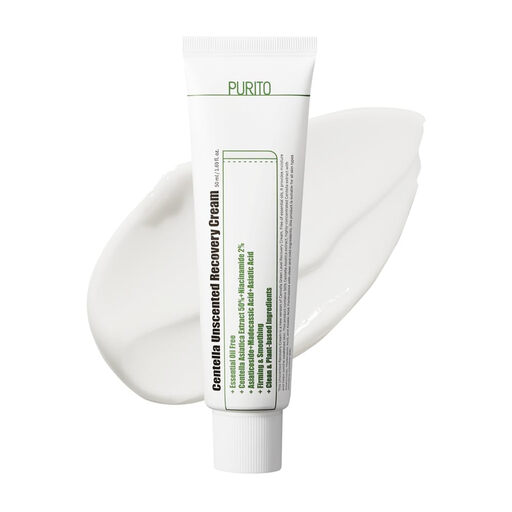
Why this product suits this profile: According to the product information, the fragrance-free cream contains Centella Asiatica, niacinamide, Ceramide NP and squalane. It suits a streamlined routine for combination skin.
The “Unscented” label makes it easier to choose for people who want to avoid fragrances. Nevertheless, the complete INCI list remains the deciding factor.
50 ml content and a combination of Centella, Ceramide NP and squalane according to the product description.
We have put together a complete, regularly updated list of products that fully meet these strict selection criteria and the safety regulations applicable in the EU.
Apply a suitable cream after cleansing, to slightly dry or still minimally damp skin. For many routines, a small amount in the morning and evening is sufficient. If you use several skincare products, apply the face cream towards the end of your routine. During the day, use a separate sunscreen as well.
For sensitive skin:
A cream containing glycerin, panthenol and ceramides, with a slightly richer texture suitable for dry skin, may be a good choice. Products with little or no fragrance can make choosing easier, but they do not guarantee individual skin tolerance.
It is usual to apply it morning and evening after cleansing. If your skin is very dry, an additional thin layer in the evening may be helpful. What matters is how your skin feels and whether it tolerates the product without reacting.
The printed expiry date and the symbol indicating the period of use after opening are the key references. A change in smell, colour or consistency may indicate that the product should be discarded. Tubes and pump dispensers generally protect the contents from frequent contact better than open jars.