
Lieferung heute & morgen

Qualitätsgarantie

Willkommens-Angebote freischalten: KOSTENLOSE Lieferung | Bis zu 80 % RABATT | Kostenlose 30-Tage-JoyPlus-Testphase
App herunterladen
A face cream for sensitive skin should deliver moisture, absorb comfortably and keep your daily routine simple. Yet eye-catching marketing claims often lead to the wrong purchase. Products labelled “soothing” or “barrier-strengthening” can be particularly problematic if their ingredient list is packed with fragrances, essential oils or potentially irritating active ingredients.
Plant extracts can complement a formulation, but they aren’t automatically suitable for every skin type. Essential oils, fragrances and certain botanical ingredients can trigger unwanted reactions on sensitive skin. What really matters is the full INCI list, not just the claims on the front of the pack.
Dry skin often benefits from a creamier formula with lipids, shea butter or ceramides. For combination or blemished skin, however, a very rich face cream can feel heavy. In that case, a light gel-cream or a non-greasy moisturising face cream is usually more practical.
Retinol, niacinamide, acids and heavily fragranced formulations aren’t automatically unsuitable. On sensitive skin, though, they should be introduced gradually. An anti-ageing face cream with retinol, for example, needs to be used differently from a simple moisturiser with glycerin or hyaluronic acid.
For a daily, soothing face cream, the following ingredient groups may be worth looking for:
The effect of individual ingredients depends on the overall formula, the concentration and your own skin. Cosmetic products are not a substitute for dermatological treatment.
A cream with a high oil or butter content will generally feel richer. Water-based products with a gel texture tend to absorb more quickly and are easier to layer under sunscreen or make-up. If you’re looking for a face cream for blemished skin, also check the manufacturer’s specific guidance on comedogenicity. That said, such guidance is no guarantee of individual tolerance.
Before buying, take note of the fill size, packaging type, best-before date and PAO symbol. Jars require hygienic handling, whereas tubes or pump dispensers can reduce direct contact with the product. The current ingredient list on the packaging is the one to rely on, as formulations can change.
For sensitive skin, a patch test on a small area is recommended. Don’t introduce new active ingredients at the same time as strong exfoliants or other potentially irritating products. If you experience persistent burning, itching, swelling or a rash, stop using the product and seek medical advice if necessary.
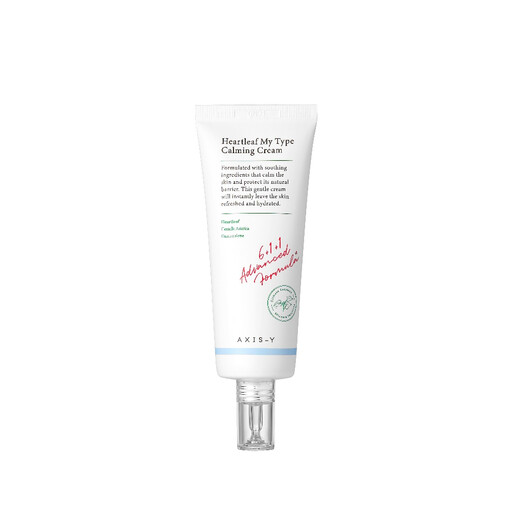
Why this product fits the profile: This water-based gel-cream (60 ml) is aimed at sensitive, blemish-prone skin, according to the product details. It works well for a straightforward morning and evening routine.
The lightweight texture reduces the risk of a heavy, greasy feel. The INCI list includes glycerin, sodium hyaluronate, centella asiatica, allantoin and heartleaf extract, among others.
Fast-absorbing gel-cream; formulated with humectants and plant extracts.
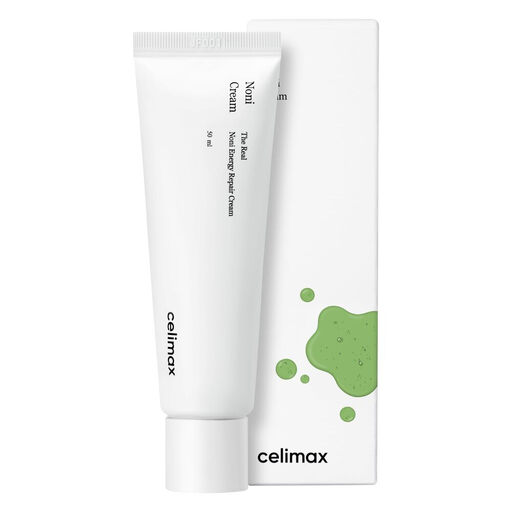
Why this product fits the profile: The formula is designed for dry skin and a richer, more nourishing feel. According to the ingredient list, it contains noni extract, noni seed oil, ceramides, squalane and shea butter.
The composition clearly distinguishes between a light moisturiser and a lipid-rich barrier cream. Rosemary oil is included, so those sensitive to fragrance or essential oils should take note.
Ceramides and squalane in a creamier formula; 50 ml size for daily use.
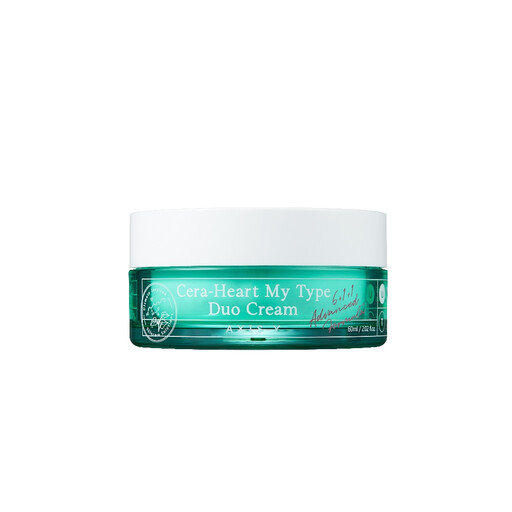
Why this product fits the profile: The duo includes a lighter T-zone cream and a richer U-zone cream. This lets you tailor your skincare to combination skin, seasonal changes and different areas of the face.
Instead of applying one uniform rich cream all over the face, you can choose the texture by zone or mix them. Ceramide NP is included in the U-zone formula.
Two textures in one pack; 60 ml total, split into 30 ml T-zone and 30 ml U-zone cream.
We’ve put together a full, regularly updated list of products that meet these strict selection criteria and comply with EU safety regulations.
For dry skin, richer formulations with ceramides, glycerin, shea butter or squalane are often a good choice. If you struggle with fragrances, check the INCI list carefully for perfume and essential oils. A patch test on a small area before full application is a sensible step.
Hyaluronic acid is used in many moisturising face creams and can help with hydration. However, tolerance depends on the overall formula. In dry indoor air or if your skin feels dry, a final cream with lipids can be a useful addition to your routine.
The PAO symbol, the expiry date and the storage instructions on the packaging are what you need to follow. Changes in smell, colour or texture can be a sign that the product should no longer be used. Direct sunlight, high temperatures and bathroom humidity can all affect product quality.