
Lieferung heute & morgen

Qualitätsgarantie

Willkommens-Angebote freischalten: KOSTENLOSE Lieferung | Bis zu 80 % RABATT | Kostenlose 30-Tage-JoyPlus-Testphase
App herunterladen
Sensitive skin doesn’t react the same way to every product. Stinging, tightness, visible redness or dry patches can all be made worse by the wrong texture, fragrance, or an overloaded skincare routine. If you’re looking for a face cream for sensitive skin, it’s important to look beyond terms like “soothing” or “barrier protection”.
“Suitable for sensitive skin” isn’t a uniformly protected quality mark. What really matters is the specific INCI list. Fragrances, essential oils, alcohol, or numerous plant extracts can be problematic for some people. Even a generally mild formula can trigger individual intolerances.
A very rich cream can feel lovely on dry skin. But for combination skin or skin prone to blemishes, a heavy texture can be too much. A light soothing face cream with glycerin, hyaluronic acid or panthenol is often a better fit when you want hydration without a greasy feel.
Ceramides, Centella asiatica or hyaluronic acid are useful components, but they don’t replace a well-formulated product overall. The concentration, the combination of ingredients, and your personal tolerance are all equally important. Claims about permanent “repair” or treating skin conditions should be viewed critically: cosmetics support daily care, but they are not medicines.
A moisturiser for sensitive skin should ideally combine several care functions. Glycerin binds moisture to the skin’s surface. Hyaluronic acid and its derivatives are commonly used as humectants. Ceramides, cholesterol and fatty acids resemble components of the natural skin barrier, which is why they are often found in a ceramide cream or a face cream for skin barrier care.
Important: “Skin barrier repair” is often a shortened marketing phrase. Objectively, you can only determine which ingredients are present and how the cream feels. If you experience persistent severe redness, swelling, itching or stinging, stop using it and, if necessary, seek dermatological advice.
Before first use, a patch test on a small area of skin is recommended, especially if you have known sensitivities. New products should ideally be introduced into your routine one at a time. This makes it easier to identify which formula causes a reaction.
The cream is usually applied thinly after cleansing and, optionally, after toner or serum. In the morning, follow with sunscreen. If your skin is irritated or damaged, please observe the relevant warnings on the packaging.
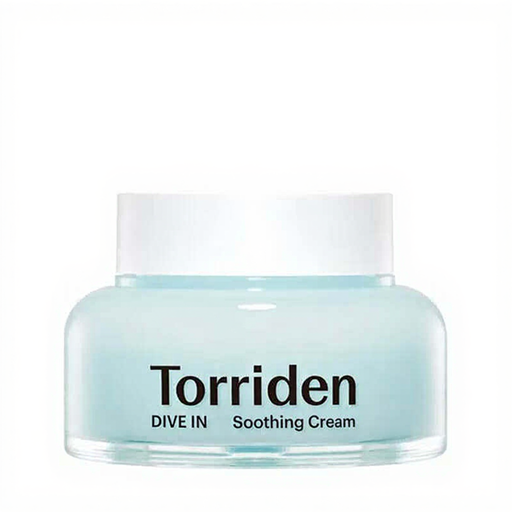
Why this product fits the profile: The 100ml size and its light, hydrating focus make it suitable for anyone looking for a straightforward hyaluronic acid cream for their daily routine.
The product description focuses on hydration and light application, rather than promising a medical effect.
Multiple hyaluronic acid derivatives, glycerin and allantoin; stated as suitable for all skin types.
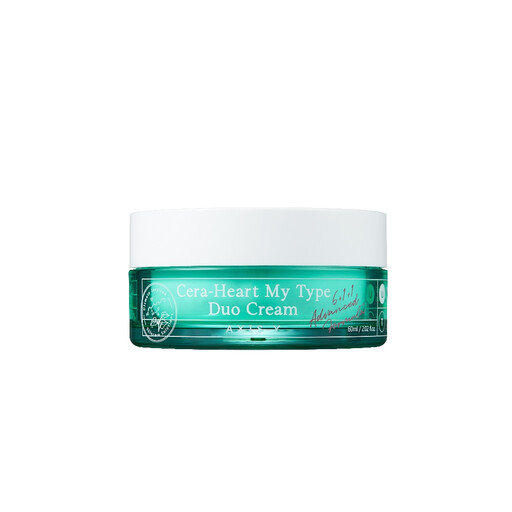
Why this product fits the profile: The split into a lighter T-zone cream and a richer U-zone cream is practical for combination skin with varying care needs.
Instead of forcing a single texture across the whole face, you can adjust the amount and formula depending on the area of skin.
30 ml Heartleaf T-zone cream and 30 ml Ceramide U-zone cream; can be used separately or mixed.
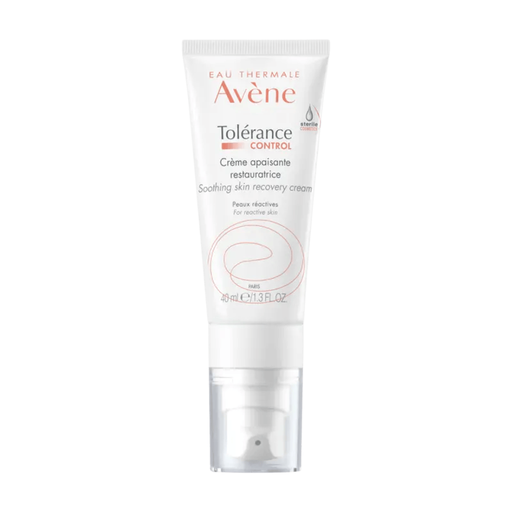
Why this product fits the profile: The stated fragrance-free and preservative-free formula is aimed at people who prefer as few potentially irritating additives as possible.
The purchasing decision can be made based on specific claims such as fragrance-free, preservative-free and non-comedogenic.
40 ml content, airtight packaging and a short ingredient list according to the product information.
We’ve put together a full, regularly updated list of products that fully meet these strict selection criteria and the safety regulations in force in the EU.
For dry skin, creams with glycerin, squalane, shea butter, ceramides and hyaluronic acid can be a good fit. A richer texture often reduces the feeling of tightness, but it can be too heavy for combination skin. Your personal tolerance remains the deciding factor.
Most products are intended for morning and evening use. A small amount on cleansed skin is enough to start with. When trying new formulas, introduce them slowly and stop if you experience stinging, itching or increased redness.
The best-before date and the symbol on the packaging indicating how long it lasts after opening are what matter. Storing it at room temperature, protecting it from direct sunlight, and using clean hands when scooping it out all help maintain product quality. The manufacturer’s specific instructions take priority.