
Lieferung heute & morgen

Qualitätsgarantie

Willkommens-Angebote freischalten: KOSTENLOSE Lieferung | Bis zu 80 % RABATT | Kostenlose 30-Tage-JoyPlus-Testphase
App herunterladen
Sensitive facial skin often reacts to changes in the weather, dry central-heating air, frequent washing or drying acne treatments. When looking for a face cream for sensitive skin, terms such as “soothing”, “repairing” or “barrier protection” may initially seem clear-cut. However, the full formulation and intended use are what really matter.
Plant oils and extracts can form part of a skincare routine, but they are not equally suitable for every skin type. Essential oils, fragrances and strongly aromatic plant ingredients can be problematic for reactive skin. A fragrance-free face cream is therefore often the clearer choice if your skin is prone to burning, redness or tightness.
Acids, retinoids and highly exfoliating products are often promoted for their visible skincare benefits. However, when the skin barrier is already irritated or weakened, adding further stress may be unsuitable. MartiDerm Pro-Reg 15 Cream, for example, contains 15% glycolic acid (AHA) and, according to the product information, is intended as an intensive evening treatment. Daily sun protection is required when using AHA; discontinue use if irritation, redness or flaking occurs.
Even a cream marketed as suitable for everyone may contain fragrances, rich oils or certain preservatives. If you are looking for a moisturiser for sensitive skin, you should check at least the following points:
A weakened skin barrier may make itself known through dryness, tightness and increased sensitivity. Ingredients such as ceramides, cholesterol, lecithin, squalane and fatty acids are used in skincare formulations to provide the skin with lipids and moisture. A ceramide cream is particularly worth considering if a simple, barrier-focused routine is your priority.
According to its stated INCI list, Dr. Althea 147 Barrier Repair Cream contains several ceramides, cholesterol and various forms of hyaluronic acid. On paper, this makes the formula an option for people who want to combine hydration with barrier care. The complete ingredients list on the product packaging remains the definitive source.
A face cream for redness can be chosen for the cosmetic care of reddened skin. However, it is not a substitute for dermatological assessment. Persistent redness, visible blood vessels, pustules, pain or recurring burning can have various causes. This also applies if rosacea or couperose is suspected.
Products such as Avène ROSAMED Chronic Redness Concentrate and Laboratoires SVR Sensifine AR are designed for skin with visible redness. The product description for SVR Sensifine AR also mentions green pigments to help conceal redness visually. This is a cosmetic function, not a treatment for a skin condition.
Before first use, it is advisable to carry out a small patch test on an inconspicuous area of skin. With sensitive skin, your routine should initially be as simple as possible: gentle cleansing, a suitable cream and sun protection during the day. It is best to introduce new products one at a time so that any reactions can be identified.
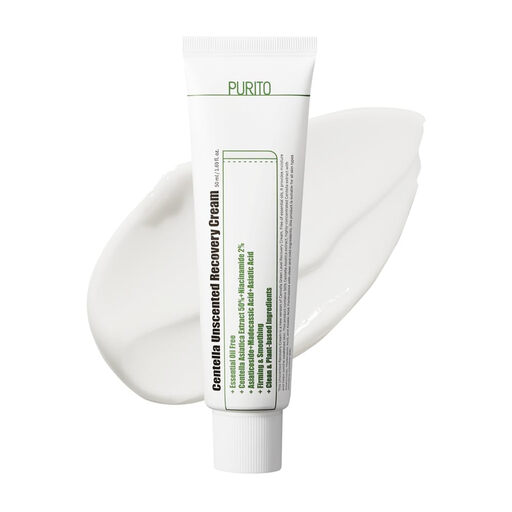
Why this product suits this profile: The fragrance-free formula with Centella asiatica extract, niacinamide, squalane and Ceramide NP is suitable for straightforward daily care of sensitive combination skin.
The “Unscented” label and the stated INCI list make it easier to find a formula without added fragrance.
50 ml contents; Centella asiatica extract, squalane and Ceramide NP are listed.
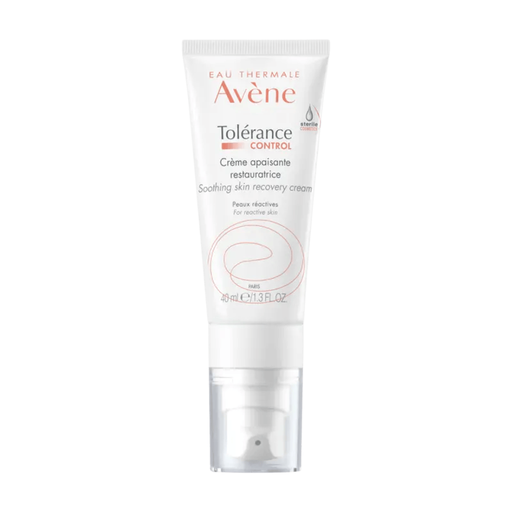
Why this product suits this profile: The product information describes a fragrance-free, preservative-free formula in airtight packaging for hypersensitive and reactive skin.
The streamlined formula appeals to people who want to avoid unnecessary fragrances and preservatives.
40 ml contents; contains squalane, glycerin and a stated postbiotic active ingredient.
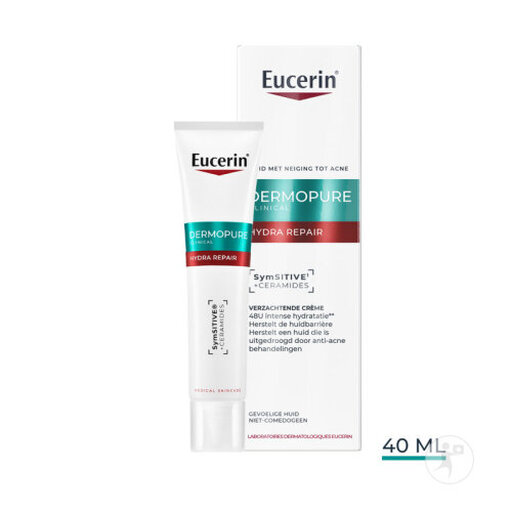
Why this product suits this profile: According to the product description, this cream is designed for sensitive, blemish-prone skin and for accompanying care during drying acne treatments.
Its stated fragrance-free formula sets it apart from creams whose fragrances could cause unnecessary irritation for sensitive skin.
40 ml contents; the INCI list includes panthenol, squalane and Ceramide NP.
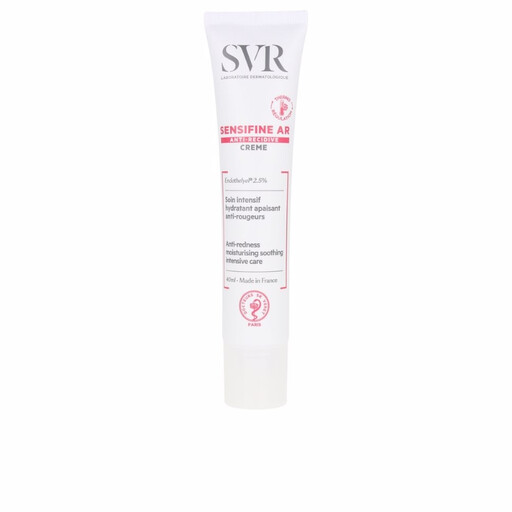
Why this product suits this profile: According to the product information, this cream is intended for sensitive skin and contains green pigments to visually neutralise visible redness.
The visual correction is clearly distinguished from medical treatment; medical advice is advisable if symptoms persist.
40 ml contents; stated fragrance-free, hypoallergenic formula and green pigments.
We have put together a complete, regularly updated list of products that fully meet these strict selection criteria and the safety regulations applicable in the EU.
A face cream should be applied to cleansed, dry skin. With very sensitive skin, start with a small amount. Richer products can be useful in the evening, while lighter gel creams may feel more comfortable during the day.
Shelf life is determined by the best-before date or the open-jar symbol on the packaging. Heat, direct sunlight and frequent opening can affect product quality. The batch number, packaging and manufacturer’s instructions are always decisive.
If using a repair cream for the face after a cosmetic treatment or on noticeably irritated skin, its use should be discussed with the treating professional. Cosmetic products should not be used on broken, oozing or severely inflamed skin without seeking advice first.
Fragrance-free formulations containing glycerin, panthenol, squalane, ceramides or hyaluronic acid may be suitable. The right texture depends on your skin’s condition. For severe dryness, a balm is often richer than a lightweight gel cream.
Many products are intended for use in the morning and evening. With sensitive skin, start by applying it once a day. Stop using it if burning, itching, redness or flaking occurs.
No. A face cream for rosacea can complement cosmetic skincare, but it does not replace a dermatological diagnosis or treatment. If symptoms persist or worsen, consult a dermatology practice.