
Lieferung heute & morgen

Qualitätsgarantie

Willkommens-Angebote freischalten: KOSTENLOSE Lieferung | Bis zu 80 % RABATT | Kostenlose 30-Tage-JoyPlus-Testphase
App herunterladen
Sensitive facial skin often reacts to cold weather, dry indoor heating, frequent washing or unfamiliar ingredients. In these situations, you are usually looking for a face cream for sensitive skin that provides moisture, supports the skin barrier and feels comfortable in everyday use. However, not every cream featuring terms such as “Repair”, “Cica” or “Barrier” will automatically suit every skin type.
Ceramides, panthenol, Centella asiatica and hyaluronic acid are often promoted as key ingredients in a barrier cream. However, it is not just the name of an active ingredient that matters, but the complete INCI list, the texture and your personal tolerance. A ceramide cream may also be too rich for very oily skin, while a lightweight gel cream may not provide enough nourishment for very dry cheeks.
A cream may be described as gentle or soothing and still contain fragrances, essential oils or other potentially unsuitable ingredients. If you have sensitive skin, it is therefore worth checking the packaging carefully. This is particularly important with products containing propolis, honey, essential oils or parfum. If you are prone to allergies, carry out a patch test on a small area of skin before applying the product more widely.
A green-tinted cream for redness can visually even out your skin tone. This effect should be distinguished from actual moisturisation. Such a cream may partly replace make-up, but it is not automatically a sunscreen and should be combined with a suitable sun protection product during prolonged UV exposure.
For dry or tight-feeling skin, humectants such as glycerin, panthenol, beta-glucan and hyaluronic acid are relevant. They help bind water in the upper layers of the skin. Ceramides, cholesterol and skin-identical lipids, on the other hand, are often used to support the skin’s natural protective function.
A well-designed formula does not need to contain as many active ingredients as possible. When skin is irritated, a straightforward composition may be easier to assess. If you want to strengthen the skin barrier or support it after an intensive skincare phase, you should also use a gentle cleanser and keep your routine simple.
The term “Repair” describes a skincare positioning and is not proof of medical treatment. If inflammation, severe redness, itching or open areas of skin persist, the cause should be assessed by a dermatologist.
Before buying, compare the skin type, ingredients, fill quantity and directions for use. With Korean skincare products, product descriptions may state active ingredient concentrations or test results from the manufacturer. Such information should be read as brand information. According to a clinical study by Anua, one version of the 3 Ceramide Panthenol Moisture Barrier Cream is described as providing improved hydration after two weeks. This is a manufacturer’s claim and not a general statement about all sensitive skin.
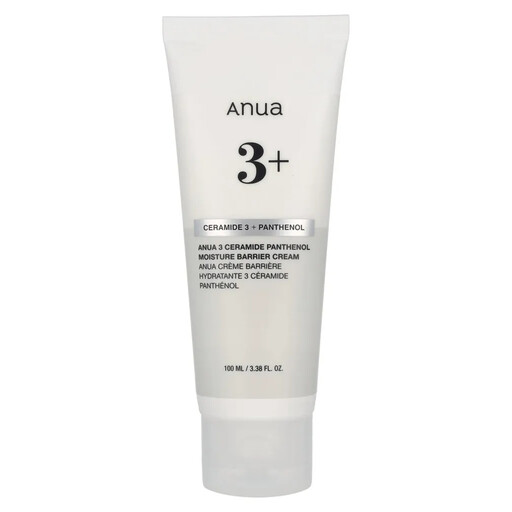
Why this product suits this profile: The 100ml size is suitable for a regular morning and evening routine. The combination of three types of ceramide, panthenol, Centella asiatica and hyaluronic acid appeals to people looking for moisture and barrier support in one product.
The product description lists specific ingredients rather than relying solely on general terms such as “Repair”. The texture is described as rich but fast-absorbing and non-sticky.
100ml content, panthenol and ceramides; according to the product information, suitable for dry, sensitive and normal skin.
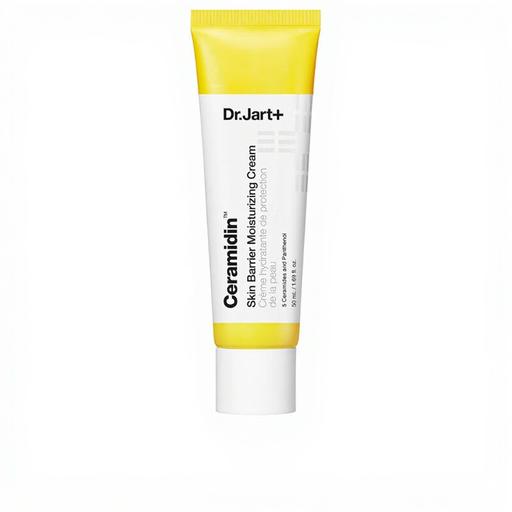
Why this product suits this profile: The formula lists several ceramides, panthenol, cholesterol and sodium hyaluronate. It is therefore aimed at shoppers who specifically look for skin-identical lipids and a classic cream texture in a barrier cream.
The selection is based on the stated INCI list rather than the brand name alone. A patch test is still advisable before use, as even carefully selected formulas may be tolerated differently by different people.
Several ceramides, panthenol and cholesterol; 50ml content for daily facial and neck care.
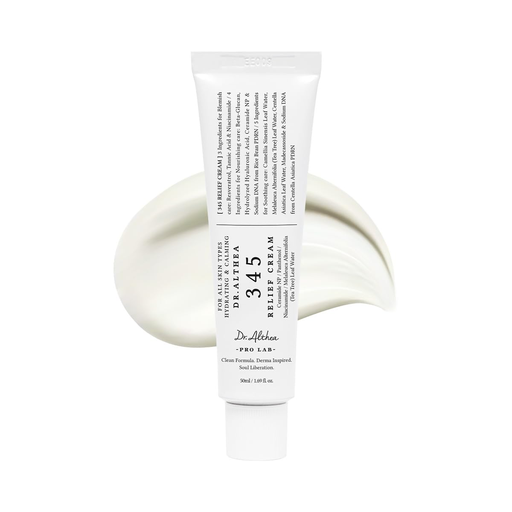
Why this product suits this profile: This lightweight gel cream is appealing to people who need moisture but want to avoid a greasy feel. The product description mentions panthenol, niacinamide, Centella-related ingredients and ceramides, among others.
The texture is explicitly described as lightweight and non-greasy. This makes it easy to incorporate the cream as the final or penultimate step in a short routine.
Lightweight gel cream, 50ml content, ceramides and panthenol; according to the product information, suitable for sensitive, combination and blemish-prone skin.
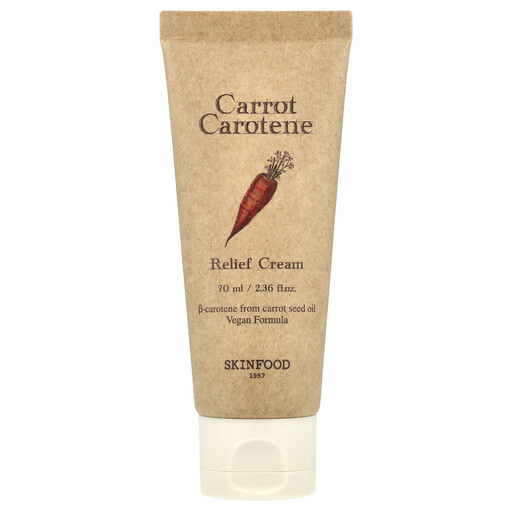
Why this product suits this profile: This gel cream combines a lightweight texture with beta-glucan, sodium hyaluronate and allantoin. It is suitable for people looking for a soothing face cream for everyday use and who prefer a non-sticky finish.
The stated texture and quick absorption help you avoid heavy creams that may feel uncomfortable in everyday use. However, the INCI list should still be checked because the formula contains essential oils.
70ml content, gel cream texture, beta-glucan and allantoin; according to the product information, vegan and dermatologically tested.
We have put together a complete, regularly updated list of products that fully meet these strict selection criteria and the safety regulations applicable in the EU.
A moisturiser for dry skin is usually applied after cleansing. If you use several skincare steps, the cream typically comes after toner and serum. Start with a small amount; you can apply a little more to dry areas as needed.
Creams containing glycerin, panthenol, ceramides, squalane or hyaluronic acid are often chosen. A richer texture may feel more comfortable on very dry skin. For combination skin or an oily feel, a lightweight gel cream is often more practical.
Ceramides can be part of formulas that support the skin’s natural protective function. However, the term “repair” should not be understood as a medical promise of healing. Tolerance depends on the complete formula and the condition of your individual skin.
The best-before date and the open-jar symbol indicating the period of use after opening on the packaging are decisive. A change in smell, colour or consistency may indicate a change in quality. The cream should also be stored in a dry, cool place away from direct sunlight.