
Lieferung heute & morgen

Qualitätsgarantie

Willkommens-Angebote freischalten: KOSTENLOSE Lieferung | Bis zu 80 % RABATT | Kostenlose 30-Tage-JoyPlus-Testphase
App herunterladen
A face cream for sensitive skin should moisturise, support the skin barrier and fit comfortably into your daily routine. But choosing one involves more than looking for words such as “Repair”, “Glow” or “Sensitive”. What matters is the ingredient list, the texture and how well it suits your individual skin.
“Calming”, “skin barrier repair” and “anti-ageing” often describe how a product is positioned, but they don’t guarantee a particular effect for everyone. Specific ingredients such as glycerin, panthenol, hyaluronic acid, ceramides, squalane or certain plant extracts are more useful indicators.
“Korean face cream” is also, first and foremost, a description of a product’s origin or style. K-beauty products range from lightweight gel creams to richer formulas and products containing retinoids. Your skin’s needs should come before the latest trend.
A face cream for dry skin can contain more emollient ingredients. However, a heavy texture may feel uncomfortable on combination or blemish-prone skin. If you’re looking for a non-comedogenic face cream, check for the relevant manufacturer’s claim and consider the formula as a whole. “Non-comedogenic” doesn’t guarantee that nobody will develop blemishes.
Sensitive or irritated skin doesn’t automatically react to every fragrance, but it may benefit from a formula with as few ingredients as possible. Check the INCI list for parfum, essential oils and any allergens you know you’re sensitive to. If a cream contains rosemary oil, such as Celimax The Real Noni Energy Repair Cream, a patch test is particularly advisable.
For everyday use, a facial moisturiser can contain several useful groups of ingredients:
A ceramide cream may be a good option if your skin feels dry and tight. However, a cosmetic cream shouldn’t be used as a substitute for advice from a dermatologist if your skin is severely irritated, broken or weeping.
Airtight packaging can reduce the formula’s exposure to air and contaminants. If you have sensitive skin, it’s a good idea to do a patch test on a small area of skin before using a product all over your face. Introduce new products one at a time so you can more easily identify any reactions.
Retinol products require extra care: introduce them gradually, use them in the evening to start with, and apply sun protection during the day. Stop using the product if you experience persistent redness, swelling, severe stinging or itching, and seek advice from a dermatologist if necessary.
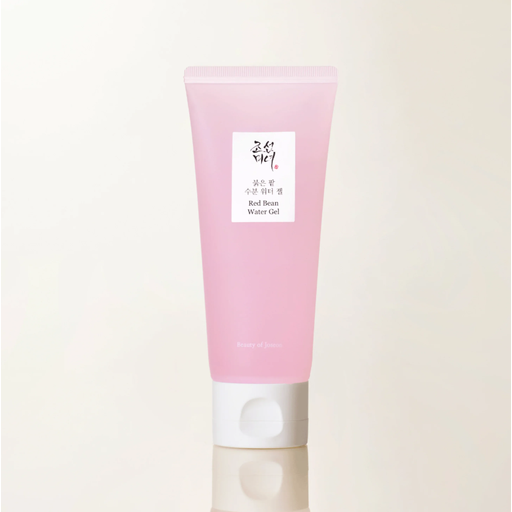
Why it suits this skin profile: The lightweight gel cream texture is a good option for beginners looking for moisture without a noticeably greasy feel.
The formula uses a lightweight gel cream rather than a highly occlusive moisturiser, which may make it easier to choose a product for combination skin.
Adzuki bean extract, glycerin and panthenol; 100 ml size and a lightweight finish, according to the product description.
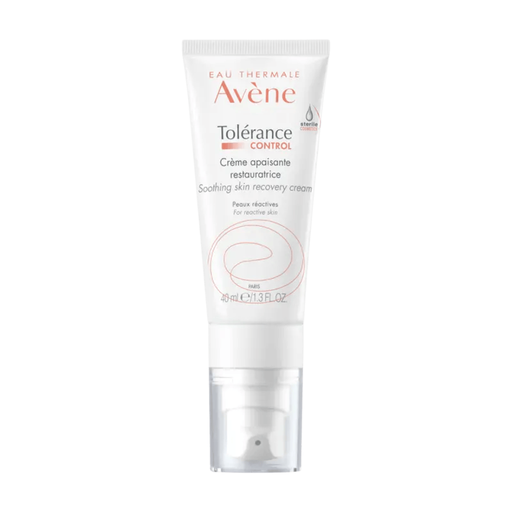
Why it suits this skin profile: This is a good choice for anyone who prefers skincare described as fragrance-free, preservative-free and non-comedogenic.
The product information explicitly states that it contains no fragrance or preservatives, making it easier to check if you’re sensitive to fragrance.
Airtight packaging, 40 ml size and a formula with glycerin, squalane and D-Sensinose, according to the supplier.
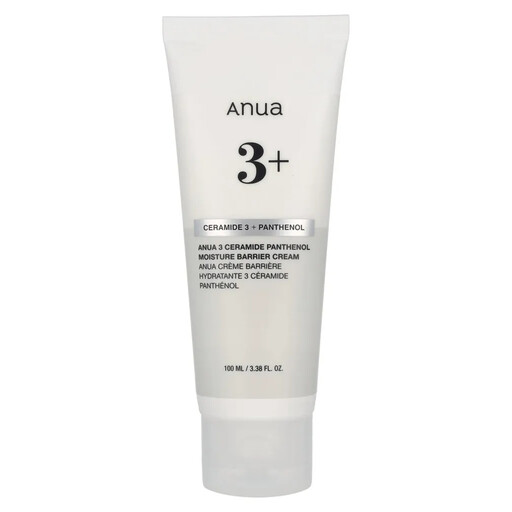
Why it suits this skin profile: The 100 ml size is a practical option for regular morning and evening skincare, particularly for dry and sensitive skin.
Three types of ceramide and panthenol are clearly listed, so you don’t have to judge the product’s barrier care based on a marketing term alone.
Ceramides NP, AP and EOP, panthenol, hyaluronic acid and centella extract, according to the stated INCI list.
We’ve put together a complete, regularly updated list of products that meet these strict selection criteria and fully comply with the safety regulations in force in the EU.
A suitable choice often contains humectants such as glycerin or hyaluronic acid, along with barrier-supporting ingredients such as ceramides, panthenol or squalane. A richer texture may feel more comfortable on dry skin. If you know you’re sensitive to fragrance or essential oils, check for them carefully.
Most face creams are applied in the morning and evening after cleansing. If your skin is dry, you can apply a little extra to specific dry areas. If you use retinol or are more sensitive to the sun, include suitable sun protection in your daytime routine.
Check the printed best-before date, batch number and the symbol showing how long the product is suitable for use after opening. Changes in smell, colour or consistency may indicate that the product’s quality has changed. Always follow the specific information on the packaging rather than relying on general timeframes.