
Lieferung heute & morgen

Qualitätsgarantie

Willkommens-Angebote freischalten: KOSTENLOSE Lieferung | Bis zu 80 % RABATT | Kostenlose 30-Tage-JoyPlus-Testphase
App herunterladen
Sensitive skin does not always react straight away. Tightness, dry patches, redness or an uncomfortable stinging sensation may only appear after several applications. So if you’re looking for a face cream for sensitive skin, don’t rely solely on claims such as “soothing”, “natural” or “for sensitive skin”.
What matters is the full ingredients list, the texture and what your skin actually needs. A rich cream may work well for dry skin, but feel heavy on oily or blemish-prone skin. Conversely, a light gel cream may not provide enough moisture in winter or for very dry skin.
The claim “for sensitive skin” is not a universally protected quality standard. Products labelled this way may still contain fragrance, essential oils or alcohol. If you’re prone to redness or reactions, check the INCI list and start with a patch test on a small area of skin.
Oils, waxes and rich lipids can feel nourishing on dry skin. On combination or oily skin, or skin prone to blemishes, a heavy texture may feel greasy. A non-comedogenic face cream may be an option for these skin types, but it’s no substitute for checking how your skin responds.
Claims such as “strengthens the skin barrier”, “soothes instantly” or “reduces redness” should be considered alongside the ingredients and directions for use. Cosmetic products can care for and moisturise the skin, but they are not a substitute for a dermatological diagnosis or treatment.
Moisturising ingredients such as glycerin, hyaluronic acid, panthenol and beta-glucan are found in many formulas for dry and sensitive skin. Ceramides, cholesterol and certain fatty acids are also used to care for the skin barrier.
If you have sensitive skin, it’s worth checking for:
A short ingredients list is not automatically gentler. What matters is whether the specific formula suits your skin.
A light gel cream usually absorbs quickly and can feel comfortable under sun protection or make-up. It’s often a good choice for combination or oily skin, or in warm weather. A richer cream tends to leave a nourishing layer on the skin and may be preferable for dry skin, cold weather or feelings of tightness.
Jars require you to touch the product directly with your fingers. Tubes or pump dispensers may be more practical for regular use. Before buying, also check the size, directions for use, best-before date and the period after opening.
Avoid applying a product to irritated, broken or sunburnt skin without first checking that it is suitable. Stinging, itching, a rash or persistent redness are reasons to stop using it and seek dermatological advice if needed.
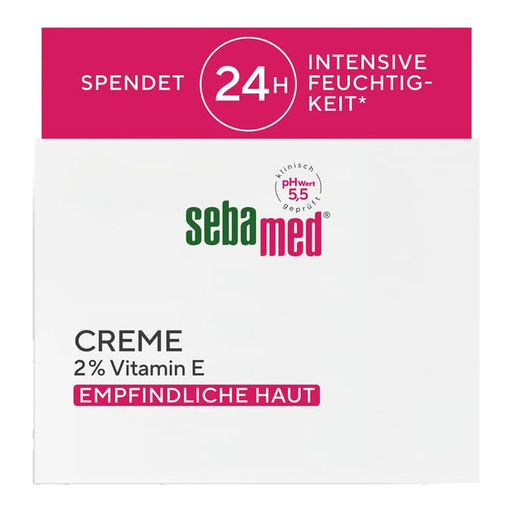
Why this product suits this profile: This 75 ml cream has a classic oil-in-water texture for daily use on the face, neck and décolletage. Its stated pH of 5.5 may appeal if you’re looking for a formula with a skin-friendly pH.
The product information lists the full INCI ingredients and also notes that it contains fragrance. This means you can check before buying whether the formula is suitable for your skin’s sensitivities.
75 ml; a vitamin E derivative and stated pH of 5.5. According to the product information, developed and made in Germany.
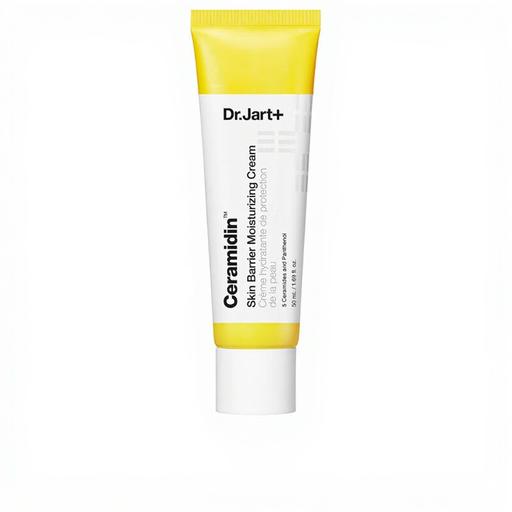
Why this product suits this profile: The formula contains several ceramides, cholesterol, fatty acids, panthenol and sodium hyaluronate. It may appeal if you’re looking for a moisturiser for sensitive skin that focuses on barrier care.
Rather than relying solely on general soothing claims, you can check the formula’s specific lipid ingredients. Even so, it’s worth testing the texture before applying it over a larger area.
50 ml; the listed ingredients include Ceramide NP, AP, AS, NS and EOP, as well as cholesterol.
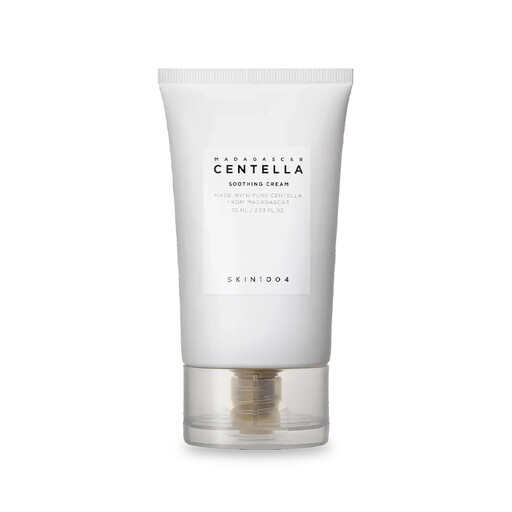
Why this product suits this profile: This 75 ml cream combines Centella asiatica extract with ceramides, cholesterol and fatty acids. Its stated refreshing texture may suit sensitive, red or occasionally irritated skin, provided your skin tolerates it.
This choice is based on more than the word “Soothing”: the stated formula combines moisturising and barrier-supporting ingredients. The product information does not list any allergens, but a patch test is still a good idea.
75 ml; Centella asiatica, Ceramide NP, NG, AS, AP and EOP, as well as sodium hyaluronate, are listed.
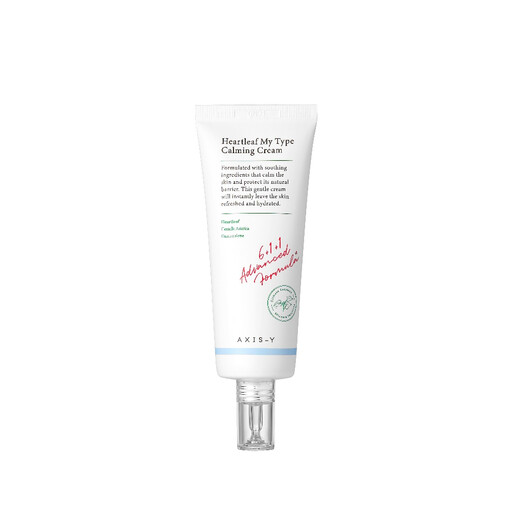
Why this product suits this profile: This water-based gel cream may suit anyone looking for moisture without a heavy or sticky feel. The product description says it is suitable for sensitive and acne-prone skin.
Its lightweight texture addresses the risk of using overly rich skincare on oily combination skin. The product information states that it is non-comedogenic and dermatologically tested; individual reactions may vary.
60 ml; the ingredients list includes Heartleaf, Centella asiatica extract, glycerin, sodium hyaluronate and allantoin.
We’ve put together a complete, regularly updated list of products that meet these strict selection criteria and comply fully with the safety regulations in force in the EU.
Start by using a new soothing face cream sparingly. After cleansing, apply a small amount to your face and neck. If your skin is dry, a second thin layer in the evening may help; for combination skin, less product is often enough on the T-zone.
Before using it all over your face, test it on a small area of skin, ideally for 24 hours. Avoid introducing new serums, exfoliants and creams at the same time. This makes it easier to identify which product may have caused a reaction.
A light, non-comedogenic face cream can be a good starting point. Also check the ingredients list for your individual sensitivities, look for a non-greasy texture and carry out a patch test. If skin problems are persistent or severe, seek dermatological advice.
It depends on the texture, your skin’s condition and the product instructions. In many cases, applying it after cleansing in the morning and evening is enough. Stop using it if you experience stinging, itching or increasing redness.
Check the period-after-opening symbol, the printed best-before date and the information on the packaging. Heat, direct sunlight and moisture can affect product quality. Always close the cream properly and store it according to the manufacturer’s instructions.