
Lieferung heute & morgen

Qualitätsgarantie

Willkommens-Angebote freischalten: KOSTENLOSE Lieferung | Bis zu 80 % RABATT | Kostenlose 30-Tage-JoyPlus-Testphase
App herunterladen
A face cream should hydrate your skin, spread easily and suit your individual needs. Yet eye-catching packaging, trendy terms and vague marketing claims often lead to disappointing purchases. When choosing a facial moisturiser, it’s worth looking at your skin type, the texture, ingredients and directions for use rather than relying on product promises alone.
Many formulas are marketed as suitable for everyone. That can be convenient, but it tells you little about the texture or level of care you’re looking for. A rich cream may feel comfortable on dry skin, but too heavy on oily or blemish-prone skin. Conversely, a light gel cream may not be enough for very dry skin.
Terms such as PDRN, retinol, hyaluronic acid and ceramides can raise expectations. But what matters is the formula as a whole, the concentration, how well your skin tolerates it and how you use it. A single ingredient doesn’t automatically make a Korean face cream the right choice for you.
A jar may require different hygiene habits from a tube. Texture also matters if you want to use a product regularly: you may use a sticky or heavily fragranced cream less often. So before buying, consider the packaging, amount, fragrance and finish.
For dry skin, formulas containing glycerin, oils, squalane, shea butter or ceramides are often a good option. These ingredients can help retain moisture in the skin and support the skin barrier. A face cream for sensitive skin should ideally have a straightforward formula. If you know you’re sensitive to a particular ingredient, checking the full INCI list is more useful than relying on general claims such as “gentle”.
For combination or oily skin, a light gel cream with glycerin, panthenol or hyaluronic acid may feel more comfortable. If you’re prone to blemishes, also consider how well your skin tolerates the product and how it feels on your skin. Treat the term “non-comedogenic” as a manufacturer’s claim; it doesn’t replace paying attention to how your skin responds.
A cream in a jar is easy to dispense, but you’ll need clean hands. Tubes help protect the contents from frequent contact. For morning use under make-up, lightweight textures that absorb quickly are often practical. Richer products may suit your evening routine or dry patches of skin.
Test new products on a small area of skin first. If you experience burning, redness, swelling or persistent itching, stop using the product and seek medical advice if needed. Pay particular attention to the instructions on the packaging when using retinol or vitamin A products.
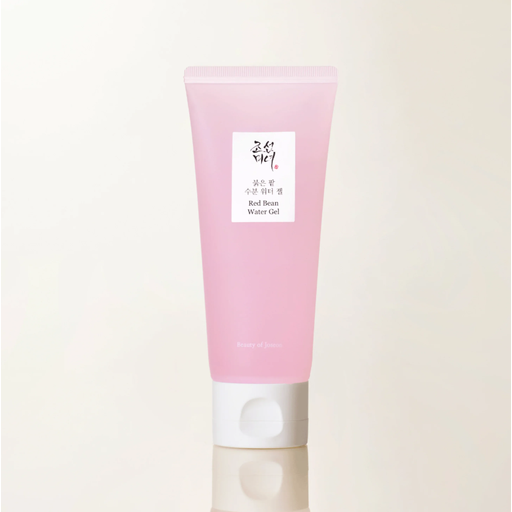
Why it suits this profile: This lightweight gel cream is a good option if you want hydration without a noticeably greasy finish.
The gel-like texture reduces the risk of daily skincare feeling too heavy.
According to the product details, the formula contains adzuki bean extract, glycerin, panthenol and allantoin.
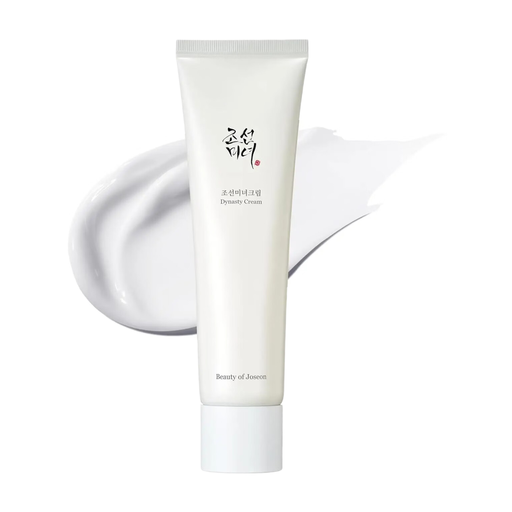
Why it suits this profile: The larger size is ideal if you’d like to make a richer face cream a regular part of your routine.
Rather than relying on vague trend terms, the product description names specific ingredients, including 2 % niacinamide, 2 % squalane and Ceramide NP.
A rich cream texture, 100 ml size and, according to the product details, no artificial fragrance or essential oils.
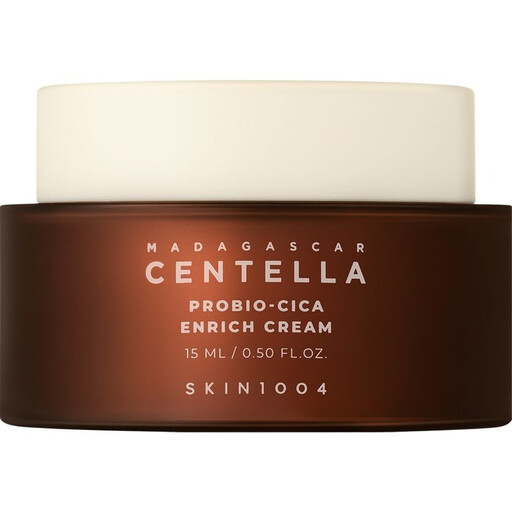
Why it suits this profile: This cream combines Centella asiatica extract, Ceramide NP, panthenol and hyaluronic acid for a nourishing routine when your skin feels dry or sensitive.
The INCI list includes several hydrating and barrier-supporting ingredients, so your choice isn’t based on a marketing term alone.
A creamy texture that, according to the product description, absorbs quickly, plus a 15 ml size for trying it out on specific areas.
We’ve put together a complete, regularly updated list of products that meet these strict selection criteria and fully comply with the safety regulations in force in the EU.
For dry skin, creams containing glycerin, squalane, shea butter, ceramides or various oils are often a good place to start. The texture should be rich enough without feeling uncomfortably tight or sticky. If your skin feels very dry, a cream with barrier-supporting ingredients may be a better choice than a light gel texture alone.
It depends on the product and how your skin feels. Many moisturisers are applied morning and evening after cleansing. A small amount is usually enough; you can adjust how much you use on dry patches. Retinol creams, however, should be introduced gradually, following the manufacturer’s instructions. It’s also a good idea to use sun protection in the morning.
Check the best-before date or the period-after-opening symbol on the packaging. Heat, direct sunlight and frequent contact can affect product quality. Use clean hands when taking cream from a jar. If the smell, colour or consistency changes noticeably, stop using the product.