
Lieferung heute & morgen

Qualitätsgarantie

Willkommens-Angebote freischalten: KOSTENLOSE Lieferung | Bis zu 80 % RABATT | Kostenlose 30-Tage-JoyPlus-Testphase
App herunterladen
A face cream should provide moisture, spread easily and suit your skin’s condition. However, product names and marketing claims do not always lead directly to the right choice. Terms such as “Repair”, “Glow” or “Anti-Aging” often describe a product’s positioning, but on their own they say little about texture, skin compatibility or the precise formulation.
As a Joybuy Product Recommendation Officer, I therefore filter the most important buying criteria: skin type, ingredients, application and possible limitations. This makes it easier to compare a moisturiser for the face more objectively.
A niacinamide cream, retinol cream or PDRN cream may contain interesting ingredients. However, the product as a whole is what matters. Fragrances, essential oils, alcohol or certain preservatives may be less suitable for some people. Plant extracts are not automatically free from potential irritants either.
If you are prone to sensitive skin or redness, check the complete INCI list and initially test a small amount on an inconspicuous area of skin.
A rich cream containing shea butter, oils or waxes may support dry skin, but can feel too heavy on oily or blemish-prone skin. A gel cream for the face, on the other hand, is often based more heavily on humectants and lighter film-formers.
Your choice should therefore take into account not only the advertised skincare benefits, but also your everyday situation: will you use the cream under make-up? Is the indoor air dry in winter? Will you apply sun protection in the morning as well?
An anti-ageing cream may contain various ingredients, such as Retinyl Palmitate, Retinol, Adenosine, Peptides or Hyaluronic Acid. These substances are not interchangeable. With retinol, it is particularly important to introduce it gradually, start with a low frequency of use and apply suitable sun protection during the day. Stop using it if you experience an adverse reaction.
A barrier cream or ceramide cream often contains Ceramides, Cholesterol, Phytosphingosines or skin-like lipid components. These combinations may appeal to people who want to focus on caring for the skin barrier. However, the name alone does not guarantee an identical formulation. Check which ingredients are actually listed in the INCI list.
Retinol products should initially be used sparingly and not necessarily every day. A retinol cream is also not automatically suitable for very sensitive skin. With a PDRN cream or niacinamide cream, it is likewise worth checking the concentration, supporting ingredients and texture. If you are introducing several new products, add them one at a time so that any skin reaction can be identified more easily.
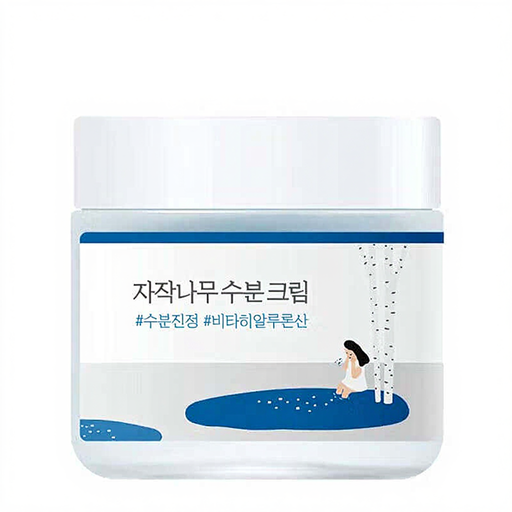
Why this product suits the profile: The 80ml size and lightweight cream formula are suitable for people looking for straightforward daily moisturising and wanting to discover K-Beauty.
The INCI list includes Glycerin, Birch Water, Panthenol and Hyaluronic Acid, among other ingredients, so the texture does not have to be judged solely by the term “Moisturizing”.
80ml content; Glycerin, Panthenol and several Hyaluronic Acid entries according to the stated INCI list.
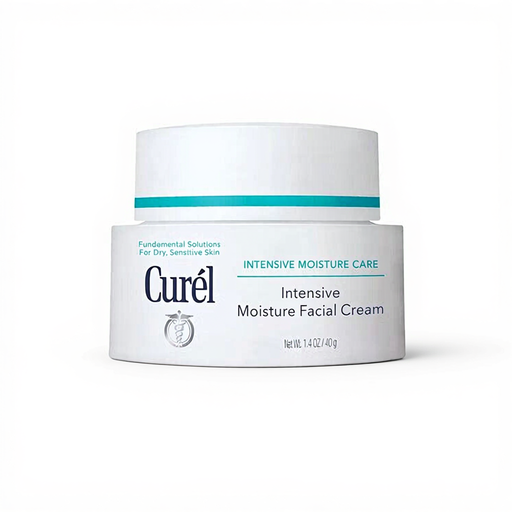
Why this product suits the profile: This skincare product, designed for dry and sensitive skin, fits a streamlined routine focused on moisture and the skin barrier.
The formulation lists Cetyl-PG Hydroxyethyl Palmitamide and Allantoin. This allows you to look specifically for barrier-focused ingredients rather than relying solely on marketing terms.
40g content; according to the product information, a lightweight, fast-absorbing texture and a ceramide-focused skincare approach.
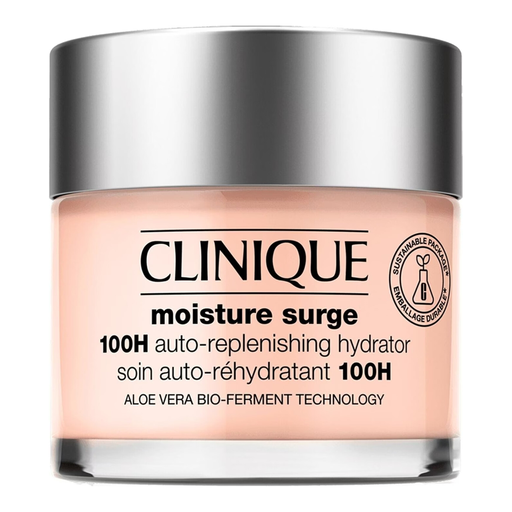
Why this product suits the profile: The oil-free gel cream in a 75ml size is practical when you want a lightweight texture in the morning, evening or for targeted application to dry areas.
The product description explicitly states that this is a lightweight, oil-free gel cream. This makes it easier for people who find rich creams too heavy for everyday use to make their choice.
75ml content; Glycerin, Trehalose, Sorbitol and Sodium Hyaluronate in the stated INCI list.
Apply a face cream after cleansing and, if applicable, after serum or toner. A small amount is usually sufficient; with rich formulas, using too much product can leave the skin feeling sticky or heavy. In the morning, use suitable sun protection if your routine includes retinol or if you will be exposed to UV rays for a prolonged period.
Pay attention to the PAO symbol, the best-before date and the batch number on the packaging. Store cosmetics in a cool, dry place away from direct sunlight. If the smell, colour or consistency changes noticeably, stop using the product. Discontinue use if you experience burning, swelling, severe itching or persistent redness.
We have put together a complete, regularly updated list of products that fully meet these strict selection criteria and the safety regulations applicable in the EU.
For a face cream for dry skin, Glycerin, Hyaluronic Acid, Ceramides, Squalane, Shea Butter or plant oils can provide useful guidance. The texture should also feel comfortable and should not leave a tight or greasy film that becomes bothersome in everyday use.
When choosing a face cream for sensitive skin, check the fragrance, essential oil and alcohol content, as well as the overall number of ingredients. A streamlined formula can make choosing easier, but does not replace a patch test. If you have an existing skin condition, dermatological advice is recommended.
The printed best-before date and the open-jar symbol are the key points to check. The latter indicates the recommended period of use after opening. Clean hands, a tightly closed jar and dry storage can help prevent unnecessary contamination.