
Lieferung heute & morgen

Qualitätsgarantie

Willkommens-Angebote freischalten: KOSTENLOSE Lieferung | Bis zu 80 % RABATT | Kostenlose 30-Tage-JoyPlus-Testphase
App herunterladen
A face cream should provide moisture, keep your skin feeling comfortably soft and supple, and fit into your individual skincare routine. Even so, many shoppers choose products that are marketed convincingly but do not suit their skin or their preferred texture in everyday use. The choice ranges from lightweight gel creams to rich face creams for dry skin.
1. A single active ingredient does not determine whether a product is suitable.
Ingredients such as hyaluronic acid, ceramides or niacinamide may initially sound clear-cut. However, the complete formulation is what matters. A hyaluronic acid face cream may feel light and water-rich, while a ceramide cream may also contain rich lipids, oils or butters. A very rich texture can feel uncomfortable on oily skin, while a lightweight gel cream may not be enough for dry skin.
2. Marketing claims about how long a product works are not automatically comparable.
Product names such as “100H” or “72H” refer to the brand’s specific marketing communication. They should not be understood as universally applicable comparison values. For your purchase, the texture, how often it needs to be applied, the pack size and your own skin concerns are often more important.
3. “For sensitive skin” does not mean that everyone will tolerate the product.
Fragrances, essential oils, plant extracts or certain preservatives can trigger unwanted reactions in some people. A skincare product marketed as a Korean face cream should therefore also be checked against the current INCI list. If you have a known intolerance, a patch test on a small area of skin is advisable.
For dry or dehydrated skin, glycerin, hyaluronic acid, Sodium Hyaluronate, panthenol and moisture-binding sugars are often relevant ingredients. An intensive moisturiser should also have a texture that feels comfortable to use every day.
For dry skin, richer formulations containing shea butter, squalane, plant oils or fatty alcohols are often suitable. If you are looking for a face cream for sensitive skin, pay particular attention to fragrances, essential oils and your own skin’s tolerance. For combination skin or skin prone to blemishes, a lightweight, non-greasy gel cream may be a better fit.
Ceramides, cholesterol and phytosphingosines are often used in products designed to support barrier protection. However, a barrier cream is not automatically suitable for every situation. Check whether the consistency works for the time of year and fits with the rest of your skincare routine.
The INCI list on the packaging is the decisive reference, as formulations can change. Claims such as “fragrance-free”, “vegan” or “non-comedogenic tested” should match the product label or the brand’s official information.
A 20 to 30 ml pack is suitable for trying a product or taking it with you when travelling. Sizes between 40 and 50 ml are common for daily facial care, while 75 to 100 ml packs may offer a different price-per-millilitre ratio when used regularly.
Gel creams usually absorb quickly and work well under make-up. Rich creams may be better suited to an evening routine or particularly dry areas of skin. An anti-ageing face cream is not a substitute for sun protection, either. In the morning, apply a suitable sunscreen afterwards if needed.
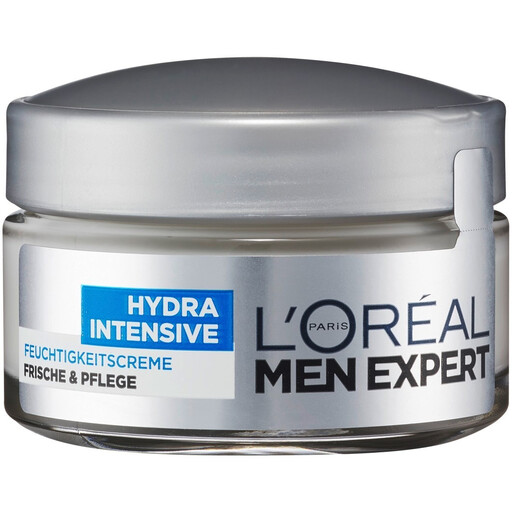
Why this product suits the profile: The 50 ml cream is indicated for dry, normal and sensitive skin and can be used in the morning and evening. The formulation includes glycerin and shea butter, among other ingredients.
The product information describes a fast-absorbing, alcohol-free formula. This makes it possible to assess the product based on specific properties rather than general marketing claims alone.
50 ml contents, glycerin and shea butter; suitable for use on the face in the morning and evening.
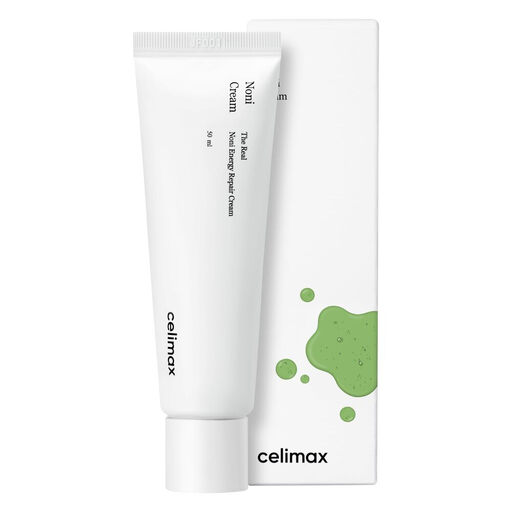
Why this product suits the profile: According to the product information, the cream combines noni fruit extract, noni seed oil, ceramides, squalane and Sodium Hyaluronate. Its richer texture is aimed at people who prefer intensive skincare.
The specific INCI list shows that, alongside plant-based ingredients, the formula also contains ceramides and other lipids. If you are sensitive to fragrances, note that it contains rosemary oil.
50 ml, Ceramide NP, squalane and shea butter; vegan formula according to the product description.
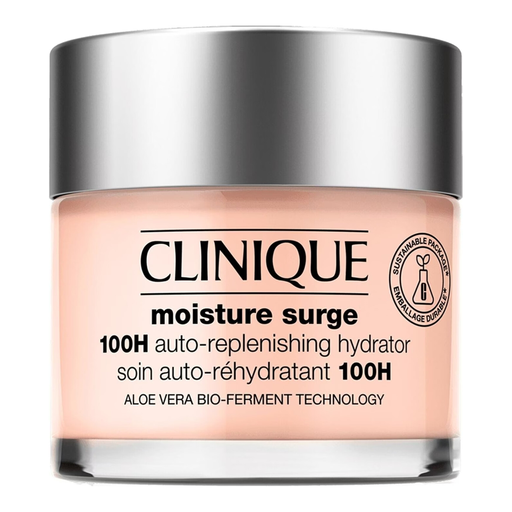
Why this product suits the profile: The oil-free gel cream contains 75 ml, is indicated for all skin types, and can be used on its own, under make-up or as a 5-minute mask.
Rather than choosing a rich cream for every situation, frequent users can incorporate the lightweight gel texture flexibly into their skincare and make-up routines.
75 ml, oil-free gel cream and Sodium Hyaluronate in the stated INCI list.
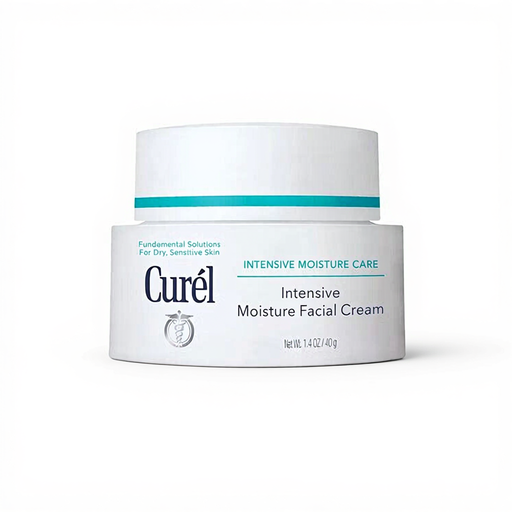
Why this product suits the profile: The 40 g cream is specifically described for dry and sensitive skin. The formula contains Cetyl-PG Hydroxyethyl Palmitamide, glycerin and allantoin.
The product description states that it has a lightweight, fast-absorbing texture without a greasy feel, as well as a fragrance-free formulation. Nevertheless, the current packaging information remains the definitive reference.
40 g, Ceramide-Care technology according to the product information and allantoin in the INCI list.
We have put together a complete, regularly updated list of products that fully meet these strict selection criteria and the safety regulations applicable in the EU.
For dry skin, richer formulations containing glycerin, shea butter, squalane, ceramides or plant oils are often worth considering. What matters is whether the cream feels comfortable and contains no known problematic ingredients. An additional night cream may be useful if your skin needs extra care.
The best-before date and the PAO symbol on the packaging are the key references, such as an open-jar symbol showing a number of months. The cream should be removed hygienically, protected from direct sunlight and stored according to the manufacturer’s instructions. Changes in smell, colour or consistency are a reason to stop using the product.
This depends on the product instructions and its texture. Many facial moisturisers are intended for use in the morning and evening. With a rich moisturiser, applying it in the evening may feel more comfortable. In the morning, use a suitable sunscreen as well if you will be exposed to the sun for an extended period. If redness, stinging, swelling or itching occurs, stop using the product and rinse your skin with water.