
Lieferung heute & morgen

Qualitätsgarantie

Willkommens-Angebote freischalten: KOSTENLOSE Lieferung | Bis zu 80 % RABATT | Kostenlose 30-Tage-JoyPlus-Testphase
App herunterladen
A face cream with SPF 50 should offer reliable everyday protection, spread comfortably and suit your skin type. Yet some product claims can lead to disappointing purchases: a lightweight texture may feel tight on dry skin, a mattifying product may irritate sensitive skin, and a tinted formula won’t necessarily suit every skin tone.
SPF mainly describes protection against UVB rays, which can cause sunburn, among other effects. For everyday use, it’s also important to look for clearly stated UVA protection. Check for markings such as UVA in a circle or “UVA/UVB”. For Korean sunscreens labelled SPF 50, look for a PA rating too.
A high SPF doesn’t mean you can spend unlimited time in the sun. Seeking shade, wearing clothing and a sun hat, and avoiding the strongest midday sun are still sensible precautions.
A sunscreen for oily skin should feel as light as possible and shouldn’t leave a very shiny film. For dry skin, moisturising ingredients and a smooth, comfortable application are often more pleasant. Fragrance-free formulas can be a useful starting point if you have sensitive skin. Always check the full ingredients list on the packaging.
A tinted face sunscreen can help even out the appearance of your skin tone, but it won’t necessarily offer the coverage of make-up. The shade can look different depending on your skin depth, undertone and how much you apply. If a product has a universal tint, try it along your jawline and neck if possible.
SPF 50 or SPF 50+ indicates very high UVB protection. Also check whether UVA and UVB protection are explicitly stated. PA++++ is a UVA protection rating commonly found on Asian products. It shouldn’t automatically be treated as equivalent to a European UVA rating.
The level of protection depends heavily on how much you apply. For the face and neck, a commonly suggested amount is around two finger lengths or about a quarter of a teaspoon. Always follow the specific application instructions provided by the manufacturer. Applying too little can significantly reduce the protection you actually get.
Use these features as a guide:
If you’re sensitive to certain fragrances, alcohol or individual UV filters, check the current INCI list on the packaging. Formulas can change. Apply sunscreen in the morning as the last step in your skincare routine, before make-up. If you’ll be outdoors for a long time, plan to reapply regularly.
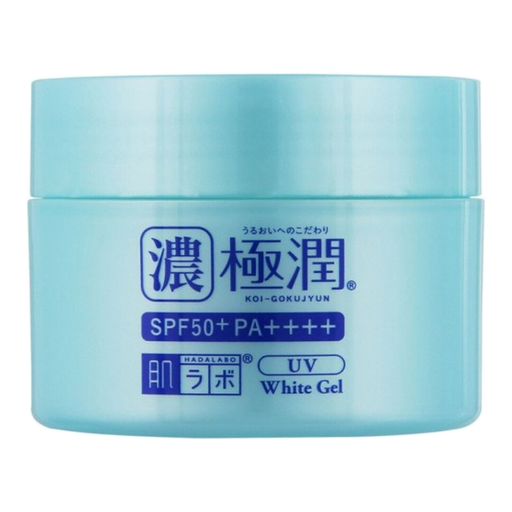
Why it suits this profile: Combining a day cream with SPF 50+ makes this an appealing option if you want to keep your morning routine simple.
The product name specifies both SPF50+ and PA++++, making it easy to check the level of protection before you buy.
90g size; described as a moisturising day cream with SPF50+.
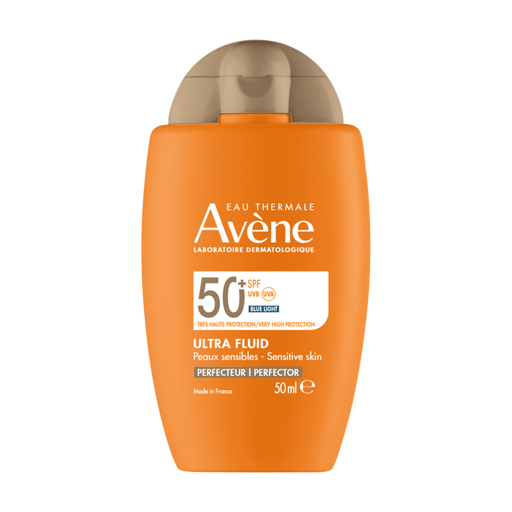
Why it suits this profile: According to the product information, its ultra-light tinted texture was developed for sensitive skin and can be used as a make-up base.
The product description makes clear that the tint isn’t a foundation, helping you avoid unrealistic expectations about its coverage.
SPF50+, UVA/UVB and short-wave HEV protection according to the product information; described as fragrance-free and water resistant.
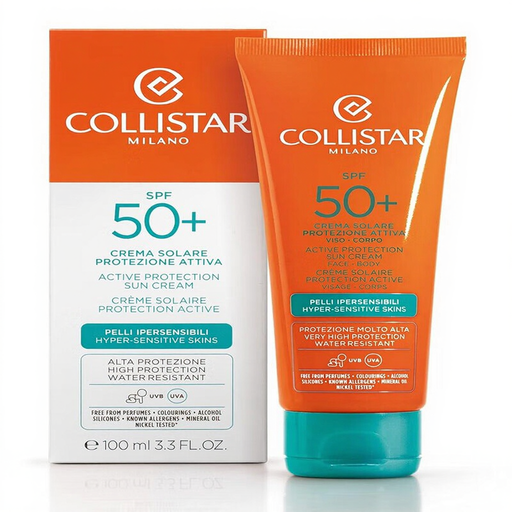
Why it suits this profile: The 100ml size and stated suitability for both face and body make it a practical choice for travel, sport and regular outdoor use.
The instructions specifically advise reapplying after swimming, sweating or drying yourself, helping to avoid the misconception that water resistance lasts indefinitely.
SPF50+; designed for face and body; described as water resistant according to the product information.
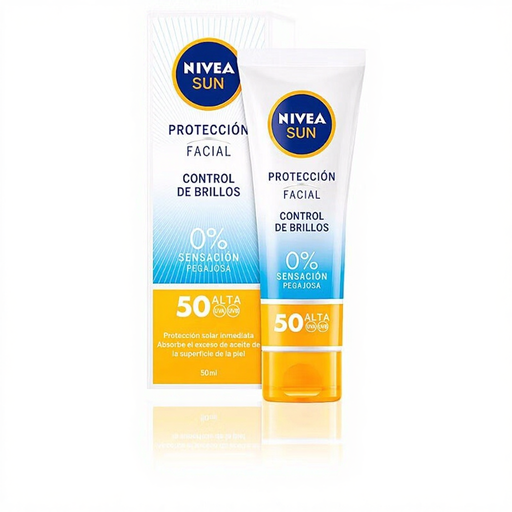
Why it suits this profile: Described as “Shine Control”, this product is aimed at anyone who prefers a less shiny finish for everyday wear.
The stated finish helps you understand what to expect before buying, but you should still check the INCI list for alcohol and fragrance.
SPF50; 50ml size; described as offering a more controlled, shine-reducing finish.
We’ve put together a complete, regularly updated list of products that meet these strict selection criteria and fully comply with the safety regulations in force in the EU.
Apply face sunscreen evenly in the morning to your face, ears, neck and hairline. Let it absorb briefly before applying make-up. Reapplication is especially important after swimming, heavy sweating, drying yourself or rubbing your skin. “Water resistant” doesn’t mean the protection stays unchanged after contact with water.
You’ll find the best-before date, batch number and period-after-opening symbol on the packaging or tube. Always follow the information given for the specific product. Store sunscreen in a cool, dry place away from direct sunlight. If a tube has been exposed to high temperatures for a long time, check it carefully before using it again.
It can be suitable for everyday trips, commuting and time spent outdoors. The right texture depends on your skin type and routine. If you’re spending a long time in direct sunlight, you’ll also need clothing, shade and regular reapplication.
Follow the amount recommended by the manufacturer. As a handy guide, around two finger lengths or roughly a quarter of a teaspoon is often suggested for the face and neck. Using less reduces the stated level of protection.
Check the PAO symbol, expiry date and information on the packaging. If the product’s smell, colour or consistency changes noticeably, stop using it.