
Lieferung heute & morgen

Qualitätsgarantie

Willkommens-Angebote freischalten: KOSTENLOSE Lieferung | Bis zu 80 % RABATT | Kostenlose 30-Tage-JoyPlus-Testphase
App herunterladen
The right face cream should moisturise, feel comfortable and suit your individual skin needs. However, marketing terms such as “Glow”, “Repair” or “Anti-Aging” reveal little on their own about how suitable a product actually is. What really matters is the ingredients list, texture, application and your skin type.
Vitamin C, hyaluronic acid, ceramides and retinol are well-known ingredients in facial skincare. Simply mentioning them does not mean that every formula works in the same way or is suitable for every skin type. For a vitamin C cream, for example, you should check which vitamin C derivative it contains. With a hyaluronic acid cream, the formula as a whole is more important than one individual ingredient.
A cream may be described as suitable for all skin types, yet feel different depending on its oils, silicones, fragrances or rich consistency. Dry skin often needs more nourishing, replenishing care, while combination or oily skin may get on better with a lighter gel cream.
A day cream with UV filters does not automatically replace a separate sunscreen applied on top with a stated sun protection factor. With products containing vitamin C derivatives or retinol, it is particularly important to use suitable sun protection during the day. Products containing retinol are usually used in the evening and introduced into your routine gradually.
First, identify your main skincare goal:
The ingredients list should ideally suit your individual tolerance. For sensitive skin, short formulas without perfume can make it easier to choose. This does not automatically mean that a fragranced cream is unsuitable; however, fragrances such as limonene, linalool or geraniol should be taken into account if your skin reacts to them.
Gel creams usually absorb more quickly, while rich creams can leave a more nourishing film on the skin. For daily use under make-up, a fast-absorbing texture is often practical. Jars make it easy to dispense the product, whereas tubes reduce direct contact with it.
Also compare the volume: 40 ml, 50 ml, 75 ml or 100 ml are not directly comparable. The recommended amount to apply and how often you use the product affect how long it will actually last.
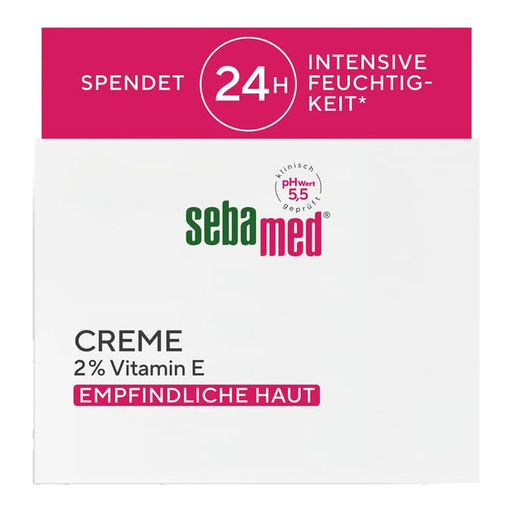
Why this product suits the profile: The 75 ml emulsion is designed for daily facial skincare and contains glycerine as well as 2% vitamin E. Its stated pH value of 5.5 may appeal to shoppers who look for a formula suited to the skin’s natural pH.
The formula lists specific ingredients and the pH value instead of relying solely on general Glow or Anti-Aging claims. However, the INCI list also contains fragrances.
75 ml volume; glycerine, vitamin E derivative and pH information stated in the product description.
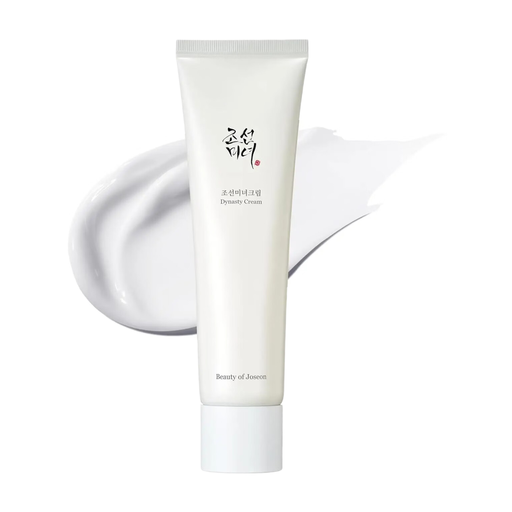
Why this product suits the profile: The 100 ml size is suitable for people who use face cream regularly and over larger areas. The formula contains ingredients including niacinamide, squalane, rice water, ginseng root water, ceramide NP and several forms of hyaluronic acid.
The larger volume is paired with a clearly listed ingredients list. If you want to avoid fragrances, you should still check the packaging information for the specific product.
100 ml volume; combination of niacinamide, squalane, ceramide NP and forms of hyaluronic acid.
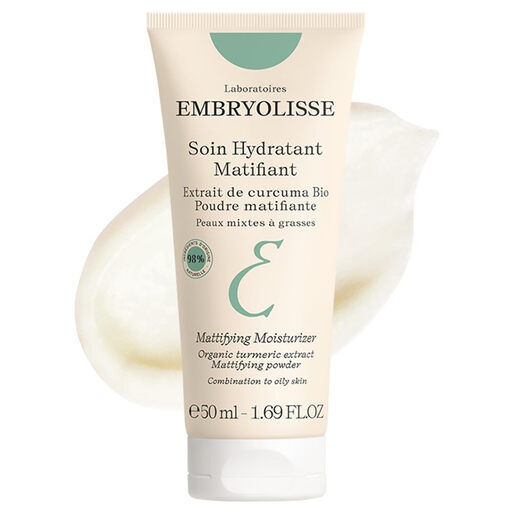
Why this product suits the profile: According to the product description, this mattifying face cream is intended for combination to oily skin. Glycerine, squalane and mattifying powders combine moisturising care with a less shiny finish.
The choice of texture focuses on how the product feels and the finish it leaves. If you have sensitive skin, check the stated fragrance content before buying.
50 ml contents; mattifying powders and squalane according to the product description; designed for use in the morning and evening.
We have put together a complete, regularly updated list of products that fully meet these strict selection criteria and the safety regulations applicable in the EU.
Apply your face cream to slightly dry skin after cleansing. In a multi-step routine, it usually follows your serum or toner. Start with a small amount and observe how your skin responds over several applications.
If you have sensitive skin, a patch test on a small area is recommended. If redness, itching, stinging or swelling occurs, stop using the product. Products containing retinol are generally used in the evening and initially at longer intervals. The specific instructions on the packaging and product page take precedence.
A face cream for dry skin often contains humectants such as glycerine or hyaluronic acid, as well as replenishing ingredients such as squalane, oils or ceramides. A richer texture may be useful if your skin feels tight after cleansing.
It is usual to apply it in the morning and evening after cleansing. If your skin is very dry, an additional thin layer on particularly stressed areas may be beneficial. Be sure to follow the manufacturer’s instructions.
The best-before date and the open-jar symbol on the packaging are the key indicators. Store the product in a dry place, away from direct sunlight and preferably at room temperature. If its smell, colour or consistency changes noticeably, stop using the cream.