
Lieferung heute & morgen

Qualitätsgarantie

Willkommens-Angebote freischalten: KOSTENLOSE Lieferung | Bis zu 80 % RABATT | Kostenlose 30-Tage-JoyPlus-Testphase
App herunterladen
The right face cream should do more than smell pleasant or come in eye-catching packaging. What matters is whether it matches your skin’s needs, texture preferences, ingredients, application and tolerance. Anyone guided solely by claims such as “24-hour hydration”, “lifting effect” or “glow” may end up buying a product that does not suit their skin in everyday use.
This buying guide from the Joybuy Product Recommendation Officer explains what people in Germany should look for in 2026 – from hydrating face creams to anti-ageing formulas.
Terms such as “anti-ageing”, “barrier repair” or “for dark spots” generally describe a product’s intended focus, but they do not guarantee a specific outcome. The appearance of your skin depends on factors including skin type, UV exposure, your skincare routine and individual tolerance.
For products with specific percentage claims or study-based results, buyers should check who conducted the research, how many people took part and under what conditions the results were obtained. According to a clinical study by Beauty of Joseon, certain changes were documented in 22 people after four weeks of using the “Revive Revive Firming Ginseng + Retinol Moisturizer”. These findings relate to the cited study and cannot automatically be applied to every individual.
A rich cream may work well for dry skin but leave oily or blemish-prone skin feeling heavy. Conversely, a lightweight gel may not provide enough moisture for dry skin during winter. Even a non-comedogenic face cream is not automatically ideal for everyone, as individual reactions are possible.
A 100 ml jar may appear attractive in terms of quantity. However, if the cream is used only occasionally or removed unhygienically after opening, a smaller format may be more practical. Estée Lauder Revitalizing Supreme+ Cream, for example, is available in a 15 ml travel size. This can be useful for short trips or for trying the texture, while larger packs may make more sense for regular use.
Dry skin often benefits from creamy formulations containing glycerin, squalane, shea butter, ceramides or hyaluronic acid. A hyaluronic acid cream provides moisture-binding ingredients; in addition, a cream with a suitable lipid phase should help retain moisture in the skin.
For combination, oily or blemish-prone skin, lightweight gel creams and lotions are often more comfortable. Ingredients such as niacinamide can form part of a balanced skincare routine. However, a niacinamide cream should not be chosen based on its percentage alone. The overall formula, fragrance ingredients and personal tolerance are equally important.
For sensitive skin, it is worth reviewing the complete INCI list. Fragrance, essential oils, denatured alcohol and numerous botanical extracts can be problematic for some people. This does not mean these ingredients are unsuitable in every case. If you already know that your skin is sensitive, however, they should be considered carefully.
A cream for sensitive skin should ideally fit into a simple, manageable routine. Test new products on a small area of skin first. If persistent redness, burning, itching or swelling occurs, discontinue use and seek medical advice if necessary.
A face cream for dark spots does not automatically replace comprehensive sun protection. According to the product information, the Eucerin Anti-Pigment products featured here contain SPF 30 and Thiamidol. Additional sunscreen may be required during prolonged UV exposure.
Products containing retinol are better suited to a targeted evening routine. Skin may become more sensitive, making adequate UV protection during the day particularly important. Anyone who is pregnant, breastfeeding or using dermatological products should consult a medical professional before using retinol-based skincare.
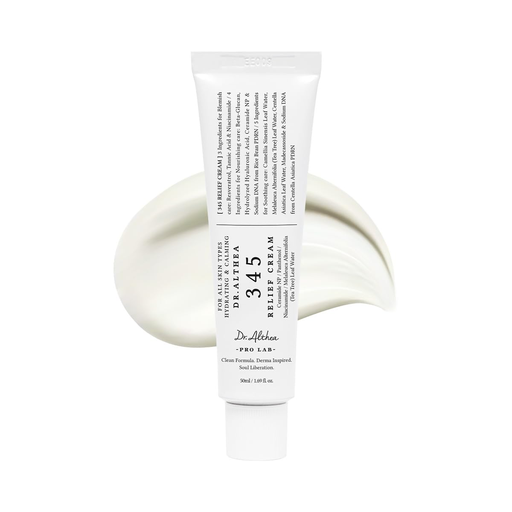
Why it fits this profile: According to the product description, this lightweight Korean gel cream is intended for sensitive, redness-prone, combination and oily skin.
The formula is designed to feel lightweight and is described by the brand as having been tested for non-comedogenicity. A tolerance test is still advisable.
50 ml, with niacinamide, panthenol, ceramide NP and sodium hyaluronate; according to the product information, free from artificial fragrances and colourants.
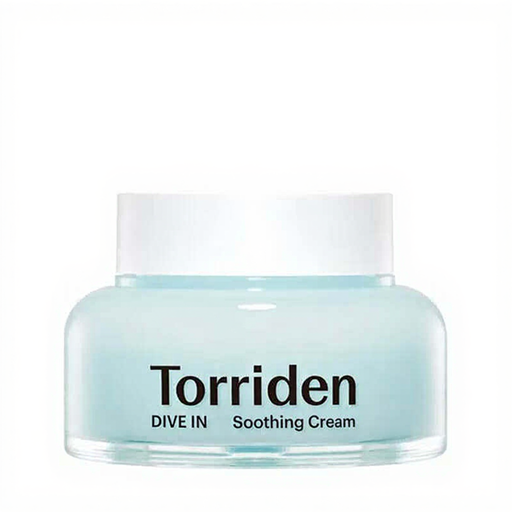
Why it fits this profile: This Korean face cream has a lightweight texture and contains several forms of hyaluronic acid for daily hydration.
The “5D” designation should not be assessed in isolation. The complete INCI list, skin feel and how the product works with a final moisturising layer are also important.
100 ml, with several hyaluronic acid derivatives, glycerin, panthenol and allantoin; according to the supplier, suitable for all skin types.
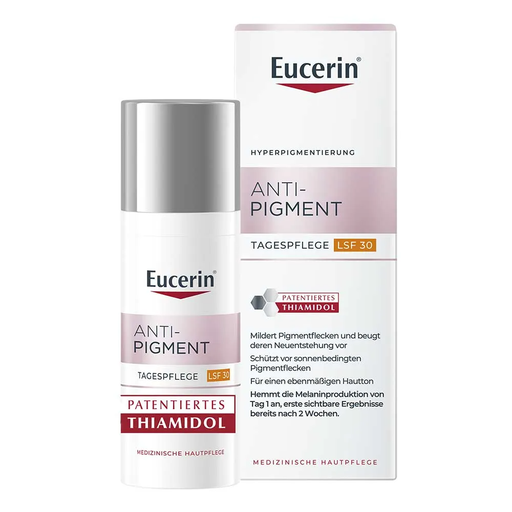
Why it fits this profile: For anyone looking for a daytime moisturiser with SPF 30 and a skincare concept focused on dark spots.
The sun protection factor is clearly stated. However, it does not replace applying an appropriate amount or reapplying during prolonged sun exposure.
SPF 30, UVA, UVB and blue-light protection according to the product description; lightweight, fast-absorbing texture.
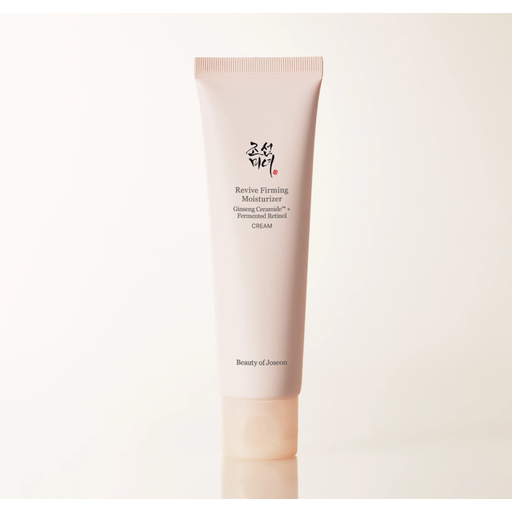
Why it fits this profile: According to the product description, this cream is intended for people who want to introduce a lightweight retinol product focused on skin texture and mature skin into their routine.
Retinol should not be treated as an overnight solution. Introduce it gradually; a patch test is particularly important for sensitive skin.
60 ml, gel-cream texture, non-comedogenic according to the supplier; contains fermented retinol and Ginseng-Ceramide.
Anyone looking for a particularly rich barrier cream may wish to consider the Dr. Althea 147 Barrier Repair Cream with ceramides, cholesterol and several forms of hyaluronic acid. For very dry or stressed-looking skin, the Avène Cicalfate+ Protective Cream may also be suitable for targeted use.
Skincare for mature skin does not necessarily have to contain retinol. Alternatives include formulas with peptides, adenosine, niacinamide or squalane, such as Estée Lauder Revitalizing Supreme+ Cream or Centellian24 Madeca Cream Time Reverse. If you are sensitive to fragrance, check the relevant INCI list.
Explore the full selection of face creams for different skin types, textures and skincare goals. Always check the ingredients, pack size and usage instructions before buying.
The best-before date and the period-after-opening symbol – such as “12M” or “24M” – are the key guidelines. Taking the product out with clean hands, closing it properly and storing it away from direct sunlight can help preserve its quality.
A cream with a straightforward formula and none of your known personal irritants can be a sensible starting point. Test new products on a small area of skin first. If irritation persists, discontinue use.
This depends on how long you spend outdoors, how much product you apply and the level of UV exposure. For everyday use, a daytime moisturiser with SPF 30 can be convenient. When spending longer periods outdoors, applying a separate sunscreen in a sufficient amount and reapplying it regularly is often easier to manage.