
Lieferung heute & morgen

Qualitätsgarantie

Willkommens-Angebote freischalten: KOSTENLOSE Lieferung | Bis zu 80 % RABATT | Kostenlose 30-Tage-JoyPlus-Testphase
App herunterladen
A face cream should hydrate your skin, feel pleasant to use and suit your individual needs. There’s plenty to choose from, from lightweight gel creams and hyaluronic acid creams to rich barrier creams. But if you shop based only on marketing claims such as “Glow”, “Repair” or “Anti-Aging”, you could end up with a product that doesn’t work for you day to day.
This buying guide explains which details on the packaging and product page are genuinely useful, and which moisturising face cream might suit different skin needs.
Terms such as “soothing”, “regenerating” or “firming” often describe how a product is positioned, but they aren’t a consistent quality standard. The specific INCI list, texture, size and directions for use are more informative.
For example, you shouldn’t choose a face cream for sensitive skin just because it has a soothing-sounding name. Fragrances, essential oils or certain preservatives may not suit everyone. Reactions vary from person to person, so test the product on a small area of skin first.
Oils, waxes and butters can leave your skin feeling protected. But a very rich formula may feel heavy on combination or oily skin. Lightweight gel creams containing glycerin, panthenol or hyaluronic acid are often more comfortable for everyday use.
Conversely, a lightweight hyaluronic acid cream on its own may not be enough for dry skin if it also needs nourishing lipids. The key is to find the right balance of humectants and skin-conditioning ingredients.
An anti-ageing cream may contain ingredients such as retinol, adenosine, peptides or niacinamide. That doesn’t mean everyone should use several active products at once. If you have sensitive skin, introduce new products gradually. If a product contains retinol, follow the warnings on the packaging. You should also include a suitable sunscreen in your daytime skincare routine.
The time of year can also make a difference. In summer, a lightweight soothing face cream may feel more comfortable, while in winter a richer ceramide cream may be a better fit.
Glycerin, hyaluronic acid and panthenol are common humectants. Ceramides, cholesterol and phytosphingosine are often used in formulas designed to support the skin barrier. Centella asiatica is often found in a Centella cream, while niacinamide is used in skincare products to complement your daily routine, depending on its concentration and how well your skin tolerates it.
The order of ingredients in the INCI list gives you a general idea of their relative amounts, but it isn’t a substitute for assessing the product as a whole. Formulas can change, so always check the ingredients listed on the packaging you receive.
A 15 ml travel size is handy for holidays or trying a product out, while sizes of 50 to 80 ml are more suited to everyday use. Also check:
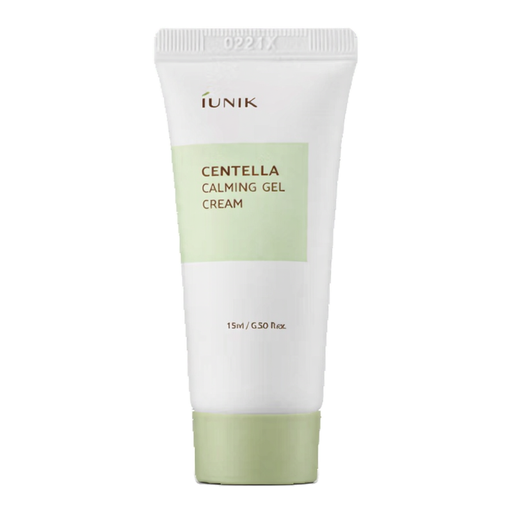
Why this product suits this profile: The small size makes it a good option for trying out or taking with you when travelling. According to the product description, the gel cream contains Centella extract and tea tree leaf water.
The travel size reduces the risk of buying a large pack of a texture that doesn’t suit you.
15 ml size, lightweight gel cream, described as suitable for daily use.
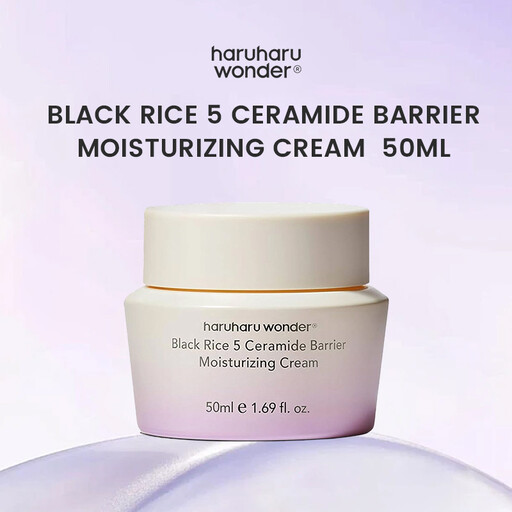
Why this product suits this profile: The formula lists a ceramide complex, fermented black rice, allantoin and vitamin E. It could suit a structured skincare routine focused on supporting the skin barrier.
The choice is based on specific listed ingredients rather than a vague “Glow” or anti-ageing claim.
50 ml size and several listed ceramides in the INCI list.
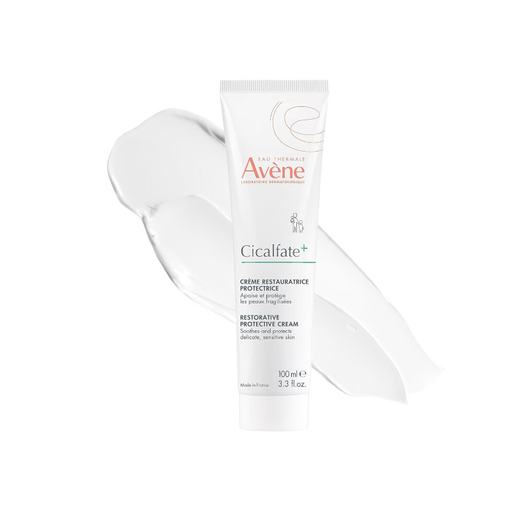
Why this product suits this profile: The 100 ml tube is designed for regular use and targeted application to dry or stressed areas of skin.
The product details list specific ingredients such as glycerin, zinc oxide and Avène Thermal Spring Water, rather than making an unexplained claim about how it works.
100 ml size, tube packaging and, according to the product details, suitable for adults, children and babies.
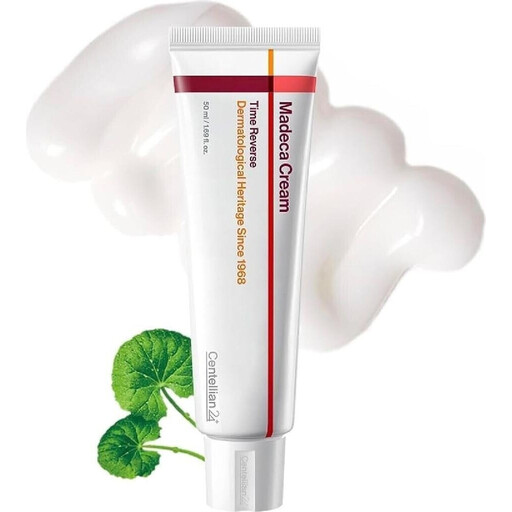
Why this product suits this profile: According to the product details, the formula combines Centella ingredients, peptides, ceramides, niacinamide and retinol for a targeted evening routine.
The product clearly identifies retinol as an ingredient, making it easier to fit the cream thoughtfully into your existing routine.
50 ml size and an extensive INCI list featuring Ceramide NP, adenosine and retinol.
We’ve put together a complete, regularly updated list of products that meet these strict selection criteria and fully comply with the safety regulations in force in the EU.
Apply face cream to slightly dry skin after cleansing. If you’re using several products, layer them from the lightest to the richest, waiting briefly between each step. Test new formulas on a small area of skin first. Stop using the product if you experience stinging, itching, persistent redness or a rash. A cream is not a substitute for a medical assessment by a dermatologist if you have ongoing skin problems.
Richer formulas containing glycerin, squalane, shea butter, oils or ceramides are often a good fit. What matters is whether your skin feels comfortably moisturised after application, without feeling tight or looking shiny for a long time.
This depends on the product. Check the best-before date and the open-jar symbol, which shows how long the product can be used after opening. Heat, direct sunlight and repeatedly touching the cream with your fingers can affect its quality.
Many moisturisers are designed for use both morning and evening. However, if a product contains retinol or other active ingredients, follow the manufacturer’s directions. It’s also a good idea to apply a suitable sunscreen in the morning.