
Lieferung heute & morgen

Qualitätsgarantie

Willkommens-Angebote freischalten: KOSTENLOSE Lieferung | Bis zu 80 % RABATT | Kostenlose 30-Tage-JoyPlus-Testphase
App herunterladen
A face cream should hydrate the skin, feel pleasant to apply and suit your individual skin needs. Yet ambitious ingredient claims, unclear textures and incomplete product information often lead to disappointing purchases. K-Beauty products in particular frequently feature terms such as PDRN, collagen, “glass glow” or barrier cream. On their own, however, these labels do not indicate whether a formula is right for your skin.
This buying guide from the Joybuy Product Recommendation Officer explains the key selection criteria and presents a range of face creams for different needs.
Hyaluronic acid, niacinamide, collagen and PDRN are common ingredients in modern skincare. Their mere inclusion does not mean that every hyaluronic acid cream performs in the same way. The overall formula, concentration, skin compatibility and application method are all relevant factors.
Terms such as “anti-ageing cream” generally describe a product’s positioning. They do not guarantee that wrinkles, pigmentation or loss of elasticity will disappear completely.
A rich cream for dry skin may feel heavy on oily or blemish-prone skin. Conversely, a very lightweight gel cream may not provide enough comfort in winter or for severely dry skin. When choosing a product, consider not only the ingredients but also the cream base, oil content and finish.
A face cream for sensitive skin should ideally have a straightforward formula. Fragrances, essential oils, menthol and exfoliating acids may be problematic for some people. Check the current INCI list on the packaging and perform a patch test before first use.
The ingredients list follows a defined order: ingredients present in higher concentrations generally appear further towards the front. Also bear in mind that product descriptions and formulas can change. The INCI list on the actual packaging is the authoritative reference.
For example, PDRN creams may list “Sodium DNA” or “Polydeoxyribonucleotide”. This provides factual information about the formula, but does not prove any specific cosmetic or medical effect.
Creams in jars should be removed with clean hands or a spatula. Tubes and pump dispensers reduce direct contact with the product. Also compare the fill size: 15 ml is suitable as a travel size, while 50 to 100 ml may be more practical for regular use.
When using retinol or AHA products, suitable daytime sun protection is advisable. If redness, itching or stinging occurs, discontinue use. Check the product’s shelf life, batch number and the manufacturer’s instructions.
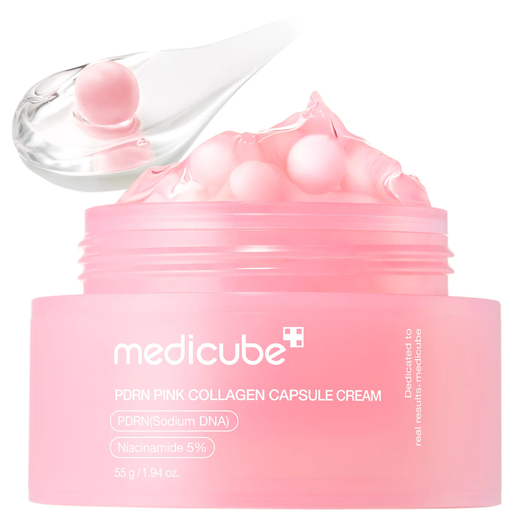
Why it stands out: This gel cream with collagen capsules is aimed at those who appreciate an eye-catching texture and a lightweight, luminous finish.
The product description mentions a gel base, capsules, niacinamide, ceramides and several forms of hyaluronic acid. If you prefer a fully matte or completely fragrance-free product, check the packaging information.
Lightweight gel cream; PDRN, collagen and hyaluronic acid listed in the INCI description; 55 g size.

Why it stands out: The cream combines ceramides, cholesterol and seven listed forms of hyaluronic acid for richer everyday hydration.
The formula is focused on hydration and the skin barrier, with no exfoliating acid taking centre stage in the listed INCI extract. Those with very oily skin should assess the texture on an individual basis.
50 ml; ceramides NP, AP, AS, NG, NS and EOP listed; silky finish according to the product description.
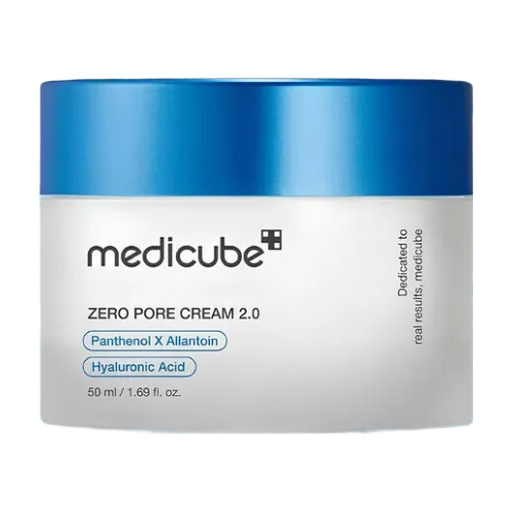
Why it stands out: This formula is worth considering if you are looking for a lightweight K-Beauty cream focused on skin texture, hydration and oily or combination areas.
Glycolic acid is listed among the ingredients. This makes patch testing and daytime sun protection particularly important; sensitive skin should start gradually.
50 ml; hyaluronic acid and glycolic acid in the stated formula; lightweight cream for combination and oily skin.
Explore a current selection of hydrating face creams for different skin types, textures and skincare routines.
Apply your face cream after cleansing and, if appropriate, after serum or toner. A small amount is usually sufficient; for dry skin, applying a second thin layer may feel more comfortable than using a large amount all at once. Follow with sun protection in the morning. New ingredients such as retinol, AHA or highly concentrated vitamin C derivatives should not be introduced at the same time as several other active products.
Look for glycerin, hyaluronic acid, ceramides, panthenol, squalane or nourishing oils. A rich barrier cream may feel more comfortable in winter or in dry indoor air. What matters most is that your skin does not feel persistently tight or greasy after application.
Follow the PAO symbol on the packaging, such as “12M” or “24M”. Store the product in a dry, cool place away from direct sunlight. If the scent, colour or texture changes noticeably, discontinue use.
An ordinary moisturiser does not replace a separately labelled sunscreen. If a cream does not display adequate, properly tested UV protection, apply a suitable sunscreen product separately in the morning.