
Lieferung heute & morgen

Qualitätsgarantie

Willkommens-Angebote freischalten: KOSTENLOSE Lieferung | Bis zu 80 % RABATT | Kostenlose 30-Tage-JoyPlus-Testphase
App herunterladen
A face emulsion usually combines a lightweight texture with nourishing and hydrating ingredients. It can be used as a hydrating emulsion for the face, face lotion or an alternative to a rich face cream. It is particularly popular with people looking for fast-absorbing skincare without a heavy feel on the skin.
However, choosing the right product is not always easy. Product names such as “Glow”, “Revitalizing” or “Brightening” often describe the effect the brand aims to deliver, but reveal little about individual skin compatibility. The key factors are the formulation, texture and intended use.
Not every emulsion is intended for the face. According to their product descriptions, Sisley Émulsion Exquise à La Rose Noir and Eucerin UreaRepair Plus Lotion 10 % are body-care products. Their textures and ingredients may be suitable for dry body skin, but they should not automatically be categorised as facial skincare.
Before buying, check the following:
A hydrating facial product may contain humectants such as Glycerin, Hyaluronic Acid, Panthenol or Sodium Hyaluronate. For dry skin, nourishing ingredients such as Squalane, oils, shea butter or ceramides are also relevant.
A lightweight formula is therefore not automatically the right emulsion for dry skin. Very dry skin may need an additional cream or a richer final step.
Names such as “anti-ageing emulsion”, “firming facial care” or “brightening skincare” should not be assessed in isolation. Instead, look for specific ingredients and pay attention to their order in the ingredients list. Fragrances and essential oils may be relevant for sensitive skin, even when a product is described as gentle or soothing.
A lightweight moisturiser is often suitable for normal, dehydrated or combination skin. A gel-like or thin face lotion may feel more comfortable during the day under sun protection and make-up. Creamier emulsions often contain more oils, esters or silicones and may be more suitable for dry skin.
For sensitive skin, we recommend taking a close look at:
A patch test on a small area of skin does not replace dermatological advice, but it can help you introduce new skincare cautiously.
For dehydrated skin, Glycerin, Hyaluronic Acid, Panthenol, Betaine and various sugar alcohols are typical humectants. Ceramides, Cholesterol, squalane and plant oils can complement skincare for dry skin.
The product description for AHC Premium EX Hydra B5 Emulsion lists panthenol, sodium hyaluronate, squalane and ceramide 3, among other ingredients. The formula also contains fragrance. If you are looking for an emulsion for sensitive skin, you should take this into account when making your personal selection.
Korean face emulsions are often used after toner. Japanese facial skincare, on the other hand, may be applied before toner, depending on the product. For example, DECORTÉ AQ Absolute Treatment Micro-Radiance Emulsion is described as being used after cleansing and before lotion.
For this reason, always follow the specific order recommended by the manufacturer. A face emulsion is usually applied to cleansed skin and gently patted in. In the morning, follow with sun protection featuring a suitable SPF. The actual amount used depends on the texture, dispenser and your personal application method.
The following recommendations categorise products according to specific usage situations. The information is based on the respective product descriptions and the ingredients listed there. Before buying, check the current packaging, as INCI lists may change.
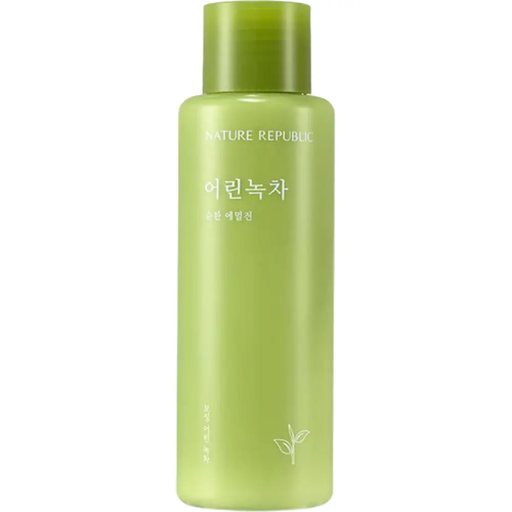
Why this product suits the profile: The emulsion is specifically intended for the face and neck and is applied after toner. This makes it suitable for a straightforward daily skincare routine.
The product information specifies the facial area, application method and clear warnings. This makes it easier to distinguish the skincare from a body lotion.
155 ml content, sodium hyaluronate and green tea, houttuynia and mugwort extracts according to the INCI list.
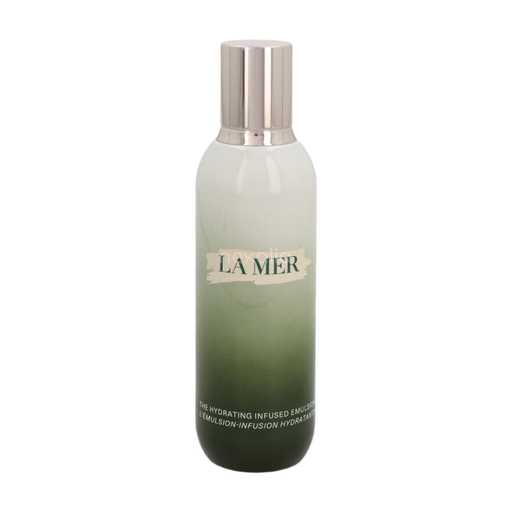
Why this product suits the profile: Its described lightweight texture and morning-and-evening application appeal to users who want to incorporate a luxurious face emulsion into a multi-step skincare routine.
The INCI list is provided and includes squalane, glycerin, algae extracts and sodium hyaluronate, among other ingredients. Fragrance and Alcohol Denat. are also listed.
125 ml content, a lightweight emulsion and several hydrating ingredients according to the product information.
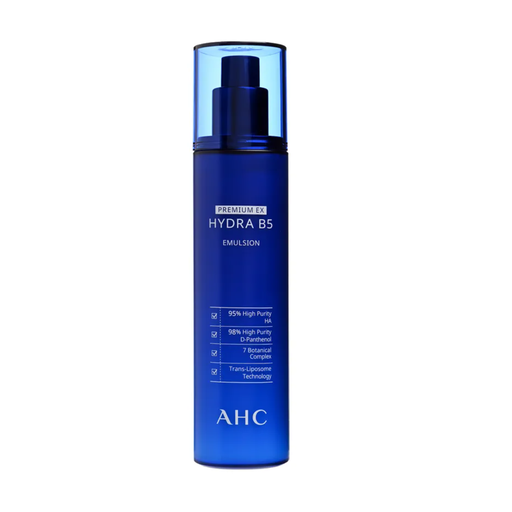
Why this product suits the profile: The emulsion is applied after toner and contains a comprehensive combination of humectants, panthenol, hyaluronic acid, squalane and ceramide 3.
The information lists the ingredients and a completed skin irritation test. However, the formula contains fragrance, so those with sensitive skin should test it cautiously beforehand.
140 ml content, panthenol at the stated concentration of 8,000 ppm and ceramide 3 according to the product information.
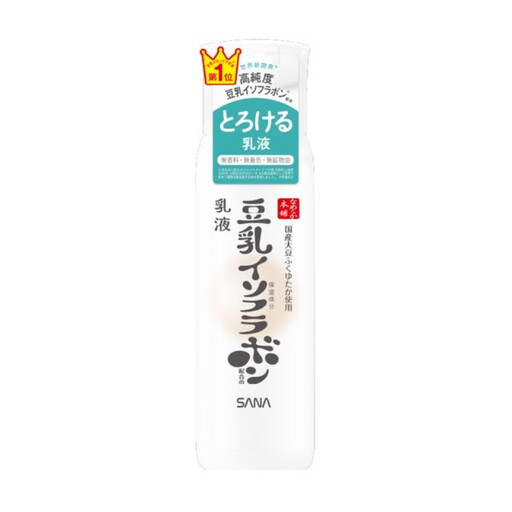
Why this product suits the profile: This Japanese emulsion is described as a lightweight, non-sticky moisturiser and is promoted as free from fragrance, colourants and mineral oil.
The product description provides information about the texture and selected exclusions. If you are sensitive to soya, the complete current INCI list remains the deciding factor.
Soya extracts and fermented soya milk are listed; the texture is described as refreshing and non-sticky.
We have put together a complete, regularly updated list of products that fully meet these strict selection criteria and the safety regulations applicable in the EU.
The order depends on the manufacturer’s instructions. The following routine often works well:
An anti-ageing emulsion or firming facial product should not be considered a substitute for sun protection. Claims about visible effects depend on the formulation, regular use and individual factors.
Yes, it may be suitable if the formula contains nourishing lipids as well as humectants. Very dry skin may require an additional face cream. Look for squalane, oils, shea butter, ceramides or cholesterol, and assess the texture within the context of your personal skincare routine.
A face emulsion is often lighter and more fluid than a classic cream. However, the exact consistency varies by brand. A face cream emulsion can therefore be used either as a standalone lightweight moisturiser or as an intermediate step before a richer cream.
The best-before date, batch code and the open-jar symbol indicating the period after opening on the packaging are the deciding factors. Keep the product closed, dry and protected from direct sunlight. Stop using it if its smell, colour or consistency changes.