
Lieferung heute & morgen

Qualitätsgarantie

Willkommens-Angebote freischalten: KOSTENLOSE Lieferung | Bis zu 80 % RABATT | Kostenlose 30-Tage-JoyPlus-Testphase
App herunterladen
A face emulsion is often the unsung hero of a skincare routine. Lighter than a cream but more substantial than a serum, it offers a unique balance that is ideal for many skin types. However, the market is crowded, and not every emulsion advertised as "lightweight" delivers on its promise. Many users invest in products that either leave a sticky film or whose hyped ingredients show little to no effect in practice.
As your Joybuy Product Recommendation Officer, I'm here to help you navigate these pitfalls. We will focus on the objective criteria that truly matter, enabling you to make an informed decision for your skin.
The most common mistakes when buying a face emulsion:
To find the right face emulsion, you should focus on three crucial factors. These will help you objectively evaluate product promises.
The texture of an emulsion is critical. It determines how the product feels on the skin and how well it absorbs.
An effective emulsion contains targeted active ingredients tailored to specific skin needs.
An emulsion is not a standalone product but a team player. It is typically applied after your toner and/or serum to lock in their active ingredients. For oily skin, it may be sufficient as a standalone moisturiser in the summer. For dry or mature skin, it serves as an extra layer of hydration before the final, richer cream.
Here are some recommendations tailored to different user profiles that meet the criteria mentioned above.
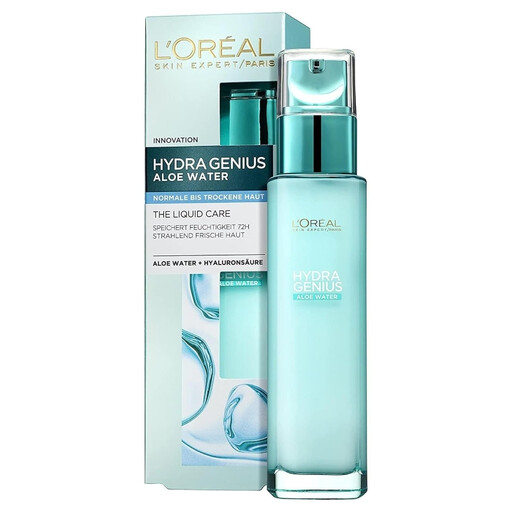
Why it's a great fit: This fluid was specifically developed for the needs of combination skin. It provides intense hydration without overloading the T-zone, making it a practical choice for everyday use in regions with often changeable weather.
It bypasses the "Stickiness Trap" with its water-based fluid texture that absorbs instantly, leaving a refreshed, mattified feel without any residue.
According to the manufacturer, the formulation with aloe vera water and hyaluronic acid provides up to 72 hours of moisture and strengthens the skin barrier.
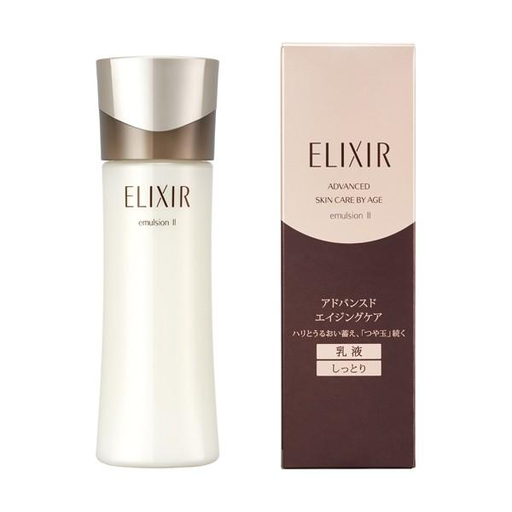
Why it's a great fit: This emulsion specifically targets the needs of mature skin that has lost firmness and elasticity. It provides rich nourishment that penetrates deeply to replenish the skin from within.
It avoids the "Single-Ingredient Hype" by offering a comprehensive formula for firmness and moisture retention, rather than relying on just one trendy active.
According to the manufacturer, the emulsion reduces the appearance of fine lines caused by dryness, a claim confirmed by an efficacy evaluation test.
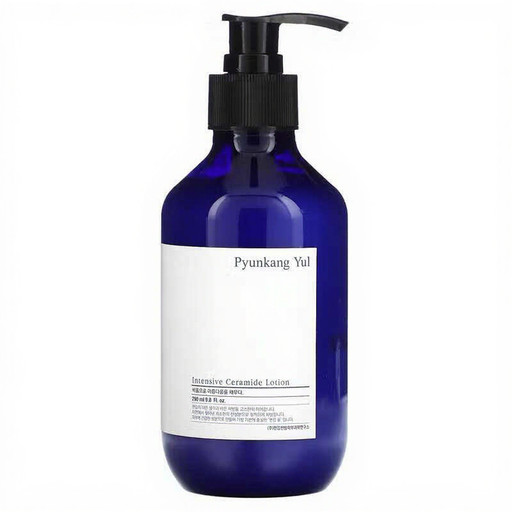
Why it's a great fit: For skin prone to dryness and irritation, a strong skin barrier is essential. This Korean emulsion focuses on strengthening the barrier with ceramides and features a gentle formulation.
It avoids the trap of potentially irritating ingredients by using a minimalist, fragrance-free formulation that focuses on proven, skin-identical lipids.
The formula contains five different types of ceramides (NP, NS, AS, AP, EOP) as well as panthenol and shea butter to comprehensively nourish and repair the skin barrier.
We've compiled a complete, up-to-date list of products that fully meet these strict selection criteria and current regulations.
The main difference lies in the texture and the water-to-oil ratio. A face emulsion has a higher water content, making it lighter and more fluid. A cream is typically thicker and richer, as it has a higher oil or fat content. Emulsions absorb more quickly, while creams often form a stronger protective barrier on the skin.
This depends on your skin type and the climate. For those with oily or combination skin, an emulsion may be sufficient as a standalone moisturiser, especially in the warmer months. People with dry or mature skin often use an emulsion as an extra boost of hydration under their regular day or night cream.
The general rule is to apply products from the thinnest to the thickest consistency. Therefore, an emulsion is typically applied after cleansing, toner, and any serums, but before a richer face cream and sunscreen.