
Lieferung heute & morgen

Qualitätsgarantie

Willkommens-Angebote freischalten: KOSTENLOSE Lieferung | Bis zu 80 % RABATT | Kostenlose 30-Tage-JoyPlus-Testphase
App herunterladen
A face emulsion combines a lightweight texture with moisturising care. It can be used as a facial fluid, moisturising emulsion or lightweight face moisturiser, and is particularly appealing when a traditional face cream feels too rich. Even so, products vary considerably in their active ingredients, UV protection, fragrances and application.
If you only look for phrases such as “intense moisture” or “radiant complexion”, you may overlook important details. Three common purchasing misconceptions frequently lead to unsuitable purchases:
Lightweight formulations containing glycerine, hyaluronic acid or a moderate proportion of emollient ingredients are often suitable for normal or combination skin. A mattifying lotion may feel more comfortable on oily skin. For dry or mature skin, additional nourishing ingredients such as squalane, plant oils or shea butter are also relevant.
People with sensitive skin should check the ingredients list particularly carefully. Fragrances, essential oils and denatured alcohol may be problematic for some people. A face emulsion described as “gentle” is therefore not automatically suitable for every type of sensitive skin.
A day moisturiser with SPF can simplify your morning routine. SPF 30 or SPF 50, for example, may be suitable for everyday use. For prolonged sun exposure, heavy sweating or contact with water, a dedicated sun protection product with reapplication is advisable.
Also check whether the face emulsion is intended for use in the morning, evening or as an additional step after toner and serum. A pre-emulsion is not always used as a standalone face cream. When trying a new product, it is advisable to test it carefully on a small area of skin first. Stop using it if redness, stinging or itching occurs.
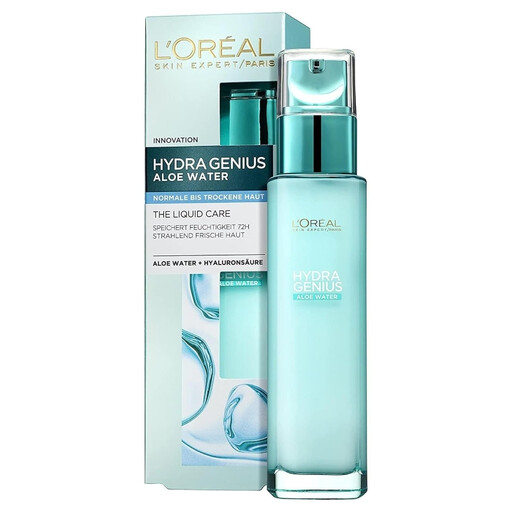
Why this product suits this profile: This fluid is indicated for normal to combination skin and can be incorporated into a simple skincare routine in the morning and evening.
The lightweight texture is clearly described as a fluid. Nevertheless, check the INCI list for fragrances and any ingredients you personally cannot tolerate before buying.
Aloe vera water, glycerine and hyaluronic acid; according to the product description, it has a fast-absorbing consistency for normal to combination skin.
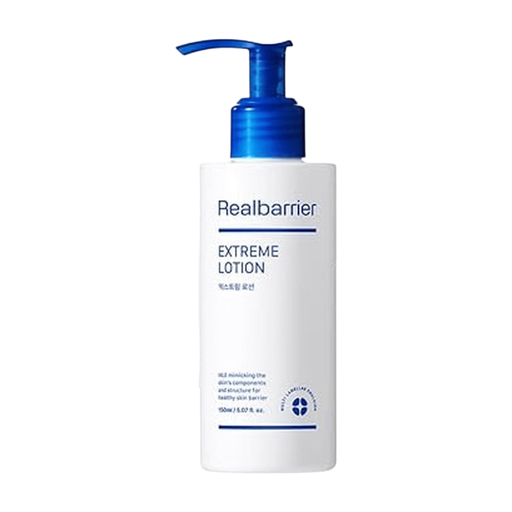
Why this product suits this profile: The formulation is aimed at people who want to combine ceramides, panthenol and a mildly acidic formula in a daily lotion.
The product details specify a triple-ceramide complex and a lightweight, non-sticky texture. For very sensitive skin, an individual tolerance test is still advisable.
Ceramides NP, AP and EOP, as well as panthenol, ectoin, sodium hyaluronate and allantoin according to the stated ingredients list.
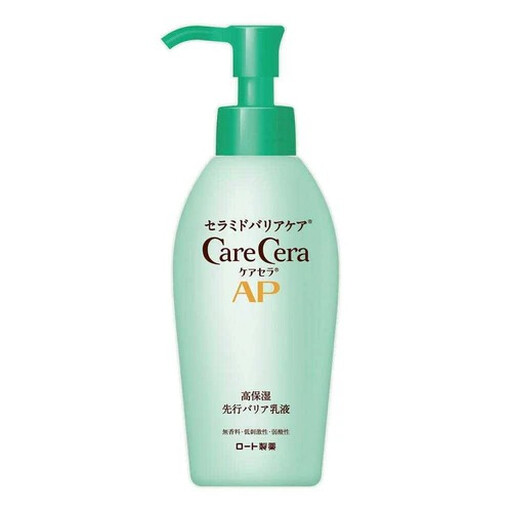
Why this product suits this profile: The pre-emulsion is applied directly after cleansing and is suitable for people who prefer to divide their routine into several skincare steps.
Calling it a pre-emulsion makes it clear that a regular moisturiser can be applied afterwards. This prevents it from being mistakenly treated as complete sun protection.
The stated INCI list includes several ceramides, glycerine, panthenol and cholesterol; it is intended for use in the morning and evening.
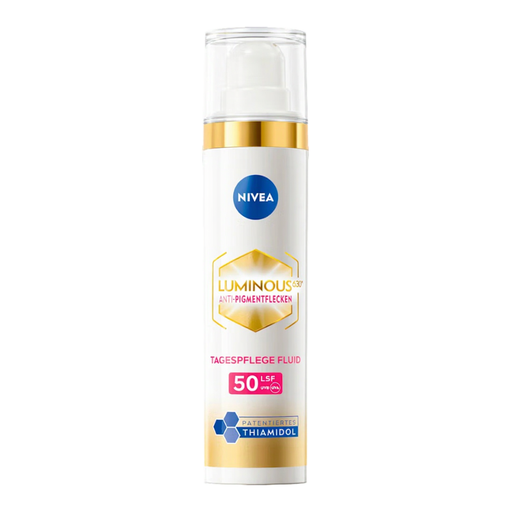
Why this product suits this profile: According to the product information, this fluid combines SPF 50 with hyaluronic acid, vitamin E and the brand’s active ingredient Thiamidol for morning skincare.
The stated SPF 50 is clearly indicated. If you are sensitive to fragrance, take note of the included fragrance ingredient, parfum.
SPF 50, sodium hyaluronate and vitamin E according to the product description; the texture is described as lightweight and fast-absorbing.
We have put together a complete, regularly updated list of products that fully meet these strict selection criteria and the safety regulations applicable in the EU.
This depends on the formulation and how your skin feels. For dry skin, emulsions containing ceramides, glycerine, hyaluronic acid, panthenol or nourishing ingredients may be suitable. If your skin feels very tight, adding a face cream may be beneficial.
A facial fluid is usually thinner and often absorbs more quickly. A face cream often contains more thickening or nourishing ingredients. However, these terms are not used consistently across the industry, so the texture, INCI list and application instructions are more informative than the product name.
The best-before date shown on the packaging and the symbol indicating the period after opening, such as “12M”, are the key points to follow. Unopened products should be stored in a dry, cool place protected from direct sunlight. If the smell, colour or consistency changes noticeably, stop using the product.