
Lieferung heute & morgen

Qualitätsgarantie

Willkommens-Angebote freischalten: KOSTENLOSE Lieferung | Bis zu 80 % RABATT | Kostenlose 30-Tage-JoyPlus-Testphase
App herunterladen
A face emulsion can be used between toner and moisturiser or, depending on the product, as a lightweight moisturising step in its own right. But choosing one for dry, dehydrated or mature skin involves more than just picking a brand. Texture, ingredients, where it fits into your routine and how well your skin tolerates it all help determine whether an emulsion is right for you.
A rich face moisturiser can feel comforting on dry skin, but may feel too heavy on combination skin. On the other hand, a lightweight moisturiser may not be enough if your skin is very dry. Terms such as “rich”, “very moist” or “fresh” describe how a product is positioned; they’re no substitute for checking its ingredients and texture.
Hyaluronic acid, collagen, peptides and plant extracts are common ingredients in a hyaluronic acid face cream or collagen face care product. But their presence alone doesn’t guarantee a particular change in your skin’s appearance. With cosmetic products, it’s important to distinguish between moisturising care and medical claims. Terms such as “lifting”, “regeneration” or “anti-ageing” should therefore be understood as product positioning, not as a promise of therapeutic effects.
Perfume, essential oils, alcohol and fragrance allergens that must be declared can be relevant for some people. If your skin is prone to redness or tightness, check the INCI list before buying and test a new moisturising emulsion on a small area of skin first. If you have an existing skin condition or have recently had dermatological treatment, it’s worth seeking personalised advice from a dermatologist.
You can apply an emulsion after cleansing and using toner. In Japanese skincare routines, it is sometimes used before lotion, depending on the brand. So there’s no universal order: always follow the instructions for the product you’re using.
INCI lists may include ingredients such as glycerin, Sodium Hyaluronate, Panthenol, Urea or Sodium PCA to help hydrate the skin. Lipid-like ingredients such as squalane, fatty acids, cholesterol or ceramides may be worth considering if you’re following a skin-barrier-focused routine. However, they don’t guarantee a particular result. The overall formula, how well your skin tolerates it and consistent use all matter if you want to strengthen your skin barrier.
Before buying, check:
For all the products featured here: don’t apply to broken skin, avoid contact with your eyes and stop using the product if irritation occurs. Always refer to the current ingredients list on the original packaging, as formulas may change.
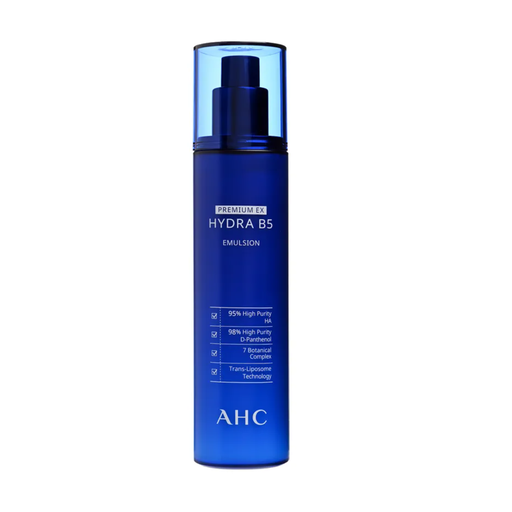
Why it suits this profile: This emulsion combines panthenol, glycerin, Sodium Hyaluronate and squalane. According to the product information, it is applied after toner. It’s a straightforward way to start a hydrating routine.
The INCI list gives you a clearer picture of the moisturising and lipid ingredients, rather than relying on the name of a single active ingredient.
140 ml, with panthenol, hyaluronic acid, Ceramide 3 and squalane listed in the formula.
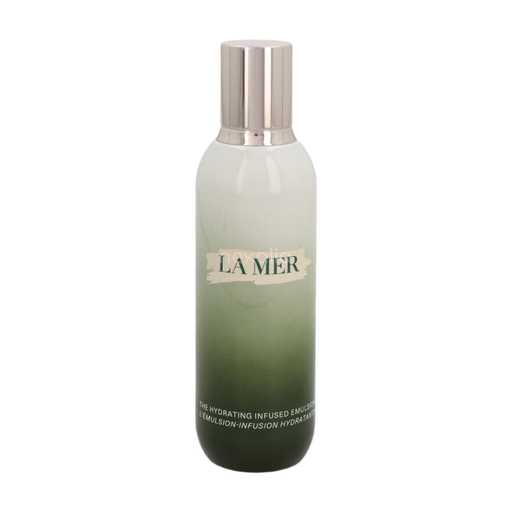
Why it suits this profile: This lightweight emulsion contains ingredients including seaweed extract, squalane, glycerin and Sodium Hyaluronate. It’s aimed at shoppers who prefer premium skincare that absorbs quickly.
The feather-light texture is clearly described. If you’re looking for a very rich moisturiser, make sure it matches your preferences.
125 ml, a lightweight consistency and several hydrating ingredients in the INCI list.
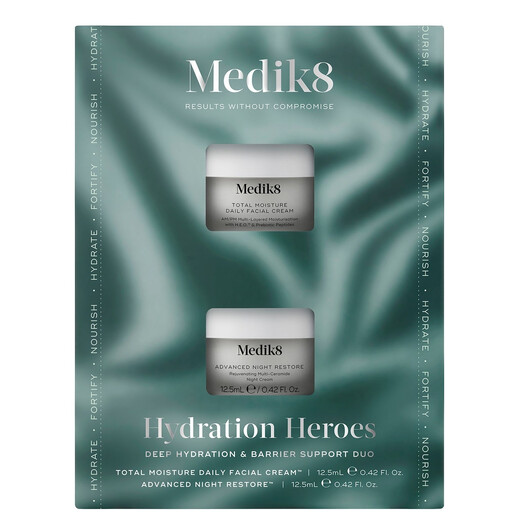
Why it suits this profile: The set includes a day moisturiser with Sodium Hyaluronate and Ceramide NP, plus a night moisturiser with several ceramides and lipids. It’s a good fit if you’d like to combine two different textures.
Separate day and night formulas mean you don’t have to compromise between a lightweight and a rich texture in one product.
A day and night skincare duo with hyaluronic acid, squalane, ceramides and other lipid ingredients.
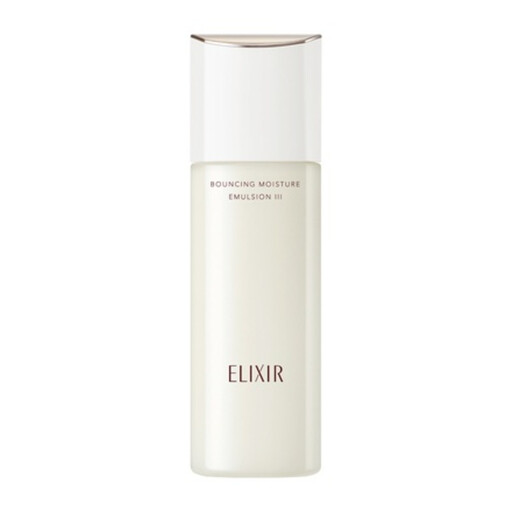
Why it suits this profile: Made in Japan, this emulsion is labelled “Very Moist” and, according to the product information, is used after lotion. It’s suited to a more intensive routine for dry skin.
Its very rich texture is clearly signposted, making it easier to judge whether it suits your skincare routine.
130 ml, with glycerin, soluble collagen and tranexamic acid listed as an active ingredient.
We’ve put together a complete, regularly updated list of products that meet these strict selection criteria and fully comply with the safety regulations in force in the EU.
It depends on the product. Emulsions are often applied after cleansing and using toner. In some Japanese skincare routines, the emulsion is used before lotion. So be sure to follow the manufacturer’s instructions on the packaging or product page.
The use-by date and batch number are shown on the packaging. Once opened, keep the emulsion tightly closed in a dry place, away from direct sunlight and heat. If its colour, smell or consistency changes, stop using it.
Richer textures with humectants and lipid ingredients are often worth considering for dry skin. Look for ingredients such as glycerin, hyaluronic acid, squalane or ceramides, and choose a face emulsion for dry skin that feels comfortable to use day to day. If you have sensitive skin, also check for fragrance and potentially irritating ingredients.