A face exfoliant is a targeted treatment designed to remove dead skin cells from the outermost layer of the skin, the epidermis. This process, also known as exfoliation, can support the skin's natural renewal process. The goal is to improve the appearance of dull skin, smooth its texture, and clear pores of excess sebum and debris. The result can be a more refined skin texture and a radiant complexion. Selecting the right product depends on its ingredients, mechanism of action, and your individual skin type.
Buyer's Guide: Which Face Exfoliant Suits Which Skin Type?
The decision to choose an exfoliating product should be based on an analysis of its mechanism of action. Essentially, there are three main categories: mechanical, chemical, and enzymatic exfoliants.
1. Mechanical Exfoliants
Mechanical exfoliants, often called a peeling cream or "scrub," contain fine abrasive particles. Through friction on the skin's surface, these particles remove loose flakes of dead skin.
- Mechanism of Action: Physical abrasion.
- Ingredients: The particles can be of natural origin (e.g., sugar crystals, salt, ground kernels) or synthetically produced (e.g., jojoba wax beads, polyethylene microbeads). Finer, rounded particles are generally gentler on the skin barrier than coarse, sharp-edged particles.
- Suitability: Primarily for normal to oily skin without active inflammation. Caution is advised for sensitive or acne-prone skin, as the friction can worsen irritation.
2. Chemical Exfoliants (Acid Peels)
Chemical exfoliants use acids to dissolve the bonds between skin cells, facilitating their removal. They work without any mechanical friction.
- AHA (Alpha-Hydroxy Acids): These include glycolic acid, lactic acid, and mandelic acid. They are water-soluble and work primarily on the skin's surface. An AHA peel is suitable for improving skin texture, superficial pigmentation, and fine lines.
- BHA (Beta-Hydroxy Acids): The most well-known BHA is salicylic acid. It is oil-soluble and can therefore penetrate deeper into the pores to dissolve sebum and debris. This makes it an option to remove blackheads and refine pores, especially for oily and blemish-prone skin.
3. Enzymatic Peels
An enzymatic peel uses enzymes, usually from fruits like papaya (papain) or pineapple (bromelain), to break down the proteins that hold dead skin cells together.
- Mechanism of Action: Proteolytic cleavage.
- Suitability: As they work without acids or mechanical friction, they are considered particularly gentle. They are a great choice for sensitive, dry, or redness-prone skin and represent a form of gentle face exfoliation.
| Exfoliant Type | Mechanism of Action | Suitable for Skin Types | Main Goal | | :--- | :--- | :--- | :--- | | Mechanical | Physical friction | Normal, oily, non-sensitive | Skin smoothing, removal of flakes | | Chemical (AHA) | Dissolves cell bonds | Normal, dry, mature, uneven | Refine skin texture, radiant complexion | | Chemical (BHA) | Dissolves sebum in pores | Oily, combination, blemish-prone | Refine pores, remove blackheads | | Enzymatic | Breaks down proteins | Sensitive, dry, all skin types | Gentle skin renewal |
Our Selection for 2026
The following products have been selected based on their formulations and technical specifications to cover a range of different needs.
Valmont Purity Face Exfoliant Cream 50 ml
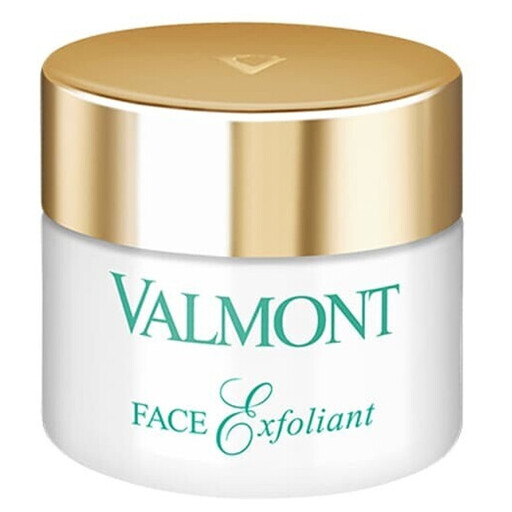
- Why we recommend this product: This product is a mechanical exfoliant distinguished by its creamy base and ultra-fine polyethylene exfoliating particles. The formula is designed to remove dead skin cells and impurities without compromising the skin's moisture barrier.
- Benefits:
- Rich, creamy texture that makes application a pleasant experience.
- Ultra-fine exfoliating particles for a controlled, mechanical exfoliation.
- Formulated to stimulate microcirculation and promote cell regeneration.
- Designed for all skin types.
- Who it's for: Users looking for an effective yet gentle mechanical exfoliating cream who value a high-quality texture. It prepares the skin for subsequent skincare products.
Filorga S P ENZYMATIC EXFOLIAT
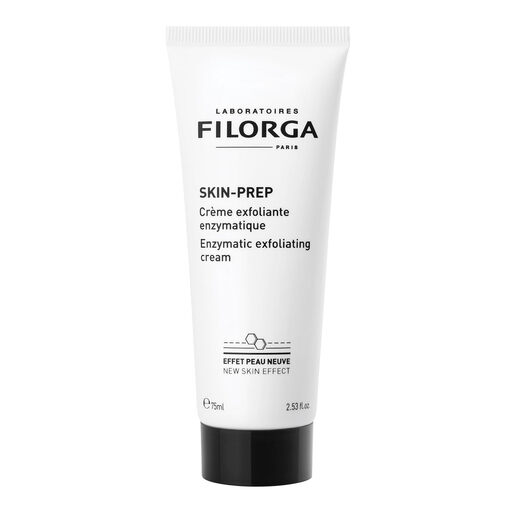
- Why we recommend this product: This product combines two mechanisms of action: an enzymatic peel with papain and a gentle mechanical exfoliation with pumice particles. This dual-action formula is designed to both dissolve impurities and clarify pores.
- Benefits:
- Dual action from enzymes and mild abrasive particles.
- Specifically targets the reduction of blackheads and the refinement of pores.
- Promotes skin renewal for a "new skin effect."
- Suitable for all skin types, including oily and blemish-prone skin.
- Who it's for: Individuals seeking a solution for clogged pores and blackheads who want to benefit from a combined enzymatic and mechanical action.
Neutrogena BRIGHT BOOST Peeling Cream 75 ml
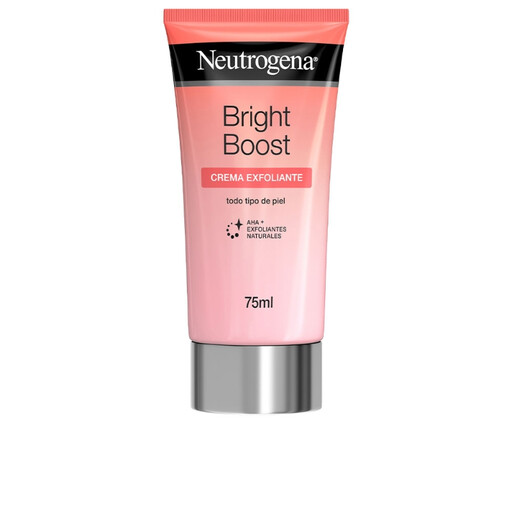
- Why we recommend this product: This exfoliating cream integrates Alpha-Hydroxy Acids (AHAs) in the form of mandelic acid and gluconolactone with mechanical exfoliating particles (Hydrated Silica). The formula is designed to accelerate skin renewal and brighten a dull complexion.
- Benefits:
- Combination of a chemical AHA peel and mechanical exfoliation.
- Contains mandelic acid, a comparatively gentle AHA.
- Developed to activate the skin's natural cell turnover.
- Aims to improve skin brightness and promote a more even skin tone.
- Who it's for: Users who want to specifically target a dull, tired complexion and prefer a combination of chemical and mechanical action in one product. Note: This product contains AHAs, which can increase the skin's sensitivity to the sun. The use of sunscreen is recommended while using this product.
Alternatives for Skin Texture Refinement
While a face exfoliant is a direct method for skin renewal, a consistent daily skincare routine is equally fundamental for an even complexion. Products that visually correct skin tone while providing nourishment can be a valuable addition. For a one-step solution for visual correction and care, you can find a selection of products in our CC Cream Cosmetic Product category.
Frequently Asked Questions (FAQ)
1. How often should you use a face exfoliant? The frequency of use depends on the product and your skin type. As a general guideline, using it once or twice a week is recommended. For very sensitive skin or highly concentrated chemical peels, less frequent use may be advisable. Always follow the manufacturer's instructions.
2. What is the difference between an AHA peel and an enzymatic peel? The main difference lies in their mechanism of action. An AHA peel uses acids (e.g., glycolic acid) to chemically dissolve the 'glue' between dead skin cells. An enzymatic peel uses enzymes (e.g., papain) to break down the protein structures of these cells. Enzymatic peels are generally considered the gentler method.
3. Can a face exfoliant help remove blackheads? Yes, certain exfoliants can help. Chemical peels with BHA (salicylic acid) are particularly effective because they are oil-soluble and can penetrate into the pores to dissolve the sebum and debris that cause blackheads. Products that combine mechanical and enzymatic components can also help to clarify pores.
Written by: Joybuy Product Recommendation Officer

