
Lieferung heute & morgen

Qualitätsgarantie

Willkommens-Angebote freischalten: KOSTENLOSE Lieferung | Bis zu 80 % RABATT | Kostenlose 30-Tage-JoyPlus-Testphase
App herunterladen
A face exfoliator can remove dead skin cells and leave your skin feeling smoother. But choosing the wrong one can quickly lead to tightness, redness or a compromised skin barrier. The key is not a flashy marketing claim, but finding the right combination of exfoliation type, ingredients and frequency of use for your skin.
A noticeable tingling sensation or intense feeling of friction is not a reliable measure of quality. A physical exfoliator with coarse particles can put unnecessary strain on sensitive skin. And a highly concentrated chemical exfoliator is not automatically suitable for every skin type.
For dry or sensitive skin, an enzyme exfoliator, a gentle PHA exfoliator or a finely formulated exfoliating mask may be worth considering. When choosing, follow the directions and prioritise how well your skin tolerates the product over its stated concentration.
The skin on your body may be more resilient than the skin on your face. So a body scrub with larger particles is not automatically suitable for your face. According to the product information, for example, Skeyndor Spa Senses Peel is intended for the body only. Products like this should not be applied to the face, eye area or mucous membranes.
Using an exfoliator regularly does not mean using it every day. Depending on the formula, once or twice a week may be enough. If you have sensitive skin, leaving a longer gap between applications may be a better option. Products containing acids or with a more intensive exfoliating action also call for extra care with sun protection.
For dry skin, hydrating ingredients such as glycerin, panthenol or hyaluronic acid can complement the formula. If you have sensitive skin, it’s worth checking carefully for fragrance, alcohol and several exfoliating ingredients used together. That doesn’t mean any one ingredient is automatically unsuitable; what matters is the formula as a whole and how well your skin tolerates it.
If you’re prone to blemishes or pigmentation, don’t expect quick results. An exfoliator can leave the surface of your skin looking smoother, but it is not a substitute for dermatological treatment. If skin changes persist, it’s a good idea to seek medical advice.
Only use an exfoliator on unbroken skin. Avoid the eye area, lips, mucous membranes, open wounds, sunburnt skin and areas that have been recently shaved or waxed.
Before using it all over for the first time, test it on a small patch of skin. If you experience burning, itching, a rash or persistent redness, wash the product off and stop using it. If you use an acid product, make suitable sun protection part of your daytime routine, as exfoliated skin may be more sensitive to UV radiation.
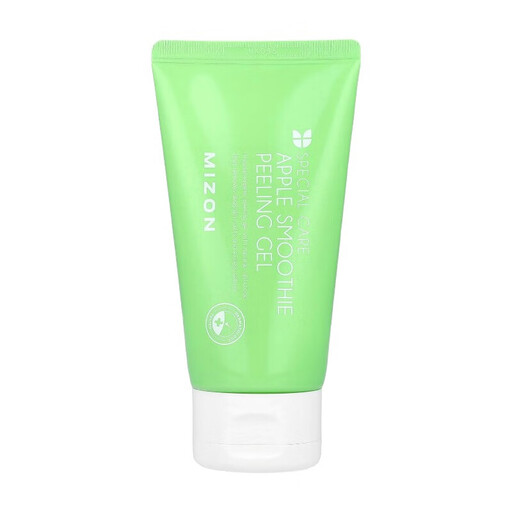
Why it suits this profile: This 120 ml gel is designed to be used once or twice a week, making it a good choice if you want to introduce exfoliation to your skincare routine gradually.
The instructions recommend limited use, helping to dispel the idea that an exfoliator needs to be used every day.
Gel texture, suitable for all genders and, according to the product information, designed for all skin types.
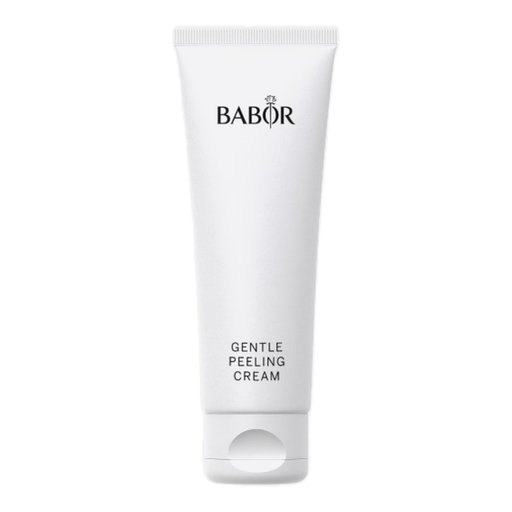
Why it suits this profile: According to the product information, this cream uses jojoba wax and cellulose as natural exfoliating particles and is designed for dry and sensitive skin.
The recommended frequency of once or twice a week helps prevent over-rubbing. The product information also advises against use on sensitive or damaged skin.
50 ml tube, plant-based exfoliating particles and additional ingredients such as glycerin, almond oil and vitamin E, according to the product description.
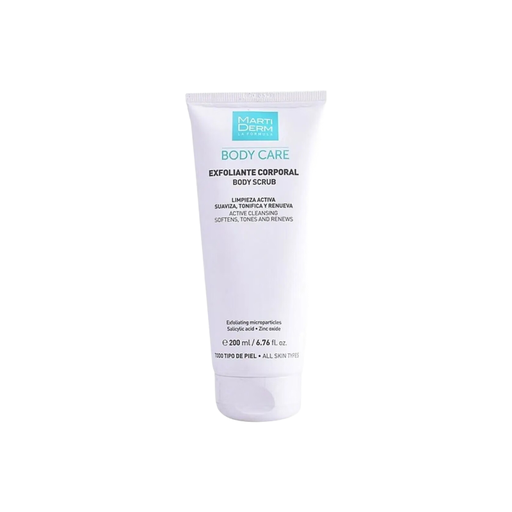
Why it suits this profile: The 200 ml size is designed for regular body care. According to the product information, it should be applied to damp skin two or three times a week.
Its clear labelling as a body product helps prevent the formula from being used on the face by mistake.
Generous size, creamy texture and silica, alumina and salicylic acid ingredients, according to the ingredients list.
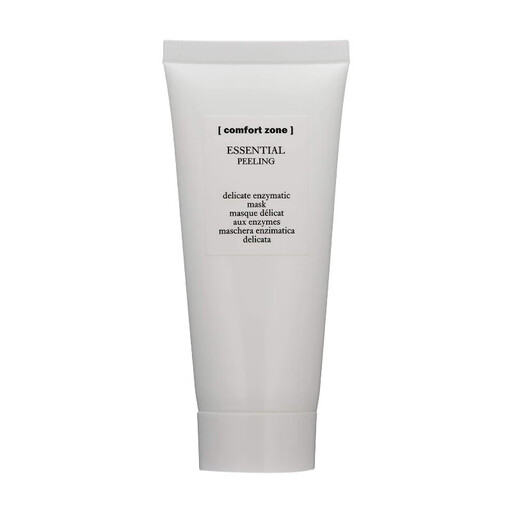
Why it suits this profile: According to the product description, this enzyme mask is designed for sensitive skin. For particularly sensitive skin, it recommends using the mask only about once every two weeks.
The low recommended frequency for sensitive skin helps guard against overuse. Apply the mask without vigorous rubbing.
60 ml size, enzyme mask formula and, according to the product information, betaine, panthenol and glycerin.
We’ve put together a complete, regularly updated list of products that meet these strict selection criteria and comply fully with the safety regulations in force across the EU.
It depends on your skin type and the formula. Physical exfoliators are often used once or twice a week. If you have sensitive or dry skin, leaving a longer gap between applications may be a good idea. Always use acid and enzyme products in line with their individual instructions.
A short ingredients list, a gentle exfoliation type and infrequent use can help you choose. Avoid using products on irritated or damaged skin. Testing the product first and applying a moisturiser afterwards are practical steps to take.
Check the best-before date and the PAO symbol on the packaging. For example, “12M” means the product should be used within twelve months of opening. Store unopened tubes in a cool, dry place away from direct sunlight. If the smell, colour or consistency changes, stop using the product.