
Lieferung heute & morgen

Qualitätsgarantie

Willkommens-Angebote freischalten: KOSTENLOSE Lieferung | Bis zu 80 % RABATT | Kostenlose 30-Tage-JoyPlus-Testphase
App herunterladen
A face exfoliator can help remove dead skin cells, smooth the skin’s surface and leave it feeling better after cleansing. But choosing the right one can be trickier than product claims might suggest. A facial scrub for oily skin won’t necessarily suit dry or sensitive skin. And the word ‘gentle’ alone tells you little about the texture, acidity or fragrance.
Large or noticeably rough particles can feel intense, but that doesn’t automatically make them a better choice. Rubbing too firmly may feel uncomfortable on sensitive, reddened or blemish-prone skin. When choosing a face exfoliator, what matters isn’t the strongest scrubbing sensation, but a texture suited to your skin and a gentle, controlled application.
A pore-cleansing exfoliator isn’t a substitute for a complete skincare routine or a medical treatment. Frequent scrubbing, or combining several exfoliating products, can put a strain on the skin barrier. Even products marketed as face exfoliators for blackheads or spots should only be used as directed by the manufacturer.
An enzymatic face exfoliator may be used differently from a traditional facial scrub. However, plant extracts, fragrances, fruit acids and enzymes can also cause individual reactions. So, when choosing a Korean face exfoliator, it’s just as worth checking the full INCI list as it is for products from Europe or Japan.
Mechanical exfoliators may contain sugar, rice, clay, silica or other particles. Look for fine, even particles and instructions that recommend gentle massage rather than firm pressure.
Chemical exfoliators work with acids such as lactic acid, mandelic acid or salicylic acid. Check the concentration, how often to use the product and any warnings about sun sensitivity. Products containing acids should not be used on broken, severely irritated or recently sun-exposed skin.
Enzymatic formulas may, according to the product description, use enzymes to loosen dead skin cells. For example, Filorga S P Enzymatic Exfoliat contains papain as well as pumice particles. This means it includes both enzymatic and mechanical exfoliation.
For dry skin, creamy formulas containing glycerin, oils or nourishing lipids are often more practical than heavily degreasing cleansers. Lightweight gel or foam textures may feel more comfortable on oily or blackhead-prone skin. That doesn’t mean all oily skin needs exfoliating every day, though.
For an exfoliator for sensitive skin, useful things to check include claims such as ‘fragrance-free’ and ‘alcohol-free’, as well as a short INCI list. These aren’t a guarantee that a product will suit you personally. It may be helpful to patch test a small area of skin before using it for the first time.
Look for clear instructions on how often to use the product, how long to leave it on and how to remove it. Products containing active acids or mechanical particles shouldn’t be combined without careful consideration. After exfoliating, opt for simple skincare that you know your skin tolerates. If the product contains acids or specifically warns about sun exposure, suitable sun protection is advisable during the day.
The recommendations below group products by how and when you might use them. Ingredients and product details can change, so always check the packaging of the item you receive.
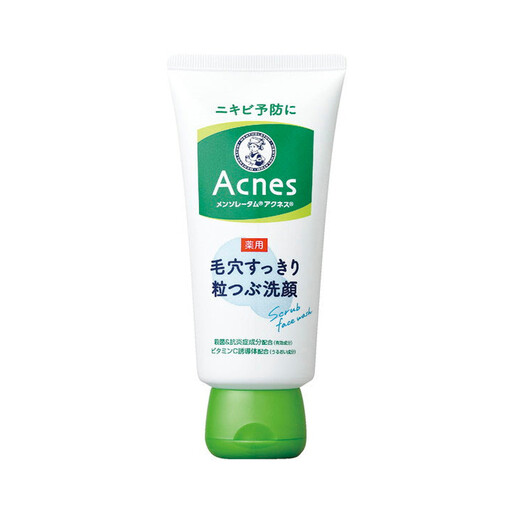
Why this product suits this profile: This 130g cleanser combines a foaming formula with cellulose and corn starch. According to the product details, it’s designed for areas with excess oil and visible pores.
The instructions recommend gentle massage and warn against using the product on irritated or broken skin. This clearly discourages applying too much pressure.
130g of product, a foaming texture and clear instructions on use, storage and avoiding the eye area.
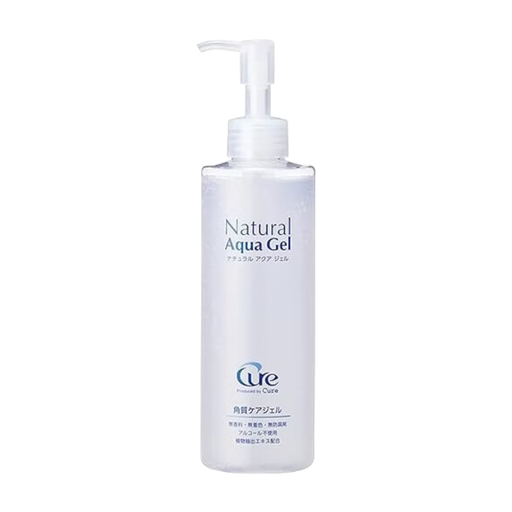
Why this product suits this profile: According to the product description, apply the gel to dry skin without vigorous rubbing. It contains no added fragrance, colourants, parabens or alcohol.
Using it without vigorous scrubbing challenges the misconception that a strong scrubbing sensation is needed for effective exfoliation.
250g of product and a gel formula that, according to the product information, exfoliates without abrasive particles.
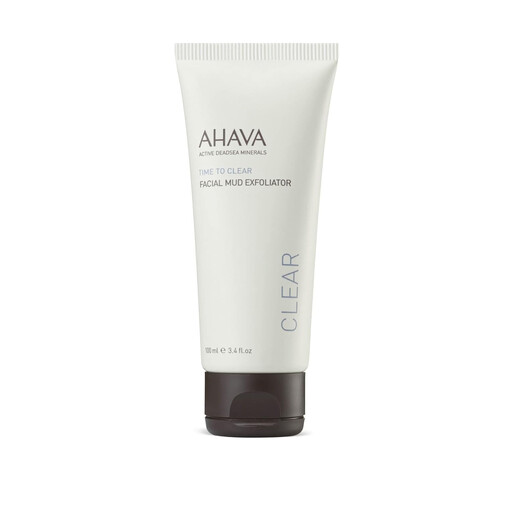
Why this product suits this profile: According to the product details, this Dead Sea mud exfoliator combines mud with jojoba granules and is intended for use once or twice a week.
The recommended limited frequency helps prevent a mechanical exfoliator from being used as a daily cleanser.
100 ml of product, Dead Sea mud and a specific recommendation to patch test before use.
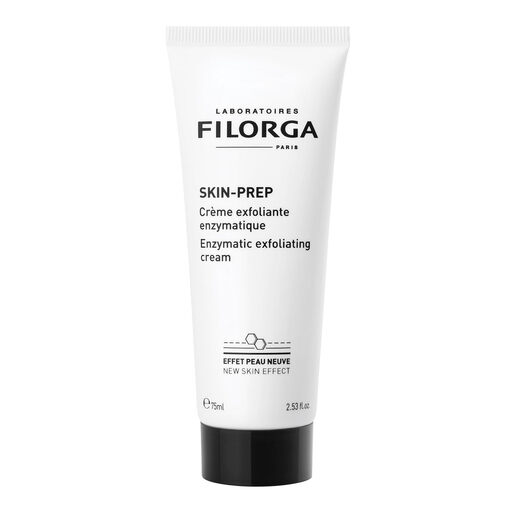
Why this product suits this profile: According to the product details, this cream contains papain and pumice particles, and is used once or twice a week. It’s suitable for various skin types, including oily skin.
The stated application time and combination of enzymes with fine abrasive particles make it clear that use shouldn’t involve vigorous rubbing.
Papain as an enzymatic ingredient, pumice as a mechanical exfoliant and a clearly limited recommended frequency of use.
We’ve put together a complete, regularly updated list of products that meet these strict selection criteria and fully comply with the safety regulations in force in the EU.
Don’t exfoliate if you have active, painful blemishes, broken skin, sunburn or persistent irritation. If you have recurring skin concerns, it’s worth seeking advice from a dermatologist.
It depends on the product type and how well your skin tolerates it. Many mechanical or enzymatic products are intended for use once or twice a week. Only use one daily if the instructions specifically recommend it and your skin tolerates it without irritation.
An exfoliator can loosen dead skin cells and impurities from the skin’s surface. However, it won’t permanently remove every cause of blackheads or replace dermatological treatment. If you have blemish-prone skin, gentle pressure, sensible intervals between uses and checking the ingredients matter more than an especially strong scrub.
Choose a gentle face exfoliator with clear instructions, check for fragrances and active ingredients, and start with a patch test. If you experience stinging, redness, itching or persistent irritation, rinse the product off and stop using it.