
Lieferung heute & morgen

Qualitätsgarantie

Willkommens-Angebote freischalten: KOSTENLOSE Lieferung | Bis zu 80 % RABATT | Kostenlose 30-Tage-JoyPlus-Testphase
App herunterladen
A face exfoliator can help remove dead skin cells and leave the skin’s surface feeling smoother. However, too high an acid concentration, over-frequent use or an unsuitable texture can quickly lead to redness, tightness and unnecessary expense. So your choice shouldn’t be based solely on marketing claims like “glow” or “pore refinement”, but on the active ingredient, concentration, application method and skin tolerance.
A chemical face peel can contain AHA, BHA or PHA. However, the percentage listed doesn’t describe the intensity alone. The pH level, the type of acid, the contact time and the rest of the formulation all affect how it works. A product with 30% acid isn’t automatically a better choice for a beginner than a lower-strength one.
With a peeling gel for the face, components of the gel texture can bind together into small balls as you massage it in. This gommage effect doesn’t mean that only dead skin cells have been removed. What really matters are the ingredients list, the instructions for use and how your own skin reacts.
Even a product described as a gentle face exfoliator can be unsuitable for sensitive, irritated or damaged skin. Fragrances, essential oils, alcohol or several acids in one formula are important points to check. Before first use, it’s advisable to do a patch test on a small area of skin.
Check whether the product is rinsed off or left on the skin. An exfoliating serum, for example, might be intended for use several times a week as a leave-on product, whereas an exfoliating face mask is only left on for a few minutes. Don’t increase the frequency recommended by the manufacturer on your own.
Also pay attention to instructions such as “do not apply to broken or irritated skin”, keeping it away from the eye area, and the recommended aftercare. AHA can increase light sensitivity, so using sun protection during the day is especially important.
Look out for:
If you experience persistent redness, burning, swelling or a rash, wash the product off and stop using it. If you have a skin condition or severe discomfort, seek medical advice. Cosmetic exfoliators are not a substitute for medical treatment.
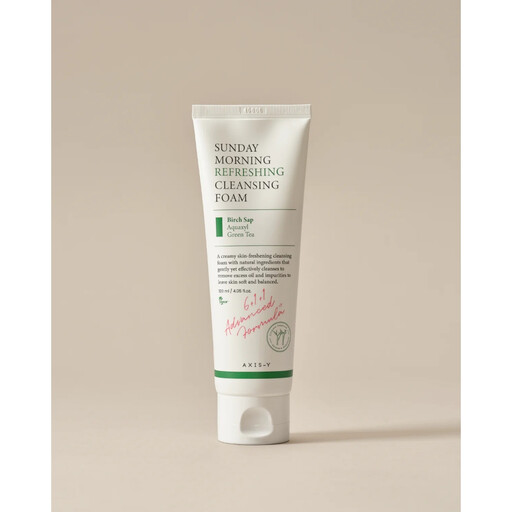
Why this product fits the profile: This gel-water peel contains 10% gluconolactone according to the product information and is designed for controlled use at home. The texture is rinsed off after the contact time.
The stated PHA concentration and clear contact time help you decide based on more than just vague glow promises.
PHA as the single main active ingredient; complemented by glycerin and plant extracts such as cucumber and centella.
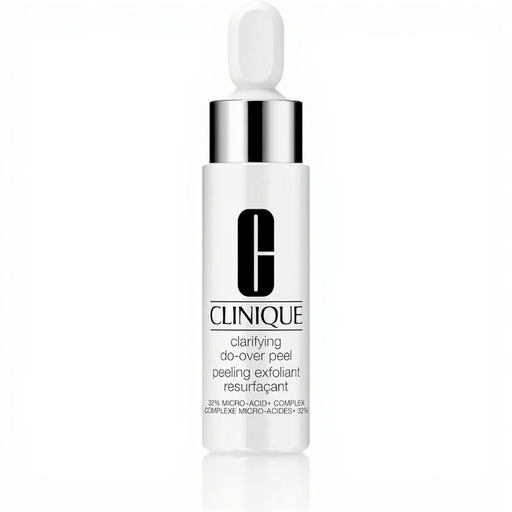
Why this product fits the profile: This leave-on peel combines glycolic, lactic and salicylic acid according to the product information. It is intended for use two to three times a week.
The prescribed frequency and the instruction to skip an additional lotion on those evenings reduce unnecessary combinations of active ingredients.
Leave-on format; contains AHA and BHA in a combined formulation.
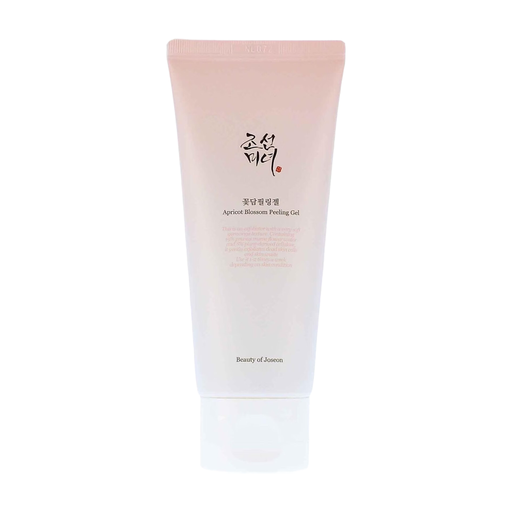
Why this product fits the profile: This rinse-off gel is indicated for use on both face and body and is removed with lukewarm water after around 20 seconds of massage.
The short, clearly described application prevents prolonged contact and makes the format easy to plan into a regular skincare routine.
100ml tube; contains 8% plant-based cellulose and 19% apricot blossom water according to the product information.
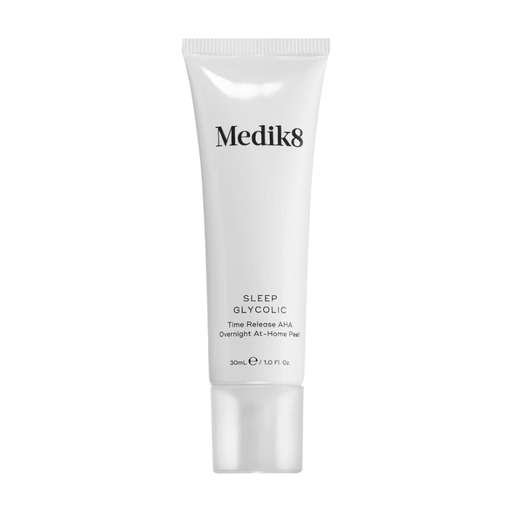
Why this product fits the profile: This overnight peel is applied after cleansing according to the product information, is not rinsed off and is used twice a week.
The limited frequency of use and the pea-sized dosage recommendation help prevent overuse in your daily routine.
Glycolic acid; the product information mentions a gradual release and no-rinse application.
We’ve put together a full, regularly updated list of products that fully meet these strict selection criteria and the safety regulations in force in the EU.
Don’t use several acid products at the same time, such as an AHA serum, BHA toner and an exfoliating mask all on the same evening. This way, you can better determine which product your skin actually tolerates.
That depends on the active ingredient, concentration and skin type. Many rinse-off exfoliators are intended for use once or twice a week. Leave-on products may have different guidelines. Sensitive skin should start with longer intervals. If you experience burning or persistent redness, take a break from using it.
BHA is often chosen for oily and blemish-prone skin because salicylic acid is oil-soluble. However, this doesn’t guarantee it will work against spots or blackheads. Concentration, tolerance and the rest of your skincare routine remain key factors.
A PHA exfoliator with gluconolactone is often considered a gentler acid option. However, even a PHA product isn’t automatically suitable for every sensitive skin type. A low frequency of use, a patch test and avoiding damaged skin are all sensible steps. If skin reactions keep recurring, the cause should be investigated by a dermatologist.