
Lieferung heute & morgen

Qualitätsgarantie

Willkommens-Angebote freischalten: KOSTENLOSE Lieferung | Bis zu 80 % RABATT | Kostenlose 30-Tage-JoyPlus-Testphase
App herunterladen
A face exfoliator can loosen dead skin cells and leave the complexion looking smoother. However, the choice can be confusing: peeling gels, peeling masks, peeling serums, and AHA, BHA and PHA products differ considerably in terms of their active ingredients, application time and how they are used.
Anyone who focuses only on terms such as “glow”, “refined pores” or “gentle” may overlook important details. Three common buying misconceptions occur particularly often:
A mechanical face exfoliator works with particles or a gommage effect. According to the product description, a peeling gel such as Beauty Of Joseon Apricot Blossom Peeling Gel uses plant-based cellulose, among other ingredients. It is gently massaged into dry skin for around 20 seconds and then rinsed off.
A chemical exfoliator uses acids or related active ingredients:
A product may combine several acids. For this reason, you should check not only the name on the front, but also the INCI list on the packaging.
The concentration alone says little about the actual intensity. The pH value, contact time and combination with other acids also play a role.
Examples from the selection:
So, if you are looking for an exfoliator to remove dead skin cells, always pay attention to the specified application time and maximum weekly frequency. Applying it more often does not reliably speed up your skincare routine and may place greater stress on the skin.
For exfoliation for sensitive skin, lower intensities, PHA or a briefly applied peeling gel may often be suitable options. Even so, individual tolerance cannot be guaranteed. Do not apply an exfoliator to irritated, damaged or sun-exposed skin.
After using an AHA, BHA or PHA product, simple skincare without several additional potentially irritating active ingredients is recommended. With acid-based products, suitable sun protection during the day is also advisable, as the skin may react more sensitively to sunlight. A patch test on a small area of skin can provide an indication of tolerance before the first full-face application.
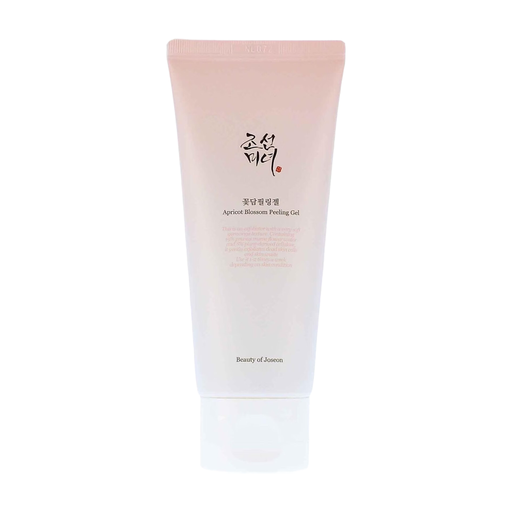
Why this product suits the profile: This rinse-off peeling gel offers a straightforward application without an acid concentration stated on the label, making it a suitable introduction to regular exfoliation.
The product information specifies a massage time of around 20 seconds, helping to avoid prolonged rubbing.
100 ml contents, plant-based cellulose and 19% Prunus-Mume flower water according to the product description; intended for use on the face and body.
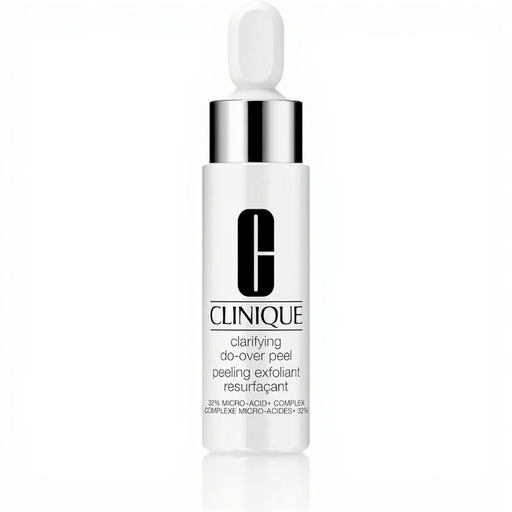
Why this product suits the profile: The leave-on format is aimed at users who prefer a clearly defined serum with several acids and a set weekly routine.
The instructions specify two to three evenings per week and advise against using an additional Clarifying Lotion on the same evenings.
32% Micro-Acid+ Complex according to the product information; glycolic, lactic and salicylic acids are listed in the INCI list.
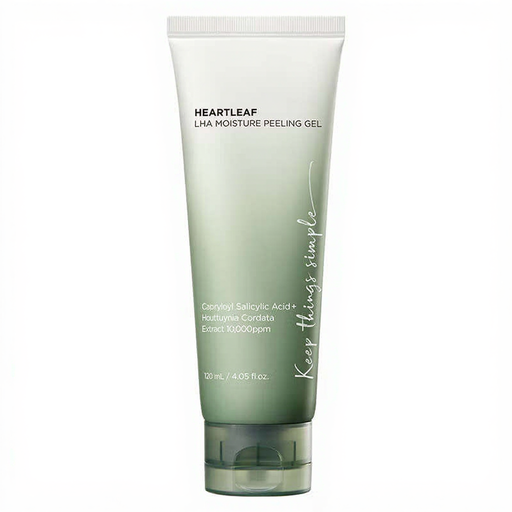
Why this product suits the profile: This product combines a peeling gel with LHA and cellulose, making it appealing to people who prefer a rinse-off treatment for rough or congested-looking skin.
The recommended frequency of once or twice a week limits overuse; the eye and mouth areas should be avoided.
120 ml contents, LHA, cellulose, glycerine and sodium hyaluronate according to the INCI list; massage into dry skin for around one minute.
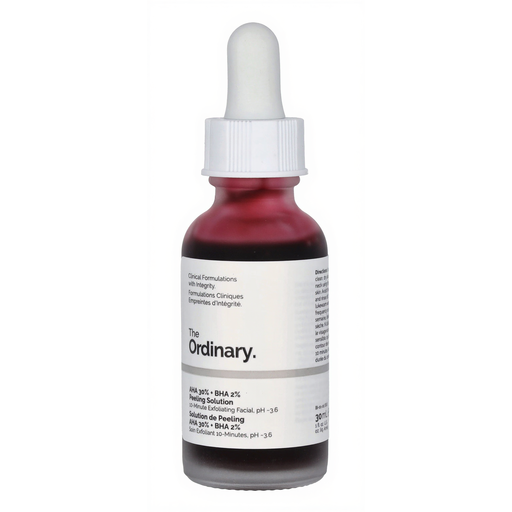
Why this product suits the profile: The stated combination of AHA and BHA appeals to users who are already familiar with acid products and want to plan a short mask treatment with care.
The instructions limit the application time to no more than ten minutes and recommend a maximum of two applications per week.
30% AHA and 2% BHA according to the product name; intended as a rinse-off treatment on dry skin.
We have put together a complete, regularly updated list of products that fully meet these strict selection criteria and the safety regulations applicable in the EU.
If you experience severe burning, persistent redness, swelling or a rash, rinse off the product and stop using it. If symptoms persist, seek medical advice.
This depends on the type of product and your skin’s tolerance. Many peeling gels and peeling masks are intended for use once or twice a week. Acid-based leave-on products may also have a limited recommended frequency. The specific instructions on the packaging should always be followed.
The two groups of active ingredients have different properties. BHA is often chosen for oily or blemish-prone skin, while AHA is more focused on the skin’s surface texture. A general recommendation is not appropriate because skin types vary.
The best-before date and the open-jar symbol on the packaging are the key points of reference. Products should be stored in a dry, cool place away from direct sunlight. A change in colour, an unusual smell or a noticeably altered consistency are all reasons to stop using the product.